Agave v-r ‘Porcupine’ (72)ct Flat
Original price was: $388.93.$296.49Current price is: $296.49.
Description
Product Description
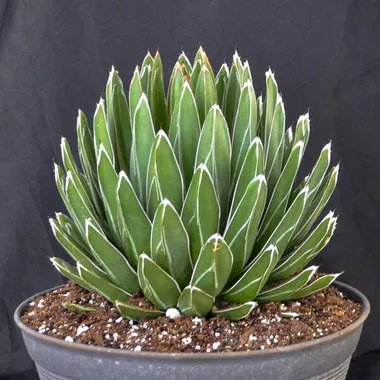
Agave victoriae-reginae ‘Porcupine’ (72)ct Flat
Common Name: Queen Victoria AgaveQueen Victoria Agave is known for its white lined, beautifully shaped leaves that form a spherical habit. ‘Porcupine’ was selected from the species for its compact habit. Although relatively hardy for Agave, good winter drainage is required. This species of Agave is slow growing. From Yucca Do Nursery.
The common name “Century Plant” is alluding to the belief that it takes 100 years to bloom. In reality, Agaves bloom after 15-20 years, and the main crown dies after blooming.
Height: 8.0-10.0 InchesSpread: 12.0-14.0 InchesHardiness Zones: 7B,8,9,10Foliage Color: Green shadesFull Sun (> 6 hrs. Direct Sun)Low Water NeedsPoor to Average Soil QualityDeer and Rabbit ResistantGrowth Rate: Slow
Container, Drought Tolerant Attractive Foliage, Specimen, Native to North America
Agave victoriae-reginae ‘Porcupine’ is a captivating succulent that adds a touch of geometric beauty and intrigue to gardens with its distinctive shape and markings. Here is what makes it special:
What Makes Agave victoriae-reginae ‘Porcupine’ Special
- Symmetrical Rosette: It forms a remarkably symmetrical rosette of dark green leaves with striking white markings. The leaves are stiff and upright, creating a dense, compact sphere.
- Unique Markings: The white markings on the leaves are what give ‘Porcupine’ its name, as they resemble the quills of a porcupine. These markings add a unique visual interest and make this agave stand out from other varieties.
- Compact Size: Compared to the species, ‘Porcupine’ is more compact, growing up to 12-18 inches in diameter. This makes it a great choice for smaller gardens, rock gardens, or containers.
- Slow-Growing: It is a slow-growing agave, which means it will maintain its compact shape for many years. This makes it a good choice for gardeners who want a low-maintenance plant that does not require frequent repotting or dividing.
- Cold Hardy: It is relatively cold-hardy for an agave, tolerating temperatures down to 20°F (-7°C). This makes it a good choice for gardeners in colder regions who want to enjoy the beauty of agaves.
Description and Details
- Common Name: Porcupine Agave, Queen Victoria Agave
- Botanical Name: Agave victoriae-reginae ‘Porcupine’
- Mature Size: 12-18 inches in diameter
- Foliage: Dark green leaves with white markings, stiff and upright
- Flowers: Yellowish-green flowers on a tall stalk (infrequent bloomer)
- Growth Habit: Solitary rosette (does not form offsets)
- Hardiness Zones: 7-10
- Light: Full sun to light shade
- Soil: Well-drained, sandy or rocky soil
- Water: Drought-tolerant once established
Landscaping Design Tips
- Specimen Plant: Its striking form and markings make it an excellent specimen plant, where it can be the focal point of a garden bed or landscape.
- Xeriscaping: It is a perfect choice for xeriscaping or drought-tolerant gardens, where it can thrive with minimal water.
- Rock Gardens: It is also a good choice for rock gardens, where their architectural form and texture can complement the rocks and other succulents.
- Containers: It is well-suited for containers, adding a bold statement to patios and balconies.
- Companion Plants: Consider pairing them with other drought-tolerant plants that offer contrasting colors and textures, such as:
- Yuccas
- Sedums
- Grasses
- Salvias
Planting and Care
- Planting:
- Choose a sunny location with well-drained soil.
- Plant in spring or fall.
- Dig a hole twice as wide as the root ball and just as deep.
- Place the plant in the hole and backfill with soil, making sure the crown is level with the surrounding ground.
- Water thoroughly after planting.
- Care:
- Water deeply but infrequently, allowing the soil to dry out completely between waterings.
- Avoid overwatering, as this can lead to root rot.
- No fertilization is needed.
- Remove any dead or damaged leaves.
- Protect from frost in colder climates.
Additional Notes
- ‘Porcupine’ is a slow-growing agave, but it is well worth the wait for its mature beauty.
- It is a monocarpic plant, meaning it will flower only once in its lifetime, usually after 10-20 years. After flowering, the main rosette will die, but it may produce offsets (pups) before doing so.
- The leaves have sharp spines, so it is best to plant them away from high-traffic areas and walkways.
- It is a great choice for gardeners looking for a low-maintenance, drought-tolerant plant that adds a unique and sculptural element to the landscape.
Seventy-two (72) plants per flat (or tray). Approximate Plug Measurements: 2½” deep x 1 2/3″ inches wide.
Click here for more ordering and shipping information
Related products
-
Miracle-Gro Water Soluble All Purpose Plant Food 1LB
Original price was: $7.19.$3.96Current price is: $3.96. -
PowWow Wildberry Coneflower
Original price was: $12.00.$6.29Current price is: $6.29. -
DicentraBleeding Heart”Gold Heart”
Original price was: $14.80.$11.05Current price is: $11.05. -
New Jersey Tea
Original price was: $12.00.$8.45Current price is: $8.45. -
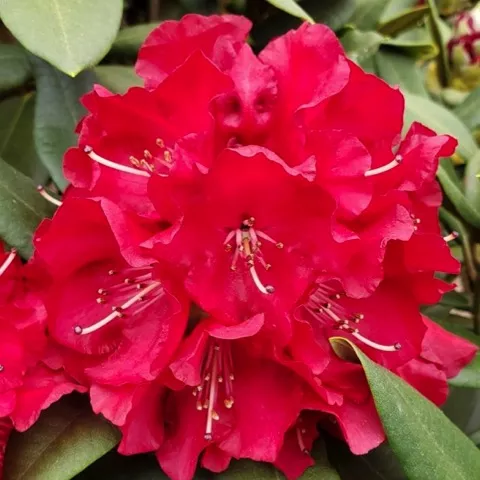
Skookum Rhododendron
Original price was: $80.00.$51.48Current price is: $51.48. -
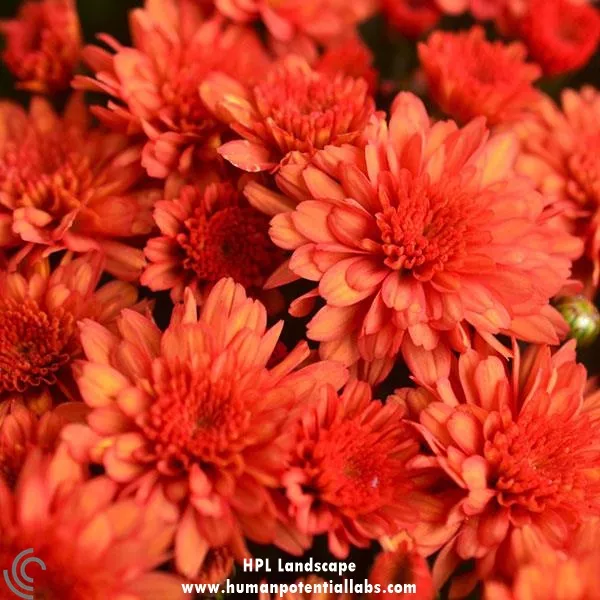
ChrysanthemumMums “Mumosa”
Original price was: $12.00.$6.69Current price is: $6.69. -
Miracle-Gro Water Soluble Rose Food 1.5lb
Original price was: $7.99.$5.01Current price is: $5.01. -
Miracle-Gro Water Soluble Bloom Booster Flower Food 4LB
Original price was: $14.39.$8.13Current price is: $8.13.