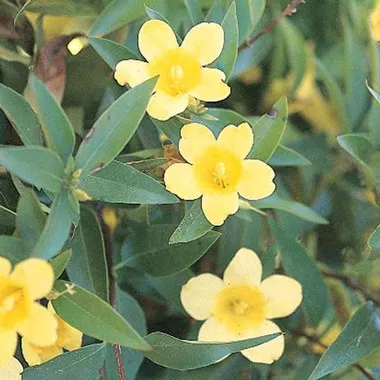
Gelsemium sempervirens (3.5 inch pot)
Original price was: $4.48.$2.72Current price is: $2.72.
Description
Product Description
Gelsemium sempervirens (3.5-inch pot)Common Name: Carolina Jessamine
- Height: 36 Inches, climbing height 20′
- Hardiness Zone: 7-9
- Sun to Part Shade
- Evergreen – Native in the Southeast
- Fragrant, Yellow Flowers in Spring
- Good choice for covering trellises, arbors and fences
- Drought Tolerant once established
- Adapts to most soil conditions
- Erosion control
- State flower of South Carolina
Gelsemium sempervirens, also known as Carolina jessamine or yellow jasmine, is a climbing vine native to the southeastern United States. It is a popular ornamental plant for its fragrant flowers, which bloom in the spring.
Gelsemium sempervirens is a perennial plant that can grow to a height of 10-20 feet. The stems are slender and twining, and the leaves are lanceolate and dark green. The flowers are yellow and trumpet-shaped, and they are borne in clusters of 2-5 flowers. Carolina jessamine has yellow, fragrant, tubular blooms, 1.5″ long. Blooms late Winter/early Spring. Blooms best in Full Sun. May bloom again in the Fall but less profusely. Green leaves are elongated, 1″ to 4″.
Gelsemium sempervirens is a relatively easy plant to care for. It prefers full sun to partial shade and well-drained soil. It is drought-tolerant once established, but it should be watered regularly during the first year after planting. Gelsemium sempervirens is not particularly susceptible to pests or diseases.
Gelsemium sempervirens is a beautiful and fragrant plant that is a great addition to any garden. It can be grown as a climber on a trellis or fence, or it can be allowed to trail over a wall or rock. Gelsemium sempervirens is also a popular choice for bonsai.
- Water regularly, especially during the first year after planting.
- Fertilize lightly in spring or fall.
- Prune in late winter or early spring to shape the plant and encourage new growth.
- Prefers moderately moist, well-drained soil.
- Tolerates most soil conditions and is drought tolerant once established.
- It is a twining vine climbing up to 20′.
- Sprawling unsupported it can be used as a bushy ground cover for slopes or banks for erosion control.
- Cut back after blooming to maintain a neat coverage.
Gelsemium sempervirens, commonly known as Carolina Jessamine or Yellow Jessamine, is a beautiful and fragrant flowering vine native to the southeastern United States. Here is a breakdown of its key features:
Gelsemium sempervirens (Carolina Jessamine)
- Type: Evergreen vine (can also be grown as a shrub with pruning)
- Hardiness Zones: 7-10 (some sources say 6-10)
- Growth Habit: Twining vine, can climb up to 20 feet or more
- Flowers: Trumpet-shaped, bright yellow, fragrant (especially at night)
- Bloom Time: Spring (typically late winter to early spring)
- Foliage: Glossy, dark green, lance-shaped leaves
- Light: Full sun to partial shade
- Soil: Well-drained, adaptable to various soil types
- Water: Drought-tolerant once established, but prefers consistent moisture during the first year
- Uses: Trellises, fences, arbors, groundcover (with careful pruning), container plant
Why Carolina Jessamine is a Great Choice
- Beautiful Flowers: The bright yellow, fragrant flowers are a welcome sight in early spring.
- Evergreen Foliage: Provides year-round interest and greenery.
- Attracts Pollinators: The flowers attract bees, butterflies, and hummingbirds.
- Relatively Low Maintenance: Once established, it is fairly easy to care for.
How to Grow Carolina Jessamine
- Planting: Plant in spring or fall. Choose a location with well-drained soil and full sun to partial shade.
- Support: Provide a support structure such as a trellis, fence, or arbor for the vine to climb on.
- Watering: Water regularly during the first year to establish the root system. Once established, it is drought-tolerant, but it appreciates occasional watering during dry spells.
- Fertilizing: Fertilize in early spring with a balanced fertilizer.
- Pruning: Prune after flowering to control growth and shape. You can prune it to maintain a shrub-like form if desired.
- Mulching: Apply a layer of mulch around the base of the plant to retain moisture and suppress weeds.
Potential Problems
- Pests: Aphids, spider mites, and scale insects can be occasional pests.
- Diseases: Root rot can be a problem in poorly drained soil.
- Toxicity: All parts of the Carolina Jessamine plant are poisonous if ingested. It contains toxic alkaloids, including gelsemine. Keep away from children and pets.
Important Note: Carolina Jessamine is a beautiful and fragrant plant, but it is important to remember that it is highly poisonous. Exercise caution when handling it and keep it away from children and pets.
Carolina Jessamine is a wonderful addition to any garden, providing beautiful flowers, evergreen foliage, and attracting pollinators. Just remember to handle it with care due to its toxicity.
Click here for more ordering and shipping information.
Related products
-
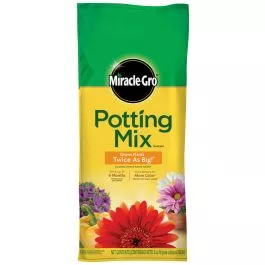
Miracle-Gro Potting Mix 2 Cu Ft
Original price was: $14.39.$10.35Current price is: $10.35. -
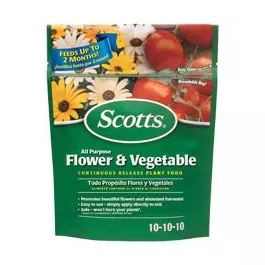
Scotts All Purpose Flower & Vegetable Plant Food 3lb
Original price was: $4.79.$3.45Current price is: $3.45. -
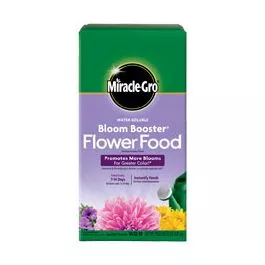
Miracle-Gro Water Soluble Bloom Booster Flower Food 4LB
Original price was: $14.39.$8.13Current price is: $8.13. -
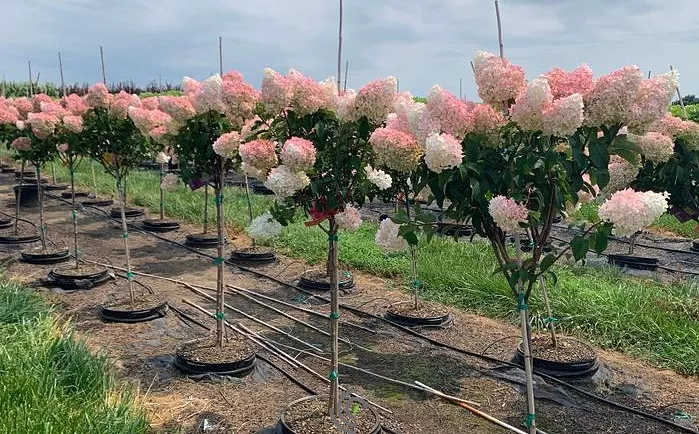
Hydrangea paniculata”Vanilla Strawberry”Tree Form
Original price was: $140.00.$76.96Current price is: $76.96. -
Miracle-Gro Water Soluble Rose Food 1.5lb
Original price was: $7.99.$5.01Current price is: $5.01. -
Miracle-Gro Water Soluble All Purpose Plant Food 4LB
Original price was: $8.00.$5.18Current price is: $5.18. -
Screened Mushroom Compost (Per Yard)
Original price was: $43.99.$24.41Current price is: $24.41. -
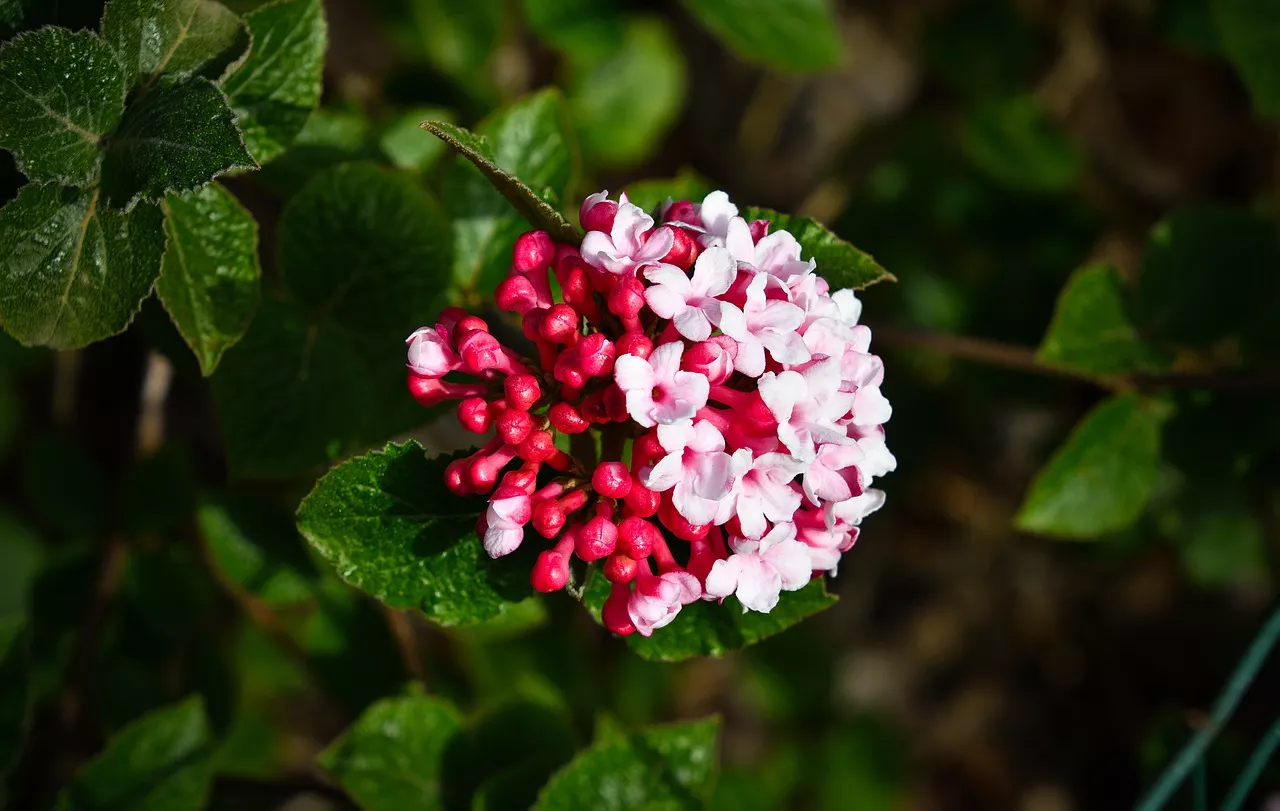
Viburnamcarlesii
Original price was: $36.00.$22.63Current price is: $22.63.