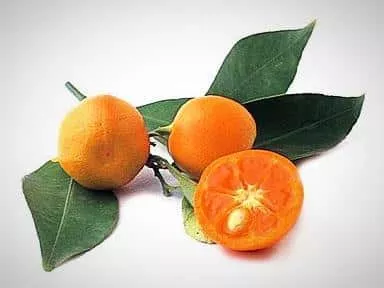
Calamondin
Original price was: $27.99.$21.32Current price is: $21.32.
Description
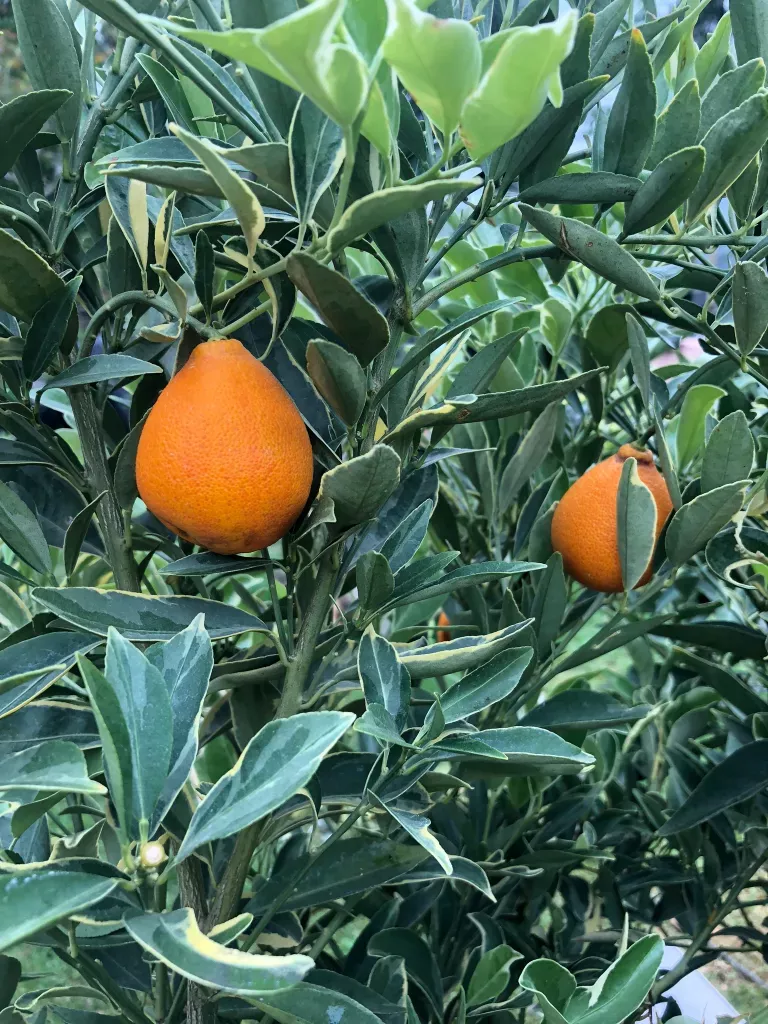
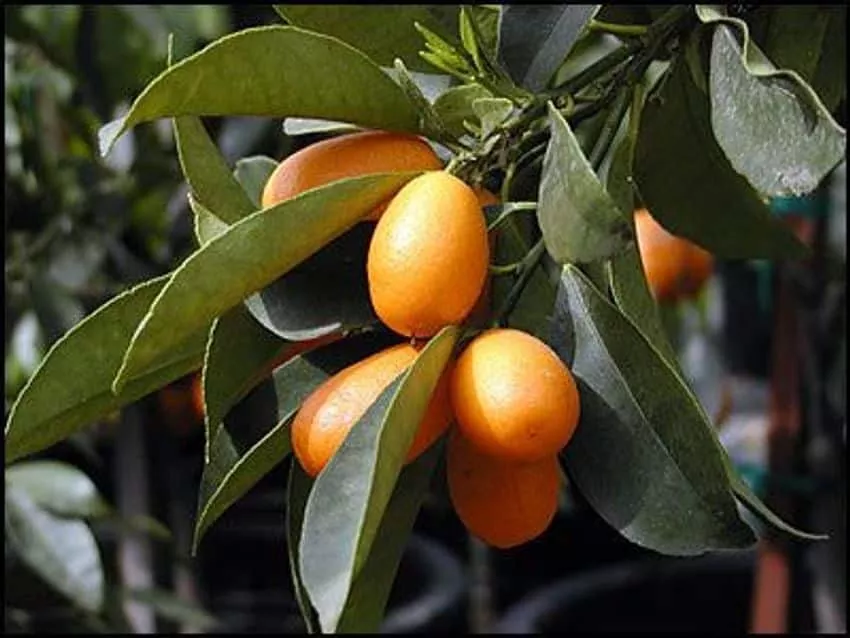
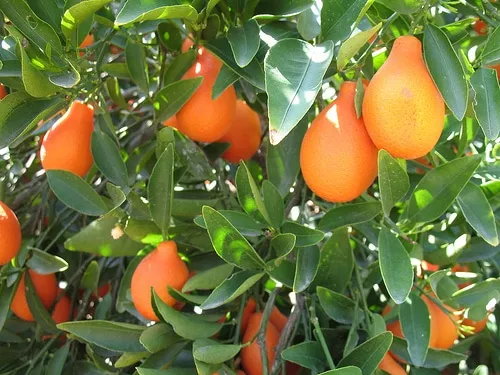
Calamondin is a kitchen citrus first and foremost. Known widely as calamansi—and commonly called t·∫Øc in Vietnamese communities—this small, intensely sour fruit is squeezed, sliced, and used daily in cooking rather than eaten out of hand. It’s the citrus people come back for when they want flavor, not sweetness. Botanically, calamondin is not a true kumquat, though it carries kumquat lineage through hybrid parentage. That heritage explains why it’s often grouped alongside kumquats in conversation, even though its role is very different. The juice is sharp and aromatic, perfect for dipping sauces, marinades, seafood, noodle dishes, and bright, refreshing drinks. It’s also valued as a vitamin C–rich citrus used in traditional home cooking and wellness routines.
Overview
- Sour, juice-focused citrus used primarily for cooking.
- Commonly known as calamansi or tắc.
- Hybrid citrus with kumquat ancestry (not a true kumquat).
- Compact, productive tree suitable for containers.
- Self-fertile.
Growing Details
Latin Name: Citrus √ó microcarpa (Calamondin / Calamansi)Site and Soil: Full sun; well-drained soilRootstock: 1-gallon trees on Flying Dragon; larger sizes on C-35Hardiness: Best suited to USDA Zones 9–11; hardy to around 20°F for brief periods with protection once establishedBearing Age: Often fruits immediately; grafted trees may produce in their first seasonSize at Maturity: •Flying Dragon: Typically 4–6 ft tall and wide•C-35: Typically 8–12 ft tall and wideNote: Trees grown in containers remain smaller and are easily maintained with pruning.Bloom Time: Spring, with repeat flowering possible in warm conditionsRipening Time: Fruit may be present much of the year, with peak harvest in cooler monthsPollination Requirements: Self-fertilePests & Diseases: Similar to other citrus; good airflow and drainage reduce issues
Additional Notes
- Grower’s Insight: In Vietnamese markets, calamondin is commonly called t·∫Øc (or qu·∫•t), while kim qu·∫•t refers to true kumquats—this naming difference explains why many customers ask for “kumquat” when they’re really looking for calamondin.
- Regional Insight: Thrives in warm citrus regions and performs exceptionally well as a container citrus where it can be protected from cold.
- Kitchen Use: Squeeze for sauces and marinades, slice into noodle dishes, add to seafood, or mix into drinks and teas for bright acidity.
- Explore more kumquat and kumquat-adjacent citrus in our collection: Kumquats
Related products
-
Lemon (Improved Meyer’s Lemon)
Original price was: $27.99.$15.13Current price is: $15.13. -
Cara Cara Navel Orange
Original price was: $27.99.$19.78Current price is: $19.78. -
Blood Orange (Bream Tarocco Blood)
Original price was: $127.99.$64.47Current price is: $64.47. -
Mandarin (Owari Satsuma)
Original price was: $27.99.$20.29Current price is: $20.29. -
Kumquat (Centennial Variegated)
Original price was: $27.99.$15.03Current price is: $15.03. -
Kumquat (Nordman Seedless)
Original price was: $27.99.$19.92Current price is: $19.92. -
Orange (Midnight Valencia)
Original price was: $55.99.$43.39Current price is: $43.39. -
Kumquat (Indio Mandarinquat)
Original price was: $35.99.$19.03Current price is: $19.03.