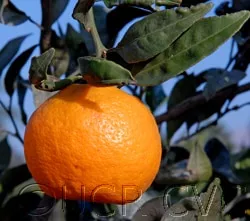
China Satsuma S-6
Original price was: $27.99.$16.87Current price is: $16.87.
Description
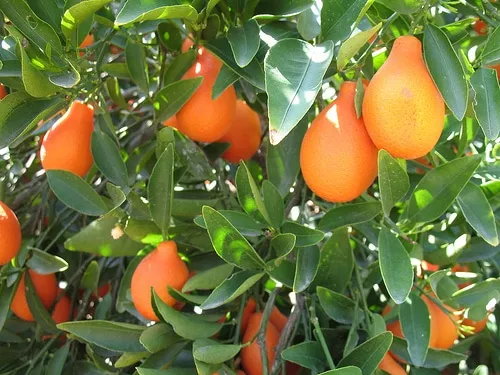
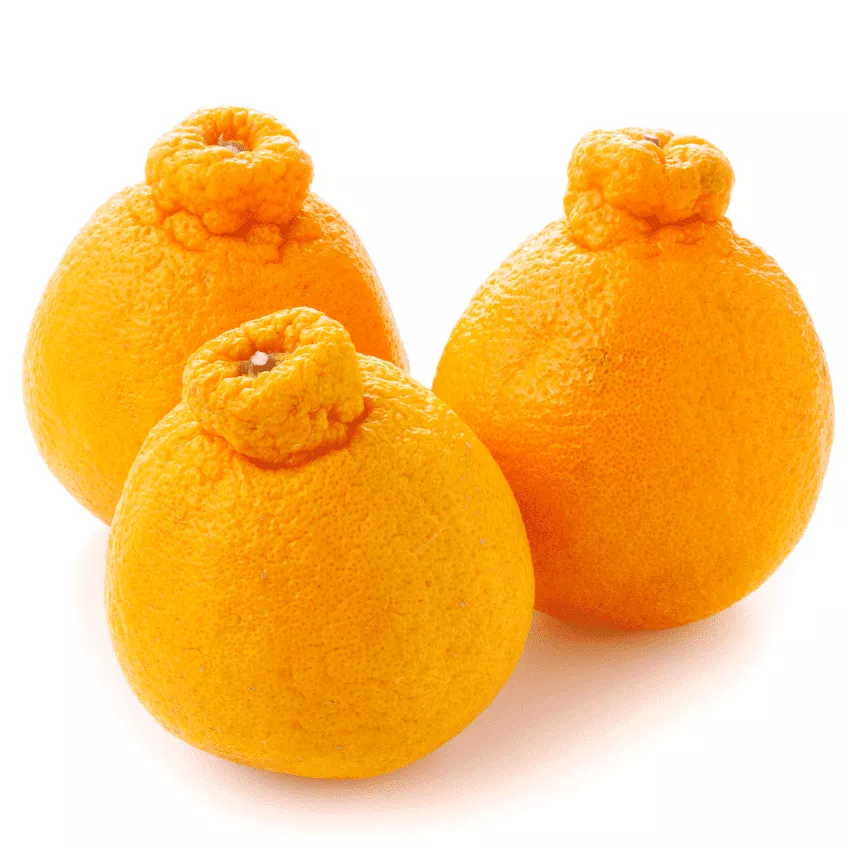
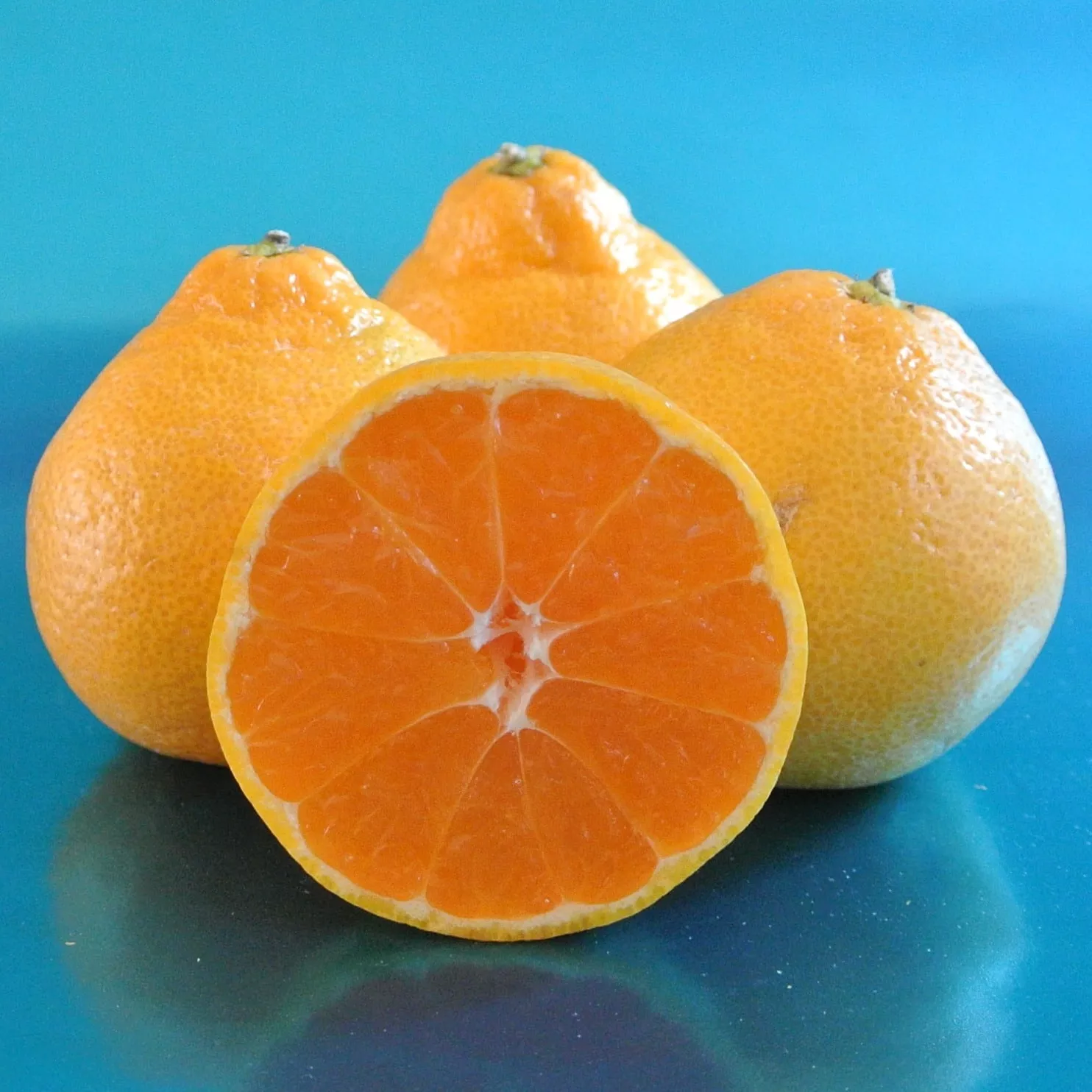
China S-6 is a satsuma mandarin selection valued for both fruit quality and cold resilience. It traces its origin to survivor trees identified after a severe freeze event in China, where only the hardiest individuals persisted—making S-6 a standout among satsumas for growers seeking added margin against cold damage.
The fruit ripens with the classic satsuma profile: tender flesh, balanced sweetness, and easy eating. While satsumas are already among the more cold-tolerant mandarins, China S-6 distinguishes itself through its combination of dependable productivity, clean flavor, and proven selection history.
Overview
- High-quality satsuma mandarin with reliable sweetness.
- Selected from trees that survived a major freeze event in China.
- More cold tolerant than many mandarin varieties.
- Compact growth habit suitable for containers or small gardens.
- Self-fertile.
Growing Details
Latin Name: Citrus unshiu ’China S-6’Site and Soil: Full sun; well-drained soilRootstock: 1-gallon trees on Flying Dragon; larger sizes on C-35Hardiness: Among the more cold-tolerant satsumas; mature, well-hardened trees can tolerate temperatures down to approximately 15°FBearing Age: 2–4 yearsSize at Maturity:• Flying Dragon: Typically 6–8 ft tall and wide• C-35: Typically 10–12 ft tall and wideNote: Trees grown in containers remain smaller and are easily maintained with pruning.Bloom Time: SpringRipening Time: Mid-season for satsumas; typically late fallPollination Requirements: Self-fertilePests & Diseases: Similar to other citrus; benefits from good airflow and drainage
Additional Notes
- Grower’s Insight: China S-6 originates from satsuma trees selected after surviving a major freeze event in China—making it a thoughtful choice for growers prioritizing resilience alongside fruit quality.
- Regional Insight: Well suited to mild-winter regions and container culture in cooler climates where satsumas are grown with seasonal protection.
Related products
-
Kumquat (Indio Mandarinquat)
Original price was: $35.99.$19.03Current price is: $19.03. -
Mandarin (Shiranui)
Original price was: $35.99.$28.27Current price is: $28.27. -
Lemon (Lisbon)
Original price was: $55.99.$33.13Current price is: $33.13. -
Mandarin (Miho Wase Satsuma)
Original price was: $27.99.$15.50Current price is: $15.50. -
Eustis Limequat
Original price was: $27.99.$14.02Current price is: $14.02. -
Lime (Bearss Seedless)
Original price was: $27.99.$19.51Current price is: $19.51. -
Orange (Robertson Navel)
Original price was: $51.99.$30.21Current price is: $30.21. -
Kumquat (Centennial Variegated)
Original price was: $27.99.$15.03Current price is: $15.03.