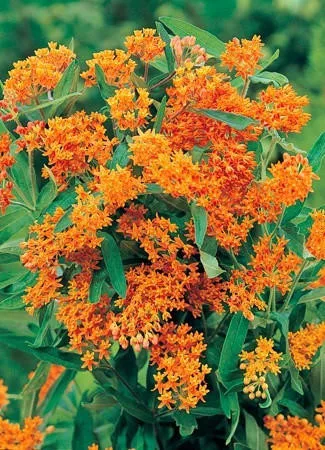
Asclepias tuberosa (30)ct Flat
Original price was: $149.87.$103.24Current price is: $103.24.
Description
Product Description
Asclepias tuberosa (30)ct FlatCommon Name: Butterfly Weed, pleurisy root.
A virtually hassle-free, very long lived perennial, offering three months of tangerine orange blooms (occasionally red or yellow) from early through late summer. Deadheading the flowers will stimulate another bloom cycle about a month after the first one. The flowers, which are heavily laden with nectar and pollen, are particularly attractive to hummingbirds, Monarch butterflies, bees, and other beneficial insects.
Gather bouquets of Asclepias all summer long; the long stems are wonderful for cutting and are long-lasting. Sear the ends of the cut stems over a flame to stop the milky sap from leaking out. Following the fabulous flowers, green fruits develop which rupture to reveal seeds with long, silvery-white, silky hairs reminiscent of its cousin, common milkweed. These are great to use in dried flower arrangements.
Asclepias tuberosa is a prairie plant native to North America from S. Ontario and New York, west to N. Dakota, southwest to Colorado, Arizona, and New Mexico, and south to Florida (zones 3-9). Found naturally in dry fields and on slopes, it does not require rich soil or much moisture. A full day of sun is best along with a slightly acidic, sandy-humus-loam that is well-drained (especially in winter).
Once established, Butterfly Weed is drought-tolerant and requires little care. Though it is perfectly cold-hardy in the north, mulching plants in winter will help prevent frost-heaving. In spring, trim back last year’s growth and await the beautiful new foliage which will appear quite a bit later than other perennials. It’s a good idea to grow this perennial from seed; division, though seldomly needed, is difficult because of the plant’s long tap root.
Perennial Plant Association Plant of the Year — 2017
Height: 24.0 InchesSpread: 24.0 InchesHardiness Zones: 3,4,5,6,7,8,9Flower Color: Gold/Orange ShadesFoliage Color: Green shadesFull Sun (> 6 hrs. Direct Sun)Low to Average Water NeedsPoor to Fertile Soil QualityBloomtime: Early Summer to Late SummerAttracts Butterflies and HummingbirdsBee FriendlyDeer ResistantSeasonal Interest: Dried Seed HeadsGrowth Rate: MediumHerbaceous perennial.
Attributes: Border plants, Cut flower, Dried flower, Drought Tolerant, Mass Planting. Butterfly gardens, meadows, prairies, or naturalized/native plant areas. Also effective in sunny borders. Whether massing plants in large drifts or sprinkling them throughout a prairie or meadow, butterfly weed is one of our showiest native willowers.
Asclepias tuberosa, commonly known as butterfly weed, is a species of milkweed native to eastern North America. This perennial plant is a vital part of the monarch butterfly’s life cycle, serving as a host plant for their larvae. This article explores the visual characteristics of Asclepias tuberosa through images and also examines similar plant species.
Appearance The appearance of Asclepias tuberosa is characterized by its vibrant orange flowers, unique leaves, and a distinct growth habit. The table below summarizes these key features:
- Flowers: Clustered orange or yellow flowers that bloom from June to September. Arranged in flat-topped clusters (umbels) with a unique structure typical of milkweeds.
- Leaves: Primarily alternate, lance-shaped leaves that are 1 1/2 to 2 1/4 inches long with pointed tips and smooth edges.
- Growth Habit: Typically grows in a clump to a height of 1 to 3 feet. The stems are upright to reclining and covered in hairs. Interestingly, unlike many other milkweed species, Asclepias tuberosa does not have milky sap in its stems.
Here are some images of Asclepias tuberosa:
- Butterfly Weed (Asclepias tuberosa) Milkweed Wildflower
- Butterfly Weed Flower Clusters of orange butterfly weed flowers amongst its green leaves.
- Butterfly Weed plants.
- Unusual two-tone flowers.
- Garden-grown Butterfly-weed.
- A roadside stand of Butterfly-weed.
- Monarch caterpillar on Butterfly-weed.
Asclepias tuberosa and Monarch Butterflies Asclepias tuberosa plays a crucial role in the life cycle of monarch butterflies (Danaus plexippus). Monarch butterflies lay their eggs exclusively on milkweed plants, and the larvae (caterpillars) feed solely on milkweed leaves. Asclepias tuberosa, with its vibrant flowers and abundant foliage, provides an ideal habitat and food source for monarch caterpillars. The plant’s widespread distribution across eastern North America makes it an essential component of monarch butterfly conservation efforts.
Growing Asclepias tuberosa Asclepias tuberosa thrives in sunny conditions and is drought tolerant, making it a relatively low-maintenance plant. It prefers dry or moist soil and can adapt to various soil types. This adaptability makes it a versatile choice for gardens and landscapes.
Similar Plants Several other milkweed species share similarities with Asclepias tuberosa in terms of appearance, ecological importance, and role in supporting monarch butterflies. Some notable examples include:
- Common Milkweed (Asclepias syriaca): This tall perennial has large balls of pink or purplish flowers with a distinctive fragrance. It prefers full sun and moist soil.
- Swamp Milkweed (Asclepias incarnata): Also known as pink milkweed, this species features clusters of rose-purple flowers on tall, branching stems. It thrives in moist to wet soil and can tolerate some shade.
- Antelope-horns Milkweed (Asclepias asperula): This clump-forming perennial has pale, greenish-yellow flowers tinged with maroon. It prefers sunny conditions and dry or moist soil.
- Purple Milkweed (Asclepias purpurascens): This species is known for its rich magenta-purple flowers and preference for sunny, dry conditions.
- Showy Milkweed (Asclepias speciosa): This perennial has large, oval, blue-green leaves and spherical clusters of rose-colored flowers. It requires full sun and moist soil.
- Red Butterflies Milkweed (Asclepias curassavica): This tropical milkweed is not native to North America but is often planted in gardens. It has bright red and orange flowers and is a popular choice for attracting butterflies.
Asclepias tuberosa in Gardens and Landscapes Asclepias tuberosa is a popular choice for gardens and natural landscapes due to its aesthetic and ecological benefits. Its vibrant orange flowers provide a striking visual display, and its long blooming period ensures a continuous source of color throughout the summer months. The plant’s drought tolerance makes it suitable for xeriscaping and low-water gardens. Moreover, Asclepias tuberosa attracts a variety of pollinators, including butterflies, bees, and hummingbirds, contributing to the biodiversity and ecological health of the garden.
Asclepias tuberosa, with its vibrant orange flowers and unique characteristics, is a valuable plant in both natural and cultivated environments. It serves as a crucial host plant for monarch butterflies, supporting their life cycle and contributing to their conservation. The plant’s adaptability to various growing conditions and its ability to attract a diverse range of pollinators make it a popular choice for gardens and landscapes. By including Asclepias tuberosa in our gardens, we can not only enhance the beauty of our surroundings but also contribute to the preservation of this essential species and the pollinators it supports.
Thirty (30) plants per flat (or tray). Approximate Plug Measurements: 3 inches deep x 2 inches wide.
Click here for more ordering and shipping information
Related products
-
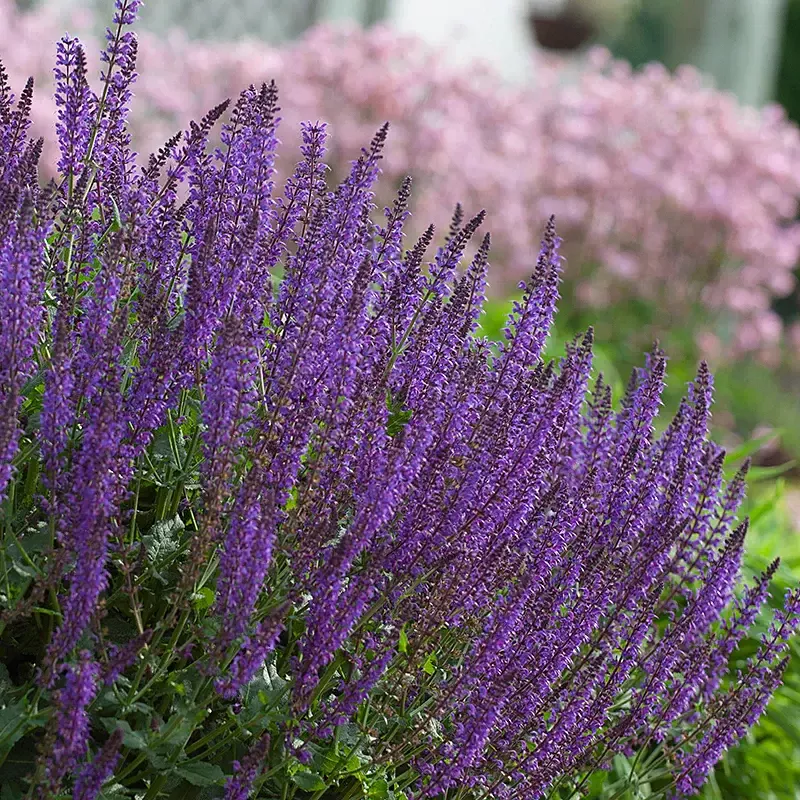
SalviaPerennial Salvia “May Night”
Original price was: $11.60.$8.27Current price is: $8.27. -
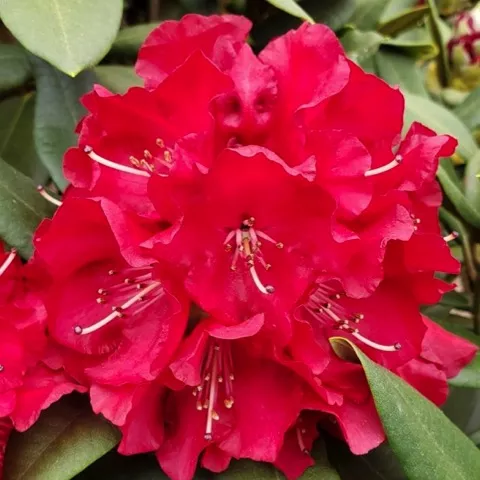
Skookum Rhododendron
Original price was: $80.00.$51.48Current price is: $51.48. -
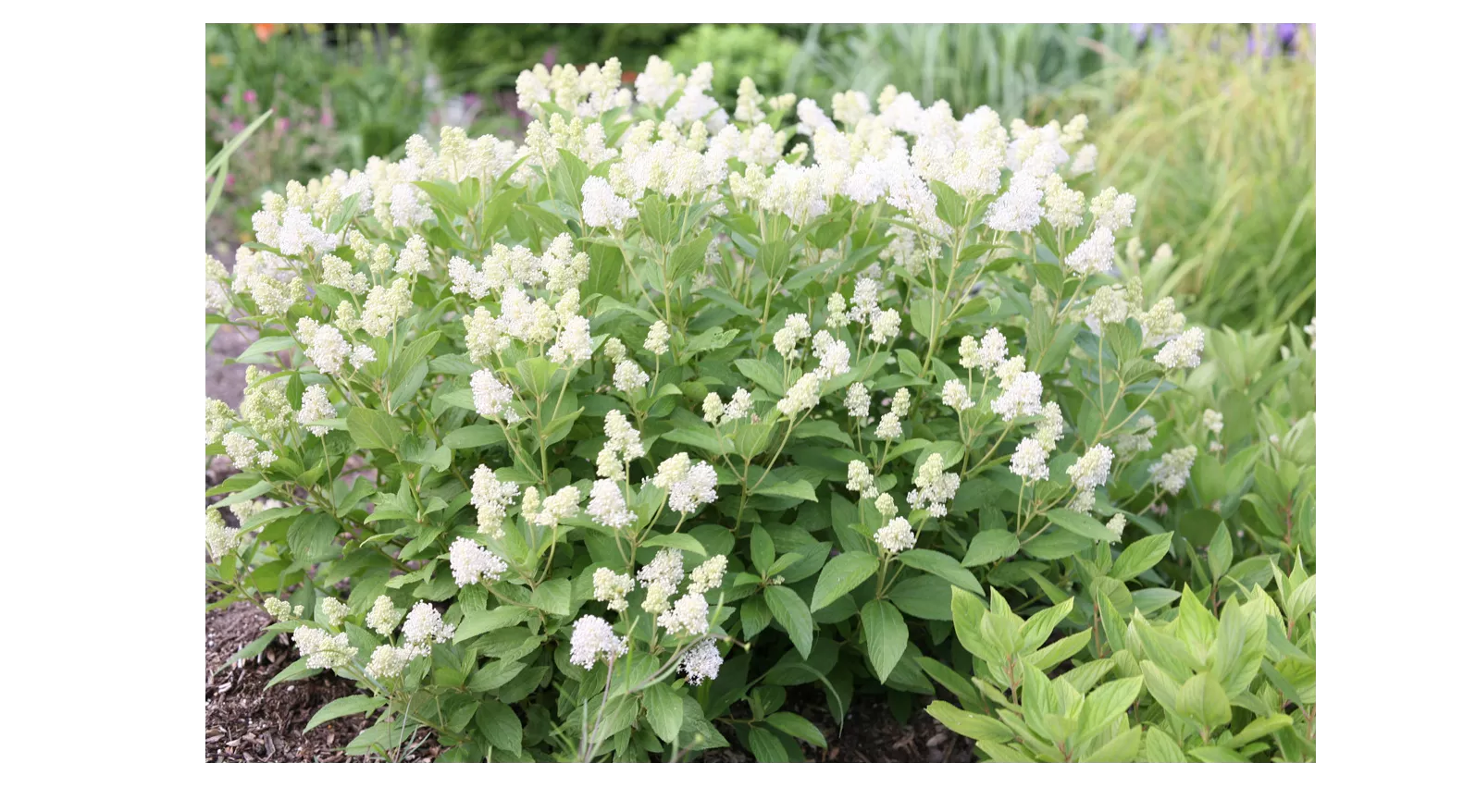
New Jersey Tea
Original price was: $12.00.$8.45Current price is: $8.45. -
Scotts Rose & Bloom Plant Food 3lb
Original price was: $4.79.$2.99Current price is: $2.99. -
Happy Face White Potentilla
Original price was: $44.00.$23.45Current price is: $23.45. -
Miracle-Gro Water Soluble Rose Food 1.5lb
Original price was: $7.99.$5.01Current price is: $5.01. -
Miracle-Gro Shake ‘n Feed Tomato, Fruit & Vegetable Plant Food 4.5lb
Original price was: $15.99.$10.70Current price is: $10.70. -
Eclipse Planter – Clay
Original price was: $8.00.$6.30Current price is: $6.30.