Alcea r. Chater’s Double Hybrids Mixed (10)ct Quarts
Original price was: $77.51.$39.92Current price is: $39.92.
Description
Product Description
Alcea rosea Chater’s Double Hybrids- Mixed Common Name: hollyhocks. Zones 2 to 7. Full sun. Plants reach 4 to 6 feet tall and 18 to 24 inches wide. Growth rate: Rapid.
Alcea rosea ‘Chater’s Double Hybrids Mixed’ is a classic and beloved hollyhock variety that brings a touch of old-fashioned charm and vibrant color to gardens. Here is a breakdown of why it is so popular:
Appearance:
- Double, Ruffled Blooms: ‘Chater’s Double’ hollyhocks are known for their large, fully double flowers with ruffled petals. These blooms are like fluffy pom-poms and come in a delightful mix of colors, including:
- Pink
- Red
- White
- Yellow
- Purple
- And often bi-colored variations
- Tall, Stately Spikes: The flowers are borne on tall, sturdy stalks that can reach 5-7 feet (or even more!) in height. This gives them a dramatic, vertical presence in the garden.
- Classic Hollyhock Shape: The overall form of the plant is classic hollyhock, with large, rounded leaves at the base and the tall flower stalk rising above.
Growing Conditions:
- Full Sun: ‘Chater’s Double’ hollyhocks thrive in full sun, needing at least 6-8 hours of direct sunlight per day.
- Well-Drained Soil: It is crucial to plant them in well-drained soil. Soggy soil can lead to root rot and other problems.
- Adaptable: They can tolerate a variety of soil types, including clay, sandy, and loamy soils, as long as they are well-drained.
Care and Maintenance:
- Support: Due to their height, ‘Chater’s Double’ hollyhocks may need support, especially in windy areas. Staking or using a support structure can help prevent them from flopping over.
- Watering: Water regularly, especially during dry periods. Keep the soil consistently moist but not waterlogged.
- Fertilizing: A light feeding in spring with a balanced fertilizer can be beneficial.
- Deadheading: Removing spent flower stalks can encourage more blooms and prevent self-seeding, which can sometimes lead to hollyhocks reverting to their original colors.
- Rust: Hollyhocks are susceptible to rust, a fungal disease. Good air circulation and avoiding overhead watering can help prevent it.
Uses in the Garden:
- Back of Borders: Their tall stature makes them ideal for the back of borders or against walls and fences.
- Cottage Gardens: They are a classic element of cottage gardens, adding a touch of nostalgia and charm.
- Screening: Planted in a row, they can create a beautiful and colorful screen to hide unsightly areas or provide privacy.
- Vertical Accent: They add a strong vertical element to the garden, drawing the eye upward.
Benefits:
- Eye-Catching Blooms: The large, double flowers in a mix of colors provide a stunning display that lasts for a long time.
- Attracts Pollinators: Hollyhocks attract hummingbirds and butterflies, making them a valuable addition to pollinator gardens.
- Cut Flowers: The flowers make beautiful and long-lasting cut flowers.
Things to Consider:
- Biennial Nature: Hollyhocks are typically biennials, meaning they grow leaves the first year and flower the second year. However, some may bloom the first year if started early enough.
- Self-Seeding: They readily self-seed, so you may get new plants popping up in your garden. This can be a positive or negative, depending on your preference.
Overall, Alcea rosea ‘Chater’s Double Hybrids Mixed’ is a beautiful and classic hollyhock variety that will add a touch of old-fashioned charm and vibrant color to your garden. Its large, double flowers, tall stature, and ability to attract pollinators make it a wonderful addition to any landscape.
Ten (10) plants in quart containers per flat (or tray).
Click here for more ordering and shipping information.
Related products
-
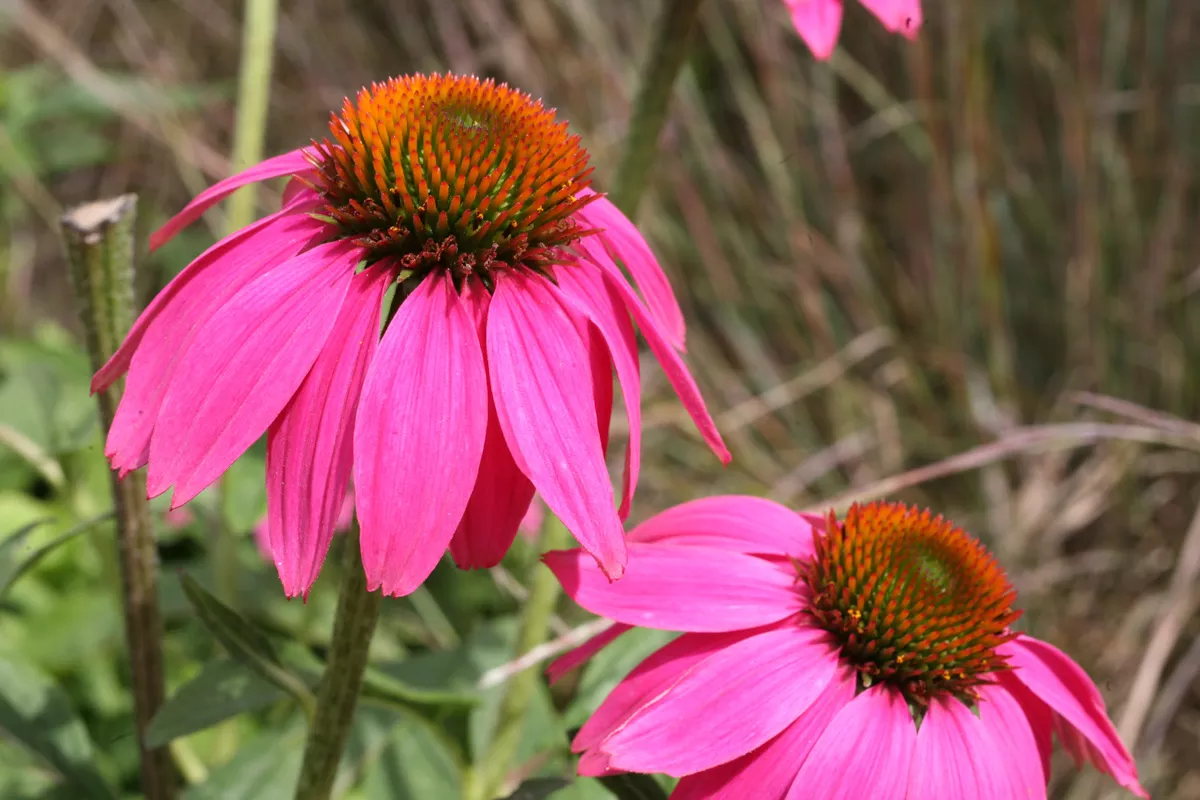
PowWow Wildberry Coneflower
Original price was: $12.00.$6.29Current price is: $6.29. -
Miracle-Gro Water Soluble Bloom Booster Flower Food 4LB
Original price was: $14.39.$8.13Current price is: $8.13. -
Miracle-Gro Water Soluble All Purpose Plant Food 4LB
Original price was: $8.00.$5.18Current price is: $5.18. -
Eclipse Planter – Clay
Original price was: $8.00.$6.30Current price is: $6.30. -
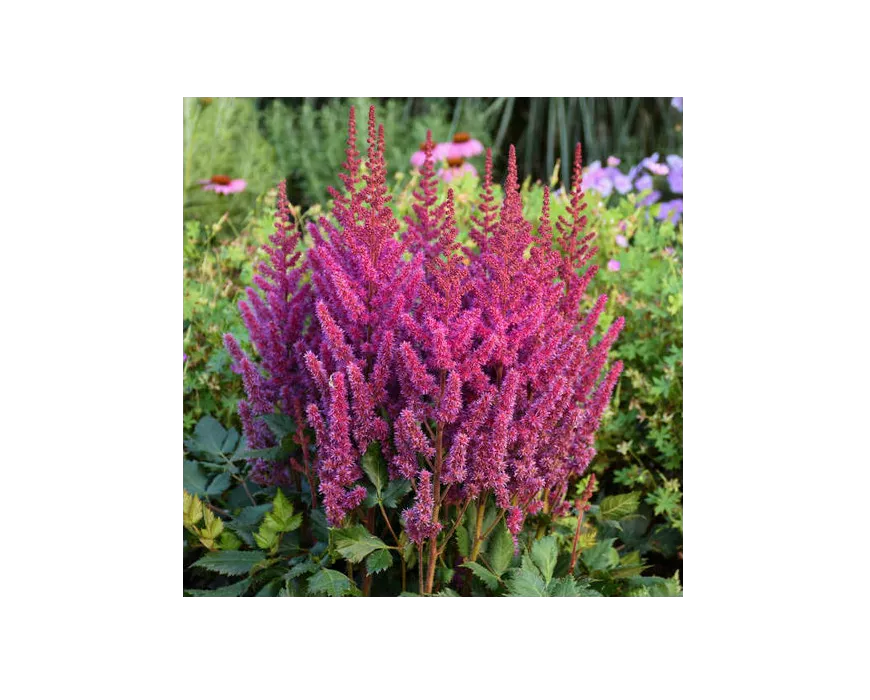
Visions Astilbe
Original price was: $12.00.$7.31Current price is: $7.31. -
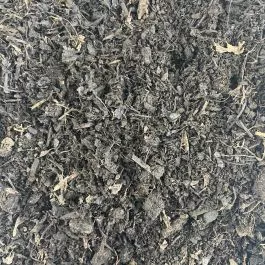
Screened Mushroom Compost (Per Yard)
Original price was: $43.99.$24.41Current price is: $24.41. -
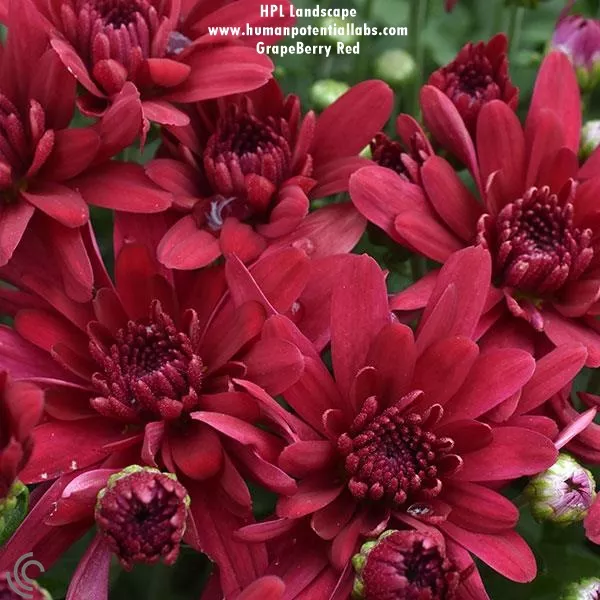
ChrysanthemumsMums “Grapeberry Red”
Original price was: $12.00.$9.03Current price is: $9.03.