Agastache ‘Queen Nectarine’ PP34896 (30)ct Flat
Original price was: $170.33.$135.29Current price is: $135.29.
Description
Product Description
Agastache ‘Queen Nectarine’ PP34896 CPBRAF (30)ct FlatMEANT TO BEE™ CollectionCommon Name: Anise Hyssop, Hummingbird Mint
The buzz has already begun over this new collection of Agastache from Proven Winners® Perennials. Members of the MEANT TO BEE™ Collection were selected for their large, full habits, significant landscape presence, and hardiness. Each variety has reliably overwintered in our Zone 6 West Michigan winters and colder trial sites. Flowers cover the top two thirds of these plants from mid to late summer, with colorful calyxes extending interest well into fall. Pollinators are known to frequent these plants and they are a particular favorite of hummingbirds.
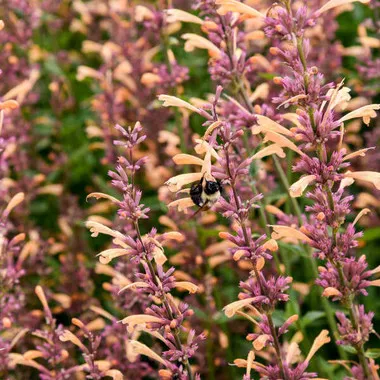
Soft peach flowers are held on the mauve calyxes of ‘Queen Nectarine’. Compared with ‘Royal Raspberry’, this is noticeably taller. Best performance comes in full sun with well drained soils.
Agastache are well-adapted to thrive in dry soils and is right at home in rock gardens and xeric container plantings where it will attract hummingbirds, butterflies, and honeybees. This is one of the easiest perennials to grow.
This is a great plant for hot, dry, sunny climates. Well-drained soil is a must, especially in the winter. This plant will not tolerate heavy clay soil but grows well in average to light soil with low to medium moisture levels. In the sandy soil of our zone 5b trial garden, this variety has overwintered with flying colors for the past two years. Even so, it’s officially listed as a zone 6 perennial so some winter protection might be required in your zone. No serious pest or disease problems have been reported with this plant.
Height: 30-36 InchesSpread: 30-36 InchesHardiness Zones: 5,6,7,8,9Flower Color: Peach shadesFoliage Color: Green shadesFull Sun (> 6 hrs. Direct Sun)Low to Average Water NeedsAverage to Fertile Soil QualityBloomtime: Midsummer – Early Fall, Long BloomingAttracts Butterflies and HummingbirdsBee FriendlyDeer ResistantSeasonal Interest: Dried Seed HeadsGrowth Rate: Medium
Border Plant, Container, Cut Flower, Cut Foliage, Dried Flower, Drought Tolerant, Easy To Grow, Fragrant Flowers, Fragrant Foliage, Mass Planting, Native to North America
Imagine a vibrant burst of peachy blooms that beckons hummingbirds and butterflies to your garden. This is the magic of Agastache ‘Queen Nectarine’, a captivating perennial that lives up to its name. Also known as Anise Hyssop , this plant, with its unique blend of color and fragrance, brings a touch of summer magic to any outdoor space. To compile this guide, we consulted various sources, including nursery websites, gardening blogs, and plant databases.
Agastache ‘Queen Nectarine’, with the botanical name Meant to Bee™ ‘Queen Nectarine’ Agastache hybrid USPP 34,896, Can PBRAF, is a hybrid variety developed by Walters Gardens. It is a member of the Proven Winners® Perennial Collection , specifically the Meant to Bee™ series, which focuses on taller Agastache varieties with abundant flowers that fill the foliage. This plant is admired for its large, full habit, significant landscape presence, and hardiness. It typically reaches a height of 30-36 inches and spreads to about 32-36 inches wide. The foliage has a minty, spicy scent, especially noticeable when touched or crushed. This plant is also both deer and rabbit resistant.
What truly sets this plant apart is its unique flower color. Soft peach flowers are held on mauve calyxes, creating a stunning two-toned effect. The calyxes retain their vibrant color even after the flowers fade, extending the visual interest well into fall. This long-lasting display makes ‘Queen Nectarine’ a standout choice for gardeners seeking continuous color in their landscapes.
Growing Conditions Agastache ‘Queen Nectarine’ thrives in full sun, requiring at least 6 hours of direct sunlight daily. It prefers well-drained soil and is remarkably drought-tolerant once established. This makes it an excellent choice for busy gardeners or those living in drier climates. It is hardy in USDA zones 4a to 9b.
Landscape Uses This versatile plant is well-suited for various garden settings. Some of its potential landscape uses include:
- Borders: Its vibrant peach-colored flowers and elegant form add charm and definition to garden borders.
- Containers: Its compact size and striking appearance make it perfect for container gardening, adorning patios, decks, or balconies.
- Mass Plantings: When planted en masse, ‘Queen Nectarine’ creates a breathtaking drift of color, making a stunning visual impact.
- Wildlife Gardens: As it attracts bees, butterflies, and hummingbirds, it is an excellent choice for wildlife-friendly gardens, supporting a healthy garden ecosystem.
- Coastal Gardens: Its tolerance for wind and salt spray makes it a resilient choice for gardens near the coast.
- Erosion Control: Its robust root system helps stabilize the soil, making it effective in preventing erosion on slopes or hilly areas.
- Firescaping: In regions prone to wildfires, this plant can be part of a firescaping strategy due to its herbaceous nature and moderate size.
Care and Maintenance Agastache ‘Queen Nectarine’ is relatively low-maintenance. Here are some essential care tips:
- Watering: Water regularly after planting, but reduce watering once established. It enjoys average to low soil moisture and will not tolerate prolonged wet or soggy conditions.
- Pruning: Pruning is generally not necessary. However, you can deadhead the spent flowers to encourage continuous blooming. You can also cut back the plants in late winter or early spring to tidy them up.
- Fertilizing: This plant typically does not require heavy fertilization. If needed, apply a balanced, slow-release fertilizer in the spring. Over-fertilization can lead to floppy growth.
- Mulching: Apply a layer of mulch around the base of the plant to help retain soil moisture, suppress weeds, and maintain a consistent soil temperature.
- Winter Care: In colder climates (zones 5 and 6), provide a layer of mulch to protect the roots during the winter months.
Uses Agastache ‘Queen Nectarine’ offers a variety of uses, making it a versatile and valuable addition to any garden.
Aesthetic Appeal:
- Ornamental: Its vibrant flowers and attractive foliage make it a stunning addition to any garden, providing a long-lasting display of color.
- Fragrance: The flowers and foliage have a pleasant, minty fragrance that can enhance the sensory experience in your garden.
Ecological Benefits:
- Pollinator Garden: It attracts a wide range of pollinators, including bees, butterflies, and hummingbirds. It is a particular favorite of hummingbirds. By including this plant in your garden, you contribute to biodiversity and support a healthy ecosystem.
Practical Uses:
- Culinary: The leaves can be used to flavor drinks and for drying.
- Cut Flower/Dried Flower: The long-lasting blooms and colorful calyxes make it an excellent choice for fresh or dried flower arrangements.
Pests and Diseases Agastache ‘Queen Nectarine’ is generally resistant to pests and diseases. However, it’s essential to monitor for potential issues:
|
Pest |
Identifying |
Treating |
|
Slugs |
Shiny slime trails left by slugs will be visible during the day |
Place baited traps around the garden to collect and kill adult slugs |
|
Spider Mites |
Fine, silky webs on the undersides of leaves, causing stippling or discoloration |
Pluck off from affected plants and drown in a bucket of water or squish |
|
Aphids |
Can be white, green, or black, and most are host specific |
Knock off plants with a sharp stream of water from a hose or spray bottle |
|
Disease |
Identifying |
Treating |
|
Downy Mildew |
Purple or dark spots on top of the leaf, whitish spores on the underside of leaves |
Remove all infected plant material, avoid overhead watering |
|
Powdery Mildew |
Patches of white or gray fuzzy mold on topsides of leaves |
Remove all infected plant material, increase air circulation between plants |
|
Botrytis |
Watery patches on leaves that develop gray or black mold spores |
Sterilize pruning tools, remove damaged soft tissue, avoid overhead watering |
Agastache ‘Queen Nectarine’ is a truly remarkable plant that offers a unique combination of beauty, fragrance, and functionality. Its vibrant, long-lasting flowers, attractive foliage, and low-maintenance nature make it a desirable addition to any garden. Whether you are looking to create a stunning border, attract pollinators, or simply enjoy its delightful fragrance, ‘Queen Nectarine’ is sure to impress. With its adaptability to various garden settings and its resilience in different climates, this plant is a must-have for both novice and experienced gardeners alike. Consider adding this queen to your garden and experience the magic it brings!
Thirty (30) plants per flat (or tray). Approximate Plug Measurements: 3 inches deep x 2 inches wide.
Click here for more ordering and shipping information
Related products
-
All Seasons Horticultural Spray Oil Concentrate 16oz
Original price was: $9.59.$5.97Current price is: $5.97. -
Eclipse Planter – Clay
Original price was: $8.00.$6.30Current price is: $6.30. -
New Jersey Tea
Original price was: $12.00.$8.45Current price is: $8.45. -
SalviaPerennial Salvia “May Night”
Original price was: $11.60.$8.27Current price is: $8.27. -
Vision in Red Astilbe
Original price was: $12.00.$6.67Current price is: $6.67. -
ChrysanthemumMums “Mumosa”
Original price was: $12.00.$6.69Current price is: $6.69. -
Visions Astilbe
Original price was: $12.00.$7.31Current price is: $7.31. -
Hydrangea paniculata”Vanilla Strawberry”Tree Form
Original price was: $140.00.$76.96Current price is: $76.96.