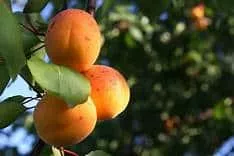
Apricot (Harcot)
Original price was: $31.99.$23.55Current price is: $23.55.
Description
Harcot apricot is widely regarded as one of the most dependable apricots for regions where late spring frosts can make apricot growing difficult. Developed in Canada, Harcot was selected specifically for improved flower bud hardiness and later bloom timing compared to many traditional apricot varieties.
The fruit is medium to large, bright orange with a light blush, and offers a well-balanced sweet-tart flavor that shines fresh, dried, or preserved. Harcot ripens earlier than peaches but slightly later than some traditional apricots, helping it avoid common frost damage while still delivering an early summer harvest.
The tree itself is vigorous yet manageable, producing consistent crops when planted in a well-drained site with good air circulation. For growers who have struggled with apricots in the past, Harcot is often the variety that changes their experience.
Overview
- Cold-hardy apricot with improved frost tolerance.
- Medium-large fruit with classic apricot flavor.
- Reliable production compared to many apricot varieties.
- Excellent for fresh eating, drying, and preserves.
- Self-fertile.
Growing Details
Latin Name: Prunus armeniaca ’Harcot’Site and Soil: 1/2 day to full day of sun; well-drained soil essentialRootstock: Marianna 2624Hardiness: USDA Zones 5–8Bearing Age: 1–3 yearsSize at Maturity: Typically 12–15 ft tall and wide (maintained smaller with pruning)Bloom Time: Early to mid-springRipening Time: Early summerPollination Requirements: Self-fertilePests & Diseases: Standard apricot concerns; good airflow and drainage reduce issues
Additional Notes
- Grower’s Insight: Harcot’s slightly later bloom compared to many apricots makes it far more forgiving in areas with unpredictable spring weather.
- Regional Insight: Harcot performs especially well in the Pacific Northwest, Upper Midwest, and other cool-spring regions where traditional apricots often fail.
- Pick fruit when fully colored but still slightly firm and allow it to finish ripening indoors for best texture and flavor.
- Excellent for fresh eating, drying, and preserves.
- Explore more apricot varieties in our collection: Apricot Trees
Related products
-
Spartan Apple Tree
Original price was: $47.20.$28.18Current price is: $28.18. -
Sansa Apple Tree
Original price was: $20.00.$11.93Current price is: $11.93. -
Triumph™Apple Tree
Original price was: $47.20.$26.63Current price is: $26.63. -
Wolf River Apple Tree
Original price was: $32.80.$19.68Current price is: $19.68. -
Cherry Tree (Rainier)
Original price was: $31.99.$22.88Current price is: $22.88. -
Black Twig Apple Tree
Original price was: $32.80.$25.94Current price is: $25.94. -
Loquat (Christmas)
Original price was: $39.99.$28.67Current price is: $28.67. -
Meteor Cherry Tree
Original price was: $44.00.$33.72Current price is: $33.72.