Aruncus dioicus (30)ct Flat
Original price was: $148.14.$116.55Current price is: $116.55.
Description
Product Description
Aruncus dioicus (30)ct FlatCommon Name: Goat’s Beard
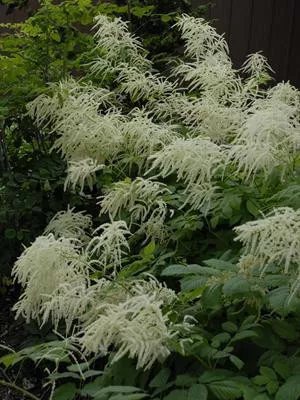
An outstanding specimen plant for the partially shaded garden, with dark green foliage and plume-like spikes of tiny, cream-colored flowers rise well above the foliage in early to mid-summer. Looking much like a very large white Astilbe, Goat’s Beard has similar foliage and feathery, creamy white flower plumes up to 1 foot. long.
Though Aruncus tends to be a slow-grower the first couple of seasons, once it is established it puts on a fabulous show year after year. Make sure it has plenty of room to grow when you first plant it; transplanting this species is a very difficult task. This tall, erect, bushy, clump-forming herbaceous perennial species is native to North America.
Goat’s Beard grows best in moist, humus-rich soils. In northern climates, it can be grown in full sun if provided with adequate moisture. In southern zones, however, it prefers partial or full shade. When grown in deep shade, plants tend to have a more open habit and bloom sparsely. Insects and diseases don’t seem to bother this plant.
Royal Horticultural Society’s Award of Garden Merit 1993.Missouri Botanical Garden Plants of Merit — 2016
Height: 4.0-5.0 FeetSpread: 3.0-4.0 FeetHardiness Zones: 3,4,5,6,7Flower Color: White ShadesFoliage Color: Green shadesFull Sun (> 6 hrs. Direct Sun) to Full Shade (<4 hrs. Direct Sun)Average to Consistent Water NeedsFertile Soil QualityBloomtime: Early Summer to MidsummerBee FriendlyDeer ResistantGrowth Rate: Medium
Border Plant, Cut Flower, Cut Foliage, Mass Planting
Aruncus dioicus, commonly known as goat’s beard, is a flowering herbaceous perennial plant that belongs to the Rosaceae family . This elegant plant is native to Europe, Asia, and North America and is a popular choice for gardeners due to its attractive foliage and showy flowers . This comprehensive guide will cover various aspects of Aruncus dioicus, including its common names, growing conditions, care requirements, native range, and habitat, uses, and potential benefits.
Common Names Aruncus dioicus goes by several common names, including:
- Goat’s beard
- Buck’s-beard
- Bride’s feathers
The name “Aruncus” comes from the Greek word for “goat’s beard,” referring to the appearance of the plant’s flower plumes.
Growing Conditions Aruncus dioicus thrives in moist, fertile soil similar to that found in woodland settings . It prefers organically rich soil, so amending the soil with compost or leaf mold before planting can be beneficial. This plant prefers full sun in the northern parts of its growing range and part shade in the southern parts . The soil should be consistently moist, as foliage decline can occur rapidly if the soil dries out . In warmer regions, it is best to provide protection from the hot afternoon sun . Aruncus dioicus is hardy in zones 3-8 and typically grows 3 to 5 feet tall and wide . It tends to grow slowly in the first few seasons, but it becomes a stunning presence in the garden once established.
It is important to note that Aruncus dioicus is a dioecious plant, meaning it has separate male and female plants . The male plants generally have showier flowers with numerous stamens, while the female flowers have three pistils . This is an important consideration for gardeners who may want to select male plants for a more dramatic floral display.
This plant exhibits adaptability to different light conditions. It thrives in full sun in cooler climates and part shade in warmer regions . This versatility makes it suitable for various garden settings. For instance, in cooler northern gardens, it can be planted in a sunny border or meadow. In warmer southern gardens, it is best to provide some shade, especially during the hottest part of the day. A woodland edge, beneath the dappled shade of trees, or a partially shaded spot near a water feature would be ideal locations.
Care Requirements Goatsbeard is a relatively low-maintenance plant that requires minimal care once established , making it an excellent choice for beginner gardeners. Here are some essential care requirements:
- Watering: Water regularly, especially during dry periods, to maintain consistent soil moisture.
- Pruning: Cut back the stems to just above ground level in the fall.
- Mulching: Apply a mulch of compost or well-rotted manure around the base of the plant in the fall . In a woodland setting, allow tree leaves to remain on the ground to decompose and act as a natural mulch.
- Fertilizing: While not strictly necessary, amending the soil with organic matter before planting can be beneficial.
- Division: Divide every 10 years or more, if needed.
- Transplanting: Carefully consider the planting location as transplanting Aruncus dioicus once established can be very difficult due to its deep root system.
- Grass: Aruncus dioicus can be grown in quite coarse grass, which can be cut annually in the autumn.
Potential Side Effects While generally safe, it is important to note that the leaves of Aruncus dioicus contain cyanogenic glycosides . These compounds can release cyanide when ingested, but the levels in goat’s beard are typically low. However, it is best to exercise caution and avoid consuming large quantities of the leaves.
Uses and Potential Benefits Aruncus dioicus has a variety of uses and potential benefits:
- Ornamental: Its showy flowers and attractive foliage make it a popular choice for gardens. It can be used as a specimen plant, in borders, or to create hedges . The dried seed plumes from female plants also offer an interesting ornamental feature. Gardeners can leave the flower stalks on female plants to enjoy their continuing visual appeal.
- Cut flowers: The flowers make excellent cut flowers and last for about 10 days.
- Medicinal: Native Americans have traditionally used the roots for medicinal purposes, such as making poultices for sores and infusions for rheumatism, sore throats, fevers, and blood diseases . A tea made from the roots is used to treat stomach pains, diarrhea, fevers, and internal bleeding.
- Erosion control: Its dense growth can help prevent soil erosion.
- Rain gardens: Aruncus dioicus is a good choice for rain gardens, as it tolerates moist to wet soil conditions.
- Pest resistance: This plant is generally deer and rabbit resistant, which is a significant benefit for gardeners in areas with high deer or rabbit populations.
- Ground cover: Aruncus dioicus can be used as a tall ground cover for large areas, providing an attractive and low-maintenance solution for filling in spaces in the landscape.
- Screens and hedges: Due to its size and dense growth habit, it can also be used as a screen or short hedge, providing privacy, and defining garden spaces.
Ecological Value Aruncus dioicus plays a valuable role in supporting local ecosystems:
- Pollinator attraction: The flowers attract a variety of small pollinators, including bees and butterflies, contributing to the health and diversity of the garden.
- Host plant: It serves as a larval host for the dusky azure butterfly, providing a crucial food source for this species.
- Bird food: The seed heads on female plants are an important food source for birds, offering sustenance during the fall and winter months.
Native Range Aruncus dioicus is native to the temperate Northern Hemisphere, including North America, Europe, and Asia.
In North America, Aruncus dioicus is found in deciduous woodlands of the eastern and central United States, as well as the western US . It occurs naturally along lower woodlands, at the base of bluffs or hills, and in moist woods . It is particularly abundant in the Appalachian and Ozark mountain ranges.
In Europe, it is found in temperate areas, often at higher altitudes.
Habitat Aruncus dioicus typically grows in moist woods, meadows, and along streams . It can also be found in moist to wet ravines, rocky ledges, and avalanche chutes . It is a polymorphic species, with variations in its form depending on the region, particularly in Japan . This adaptability to diverse habitats highlights its resilience and ability to thrive in various environments.
Conclusion With its elegant beauty, adaptability, and low-maintenance nature, Aruncus dioicus is a rewarding addition to any garden. This versatile perennial has received the Royal Horticultural Society’s Award of Garden Merit , a testament to its outstanding qualities as a garden plant. Consider planting Aruncus dioicus to enjoy its stunning blooms, create a haven for pollinators, and contribute to a thriving ecosystem.
Thirty (30) plants per flat (or tray). Approximate Plug Measurements: 3 inches deep x 2 inches wide.
Click here for more ordering and shipping information
Related products
-
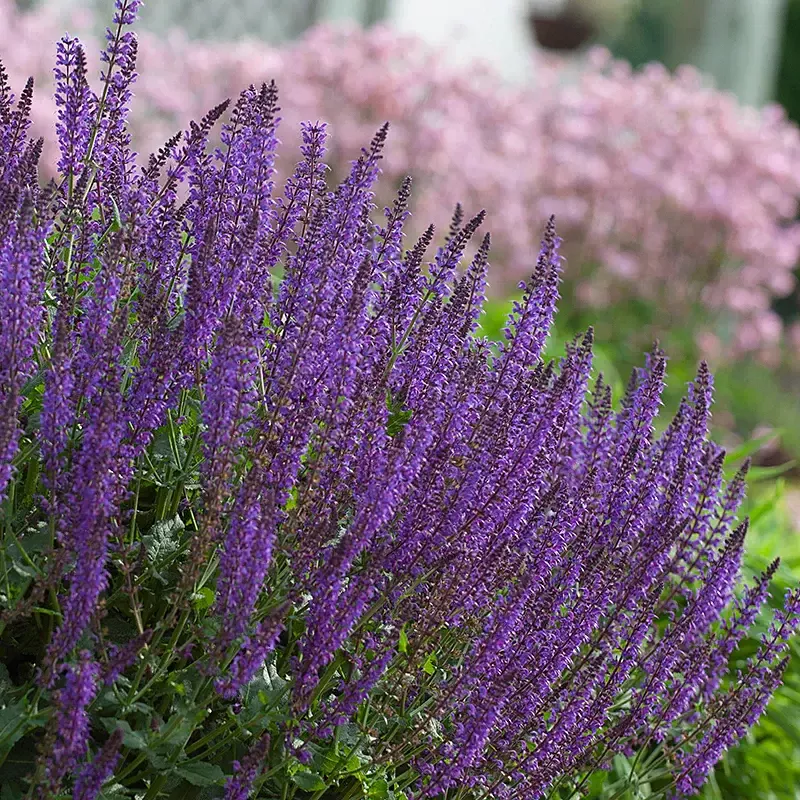
SalviaPerennial Salvia “May Night”
Original price was: $11.60.$8.27Current price is: $8.27. -
Miracle-Gro Water Soluble Rose Food 1.5lb
Original price was: $7.99.$5.01Current price is: $5.01. -
Miracle-Gro Shake ‘n Feed Tomato, Fruit & Vegetable Plant Food 4.5lb
Original price was: $15.99.$10.70Current price is: $10.70. -
Screened Mushroom Compost (Per Yard)
Original price was: $43.99.$24.41Current price is: $24.41. -
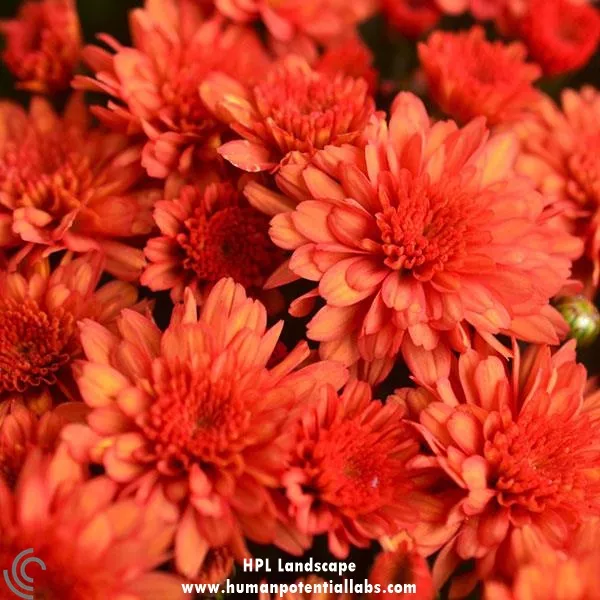
ChrysanthemumMums “Mumosa”
Original price was: $12.00.$6.69Current price is: $6.69. -
Scotts Rose & Bloom Plant Food 3lb
Original price was: $4.79.$2.99Current price is: $2.99. -
Skookum Rhododendron
Original price was: $80.00.$51.48Current price is: $51.48. -
Viburnamcarlesii
Original price was: $36.00.$22.63Current price is: $22.63.