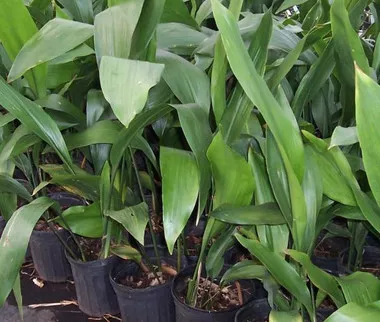
Aspidistra elatior (4) 1-gallons
Original price was: $102.01.$76.46Current price is: $76.46.
Description
Product Description
Aspidistra elatior (4) 1-gallons
Cast Iron plant Zone 7 to 9, Shade. Mature foliage height 2 to 3 feet by 2 to 3 feet wide.
Cornlike, ovate, dark green, glossy, tough-leathery foliage. In late spring to early summer, it may produce fleshy, bell-shaped, purplish-brown flowers near soil level. Member of the lily family.
Aspidistra elatior, commonly known as the cast iron plant, is surprisingly versatile and can be grown both indoors and outdoors, depending on your climate and preferences. Here is a guide to planting it outdoors:
Suitable Climates:
- Hardiness Zones: Aspidistra elatior is hardy in USDA zones 7-10. This means it can tolerate winter temperatures down to around 0°F (-18°C). If you live in a colder region, it is best to grow it as a houseplant or provide winter protection.
Planting Location:
- Shade to Partial Shade: Choose a location that receives shade to partial shade. Aspidistra elatior thrives in low-light conditions and can even tolerate full shade. Avoid planting it in direct sunlight, especially during the hottest part of the day, as this can scorch the leaves.
- Well-Drained Soil: Ensure the soil is well-drained. Aspidistra elatior does not like to sit in wet feet, so amend heavy clay soil with organic matter to improve drainage.
Planting Steps:
- Prepare the Soil: Dig a hole that is twice as wide as the root ball and just as deep. Amend the soil with compost or other organic matter to improve drainage and fertility.
- Plant the Aspidistra: Carefully remove the plant from its container and loosen any circling roots. Place the plant in the hole so that the top of the root ball is level with the surrounding soil.
- Backfill and Water: Fill the hole with amended soil, gently firming it around the roots. Water thoroughly to settle the soil.
Care and Maintenance:
- Watering: Water regularly, especially during the first growing season, to help the plant establish a strong root system. Once established, Aspidistra elatior is quite drought tolerant.
- Mulching: Apply a layer of organic mulch, such as shredded leaves or bark, around the plant to help retain moisture and suppress weeds.
- Fertilizing: Fertilize once or twice a year with a balanced, slow-release fertilizer.
- Pruning: Remove any damaged or yellowing leaves as needed.
Benefits of Outdoor Planting:
- Groundcover: Aspidistra elatior can be used as a groundcover in shady areas where grass struggles to grow.
- Erosion Control: Its spreading habit can help to stabilize slopes and prevent erosion.
- Low Maintenance: It is a low-maintenance plant that requires minimal care once established.
- Year-Round Interest: Its evergreen foliage provides year-round color and texture to the garden.
Considerations:
- Invasiveness: In some areas, Aspidistra elatior can become invasive, spreading aggressively by rhizomes. Monitor its growth and control its spread if necessary.
- Snails and Slugs: Watch out for snails and slugs, which can damage the foliage.
By following these guidelines, you can successfully plant and enjoy the beauty of Aspidistra elatior in your outdoor garden.
In the southern states Aspidistra grows carefree as a groundcover in dense, dark shade. In other regions, it is usually grown as a houseplant. Old brown-spotted foliage should be entirely removed to encourage new growth. Common name comes from its ability to tolerate poor conditions such as low light, drafts, low humidity and neglect in watering and dusting.
(4) 1-gallon containers ready to plant, plants maybe trimmed for shipping,
Click here for more ordering and shipping information.
Related products
-
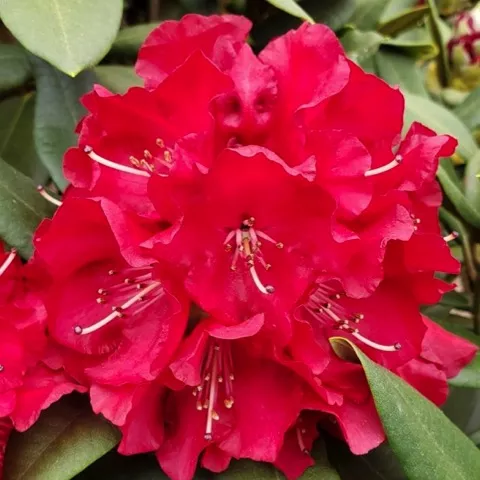
Skookum Rhododendron
Original price was: $80.00.$51.48Current price is: $51.48. -
Miracle-Gro Water Soluble All Purpose Plant Food 4LB
Original price was: $8.00.$5.18Current price is: $5.18. -
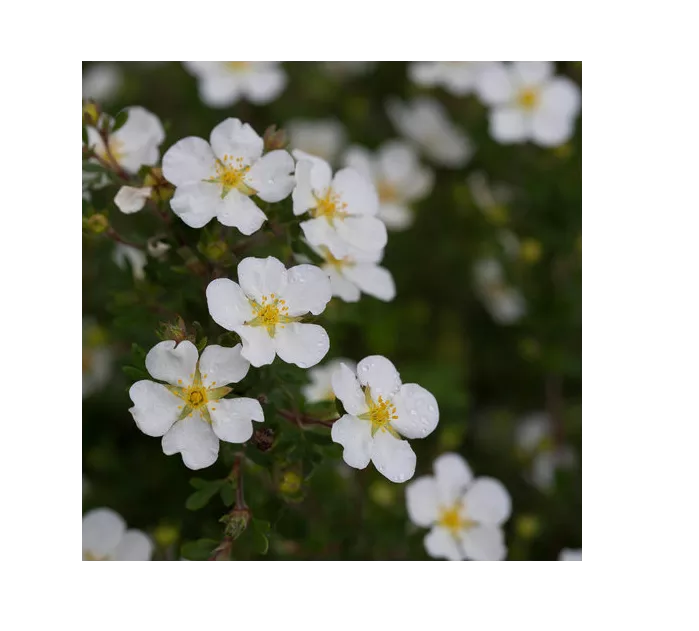
Happy Face White Potentilla
Original price was: $44.00.$23.45Current price is: $23.45. -
Scotts Evergreen, Flowering Tree, & Shrub Plant Food 3lb
Original price was: $4.79.$2.40Current price is: $2.40. -
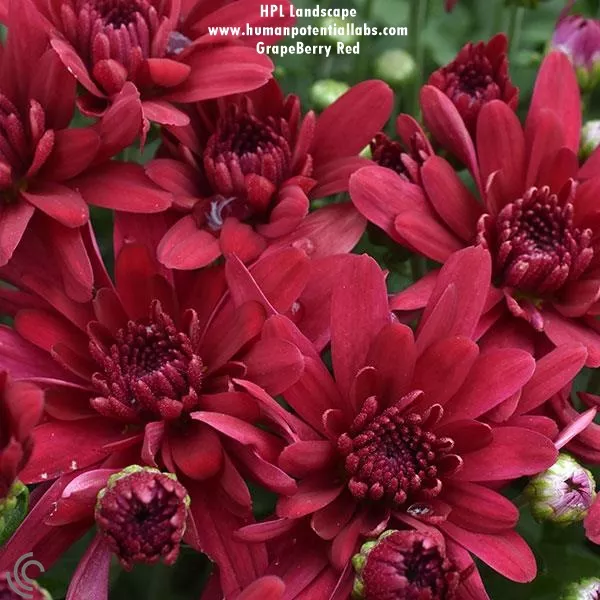
ChrysanthemumsMums “Grapeberry Red”
Original price was: $12.00.$9.03Current price is: $9.03. -
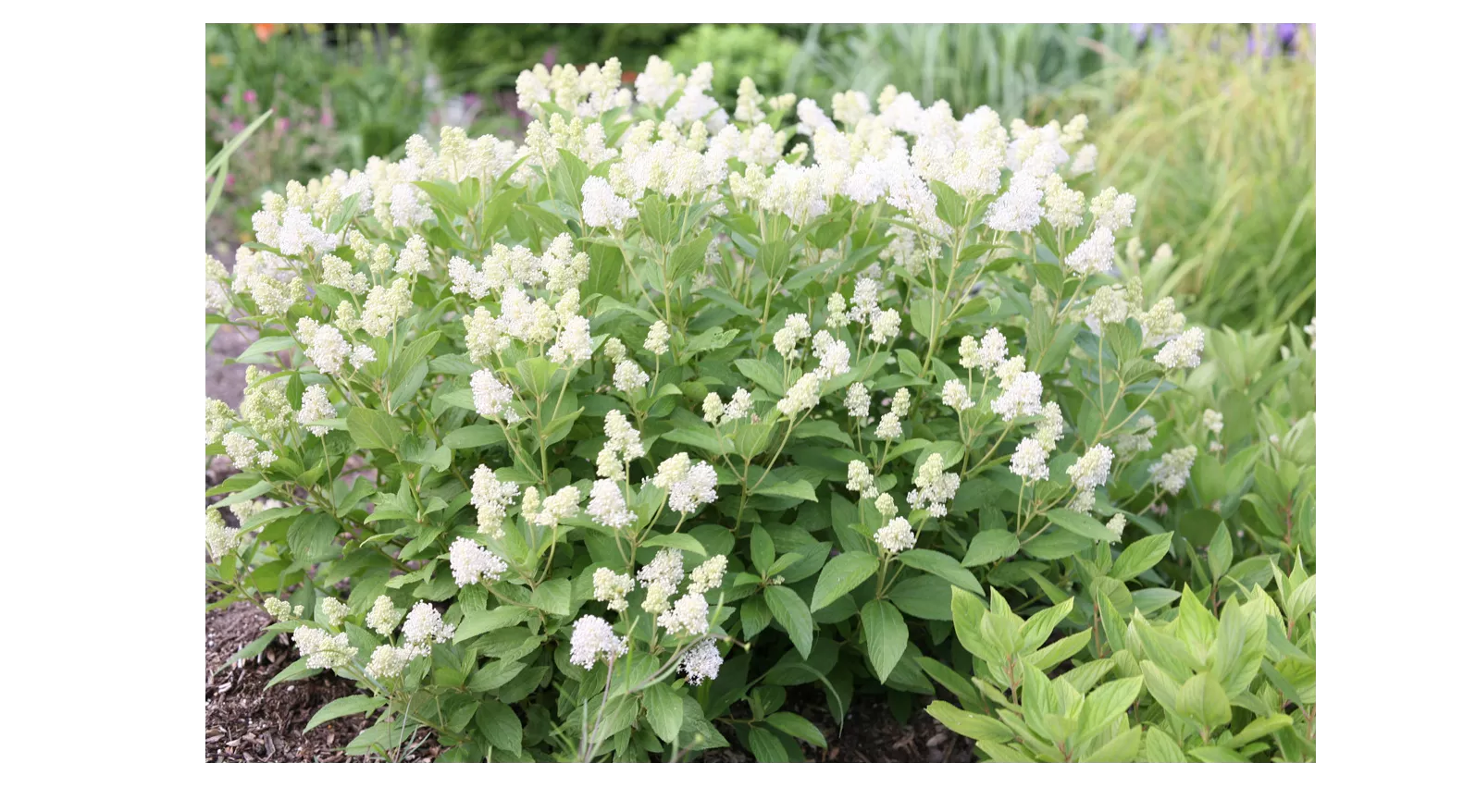
New Jersey Tea
Original price was: $12.00.$8.45Current price is: $8.45. -
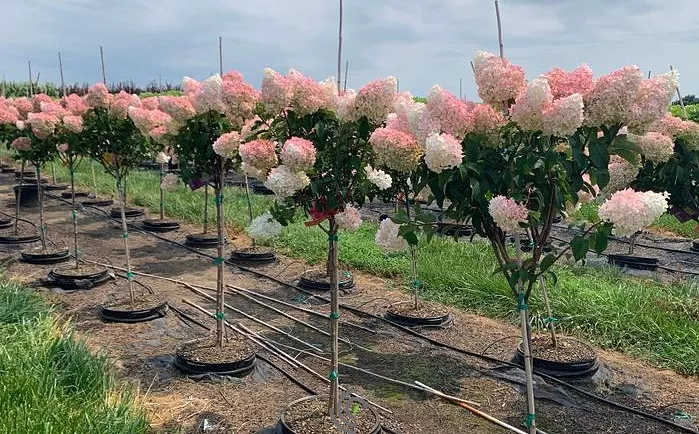
Hydrangea paniculata”Vanilla Strawberry”Tree Form
Original price was: $140.00.$76.96Current price is: $76.96.