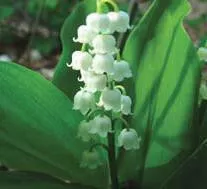
Convallaria majalis (bare root plant)
Original price was: $3.38.$2.62Current price is: $2.62.
Description
Product Description
Convallaria majalis Bare Root PlantsCommon Name: Lily of the Valley
A charming, old-fashioned favorite. Arching racemes of pendulous, bell-shaped, pure white flowers appear in spring and last for several weeks. These blooms are very fragrant; they are even used in making perfume! Tiny orange berries follow the flowers.
Despite the dainty appearance of the blossoms, Convallaria is actually a tough, vigorous groundcover. Use it to cover slopes and riverbanks or in shady woodland sites, even under trees.
Lily of the Valley grows best in woodland-like conditions: fertile, humus-rich, moist soil and partial to full shade. It will, however, grow in full sun in northern regions if the soil remains moist. Be careful when siting this plant–though it may take a while to get started, this plant will spread rapidly, forming a dense, weed-smothering groundcover. Lily of the Valley greatly benefits from an annual application of organic compost each fall.
Royal Horticultural Society’s Award of Garden Merit — 1993
Height: 6.0-8.0 InchesSpread: 12.0-18.0 InchesHardiness Zones: 2,3,4,5,6,7Flower Color: White Shades, Pink shadesFoliage Color: Green shadesFull Sun (> 6 hrs. Direct Sun) – Full Shade (<4 hrs. Direct Sun)Average to Consistent Water NeedsAverage to Fertile Soil QualityBloomtime: Mid SpringDeer ResistantGrowth Rate: Rapid
Border Plant, Container, Cut Flower, Easy To Grow, Fragrant Flowers, Ground Cover, Aggressive ground cover in Northern zones
Enchant Your Garden with the Sweet Fragrance of Spring
Fill your shade garden with the captivating beauty and intoxicating fragrance of Convallaria majalis, commonly known as Lily of the Valley.
These charming woodland plants produce delicate, bell-shaped white flowers that exude a sweet perfume, creating a sensory delight in the spring garden. Lily of the Valley is a classic choice for groundcovers, borders, or woodland gardens, adding a touch of elegance and timeless beauty.
- Type: Herbaceous perennial
- Size: Grows 6-8 inches tall and spreads slowly to form a dense groundcover.
- Foliage: Attractive, lance-shaped, dark green leaves that create a lush backdrop for the flowers.
- Flowers: Delicate, bell-shaped, white flowers with a sweet fragrance, blooming in mid to late spring.
- Zone Hardiness: USDA Zones 2-9 (suitable for a wide range of climates)
- Light: Prefers partial to full shade.
Details:
- Fragrant Flowers: The sweet perfume of Lily of the Valley is a hallmark of spring, filling the garden with a delightful aroma.
- Groundcover: Spreads slowly to form a dense, weed-suppressing groundcover, perfect for shady areas.
- Woodland Charm: Adds a touch of woodland elegance to any garden setting.
- Cut Flowers: The fragrant flowers can be used in cut flower arrangements, bringing their sweet perfume indoors.
Planting and Care of Bare Roots:
- Timing: Plant bare roots in early spring or fall as soon as the ground can be worked.
- Location: Choose a location with partial to full shade and well-drained soil. Lily of the Valley prefers moist, fertile soil rich in organic matter.
- Soil Preparation: Amend the soil with compost or other organic matter to improve drainage and fertility.
- Planting Depth: Plant the bare roots (called pips) horizontally, 1-2 inches deep and 4-6 inches apart. Cover with soil and water well.
- Watering: Keep the soil consistently moist, especially during the first year after planting. Once established, Lily of the Valley is relatively drought-tolerant but benefits from regular watering during dry spells.
- Mulching: Apply a layer of mulch around the plants to retain moisture, suppress weeds, and protect the roots from temperature fluctuations.
- Fertilizing: Apply a balanced fertilizer in spring as new growth emerges.
- Pest and Disease Control: Lily of the Valley is generally pest and disease-free. However, monitor for slugs and snails, which may occasionally nibble on the foliage.
- Dividing: Divide clumps every 3-4 years in early spring or fall to maintain vigor and prevent overcrowding.
Important Note: Lily of the Valley is toxic if ingested. Keep out of reach of children and pets.
Bring the enchanting beauty and fragrance of Lily of the Valley to your garden!
Mature field grown plant shipped bare root.
Click here for more ordering and shipping information.
Related products
-
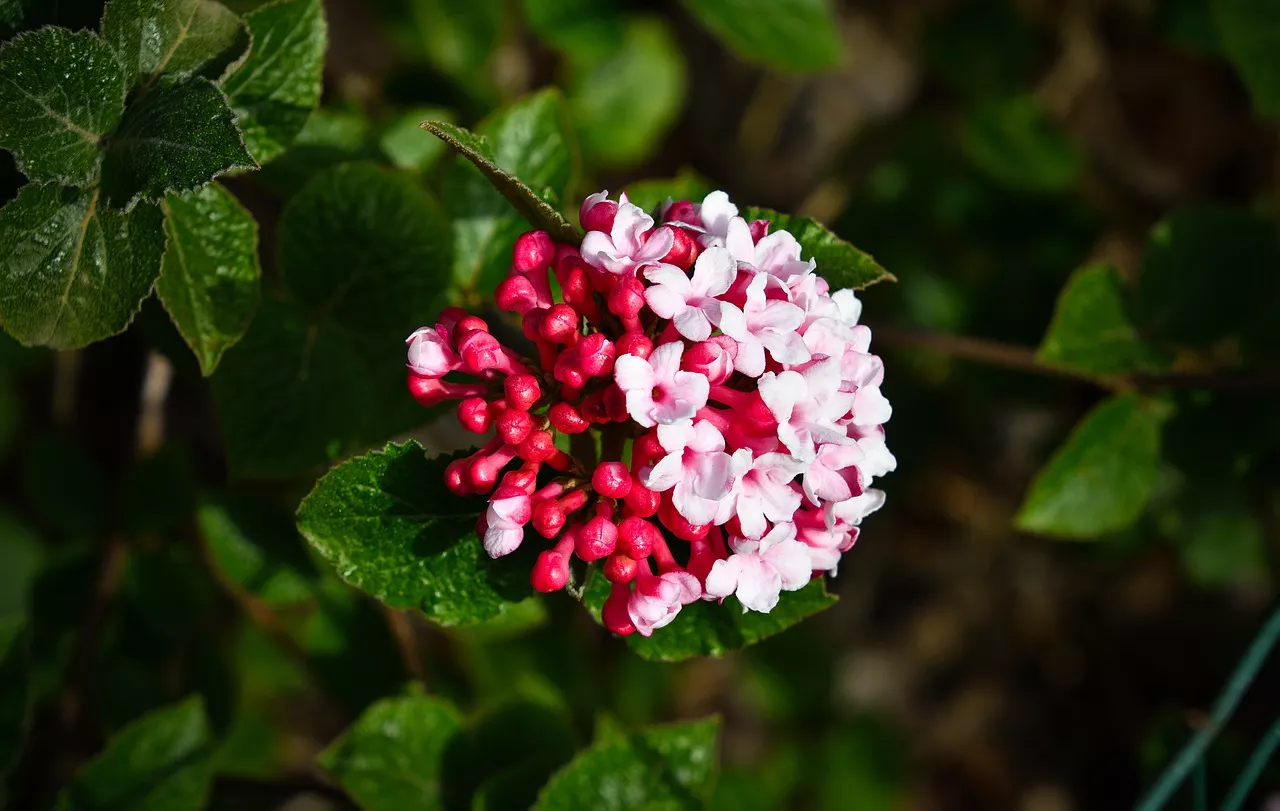
Viburnamcarlesii
Original price was: $36.00.$22.63Current price is: $22.63. -
Screened Mushroom Compost (Per Yard)
Original price was: $43.99.$24.41Current price is: $24.41. -
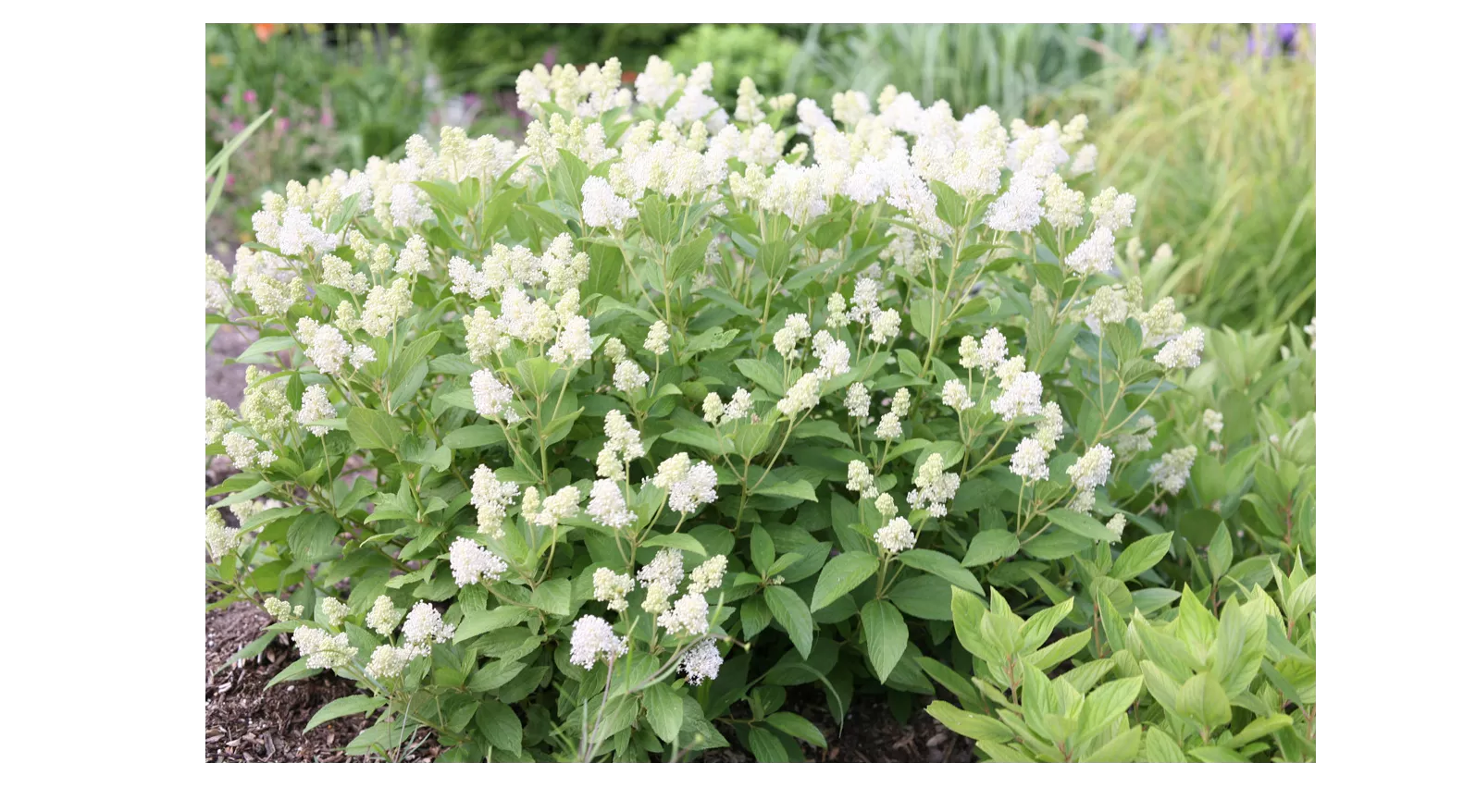
New Jersey Tea
Original price was: $12.00.$8.45Current price is: $8.45. -
Scotts Evergreen, Flowering Tree, & Shrub Plant Food 3lb
Original price was: $4.79.$2.40Current price is: $2.40. -
Miracle-Gro Water Soluble Rose Food 1.5lb
Original price was: $7.99.$5.01Current price is: $5.01. -
Hydrangea paniculata”Vanilla Strawberry”Tree Form
Original price was: $140.00.$76.96Current price is: $76.96. -
Visions Astilbe
Original price was: $12.00.$7.31Current price is: $7.31.