Echinacea p.a ‘White Swan’ (3.5 inch pot)
Original price was: $4.31.$2.89Current price is: $2.89.
Description
Product Description
Echinacea purpurea ‘White Swan’ (3.5-inch pot)Common Name: White Swan Coneflower
- Height: 2-3 Feet
- Spread: 12-18 Inches
- Hardiness Zone: 3-8
- Full Sun
- Blooms Summer into Fall
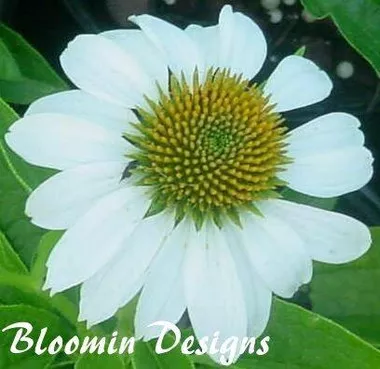
- White petals around golden center cones
- Thrives in Summer heat
- Great cut flower
Echinacea pupurea ‘White Swan’ stands tall in the perennial garden. Dark green leaves are 4″-8″ long, serrated, coarse and hairy. It is slow to emerge in the Spring but picks up speed once it turns hot. Blooms are daisy like with White petals circling a golden center cone. Blooms mid-Summer into Fall. Blooms are 3″-4″ wide on stems shooting up above the foliage. Attracts butterflies and pollinators. Makes an excellent cut flower. Prefers average, well drained soil and will do well in poor soil. Tolerant of heat and humidity, it is a tough perennial of the prairie gardens. Performs best in Full Sun. Can be leggy in Part Shade. Mature height 2″-3′, spread 1′-1.5′.
Echinacea purpurea is a wildflower native to the eastern United States and is well-adapted to survive the hot, windy conditions typical of that region. If properly cared for, they will form attractive colonies and will live for many years.
Coneflowers like it sunny and hot. Though they will tolerate light shade, fewer flowers will be produced, and the plants will be weakened. Light, loamy soils are best, but coneflowers will grow in any well-drained soil. Once established, they are quite drought tolerant.
Excellent as a border plant, in mass or containers, as cut flower or foliage, dried flower or seed heads; fragrant flowers attract butterflies. If deadheaded, the bloom cycle will be extended. However, some spent blooms should be left on the plants in fall because their seeds provide winter food for finches and other birds. The dried seed heads also provide interest in the winter. Deer resistant.
Echinacea purpurea ‘White Swan’ is a beautiful and popular cultivar of the purple coneflower, known for its elegant white blooms. Here is a breakdown of its key features:
Echinacea purpurea ‘White Swan’ (White Swan Coneflower)
- Type: Herbaceous Perennial
- Hardiness Zones: 3-8 (very adaptable)
- Height: 2 to 3 feet
- Spread: 1 to 2 feet
- Bloom Time: June to August (sometimes longer)
- Flower Color: Pure white petals with a prominent golden-yellow to coppery-orange central cone
- Sun: Full sun to partial shade (prefers full sun for best flowering)
- Soil: Well-drained, adaptable to various soil types
- Water: Drought-tolerant once established
- Attracts: Pollinators (butterflies, bees), birds (for seeds)
- Deer Resistant: Yes
Why ‘White Swan’ is a Great Choice
- Elegant Beauty: The pure white flowers add a touch of sophistication to any garden.
- Excellent Cut Flower: ‘White Swan’ makes beautiful and long-lasting cut flower arrangements.
- Attracts Pollinators: Like other Echinaceas, it is a magnet for butterflies and bees.
- Easy Care: Tolerant of drought, heat, and poor soil, making it low-maintenance.
- Native Heritage: Echinacea purpurea is native to North America, supporting local ecosystems.
- Versatile: Works well in borders, meadows, cottage gardens, and as cut flowers.
How to Grow ‘White Swan’
- Planting: Plant in spring or fall. Space plants about 1 to 2 feet apart.
- Soil: Amend poor soil with compost. Ensure good drainage.
- Sunlight: Choose a spot with at least 6 hours of sun for best flowering.
- Watering: Water regularly until established, then only during prolonged dry spells.
- Fertilizing: Usually not needed, but a light application of balanced fertilizer in spring can be beneficial.
- Deadheading: Remove spent flowers to encourage more blooms and prevent excessive self-seeding. However, leaving some seed heads provides winter interest and food for birds.
- Dividing: Divide clumps every 3-4 years to prevent overcrowding and rejuvenate plants.
Potential Problems
- Japanese Beetles: Can be an occasional pest.
- Leaf Spot: Fungal disease that can be treated with fungicides.
- Aster Yellows: A viral disease that can cause distorted growth and should be removed.
Click here for more ordering and shipping information.
Related products
-
Scotts Rose & Bloom Plant Food 3lb
Original price was: $4.79.$2.99Current price is: $2.99. -
Miracle-Gro Water Soluble All Purpose Plant Food 4LB
Original price was: $8.00.$5.18Current price is: $5.18. -
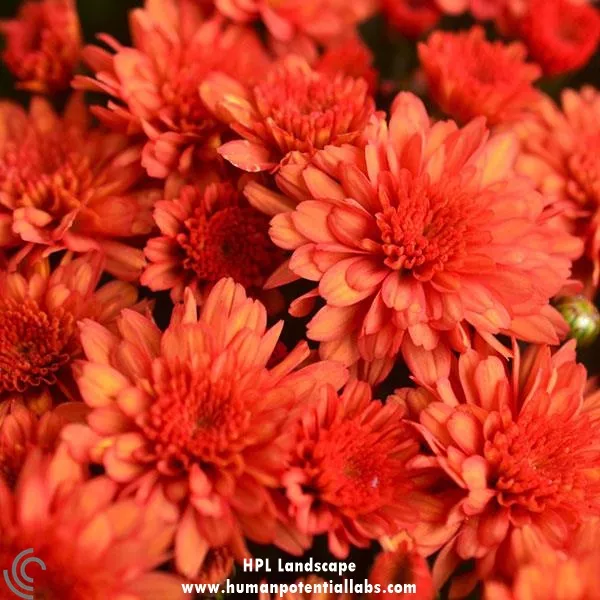
ChrysanthemumMums “Mumosa”
Original price was: $12.00.$6.69Current price is: $6.69. -
Miracle-Gro Water Soluble All Purpose Plant Food 1LB
Original price was: $7.19.$3.96Current price is: $3.96. -
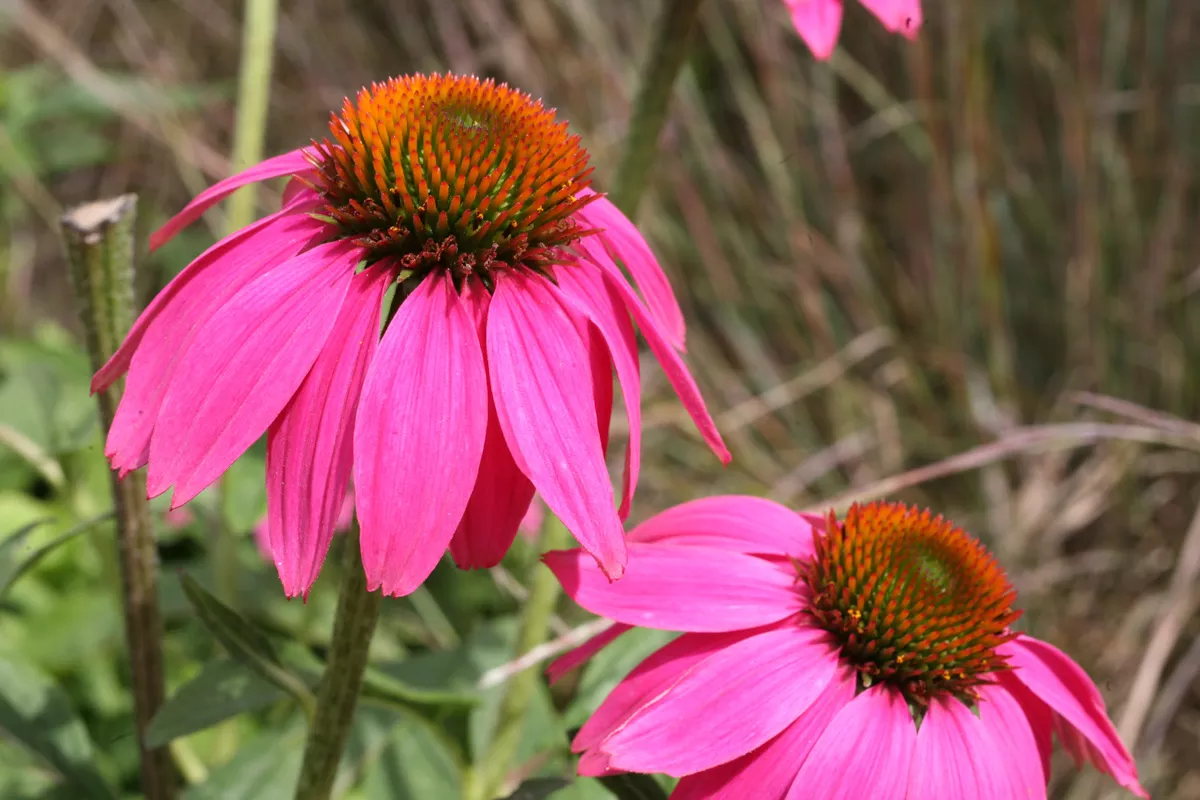
PowWow Wildberry Coneflower
Original price was: $12.00.$6.29Current price is: $6.29. -
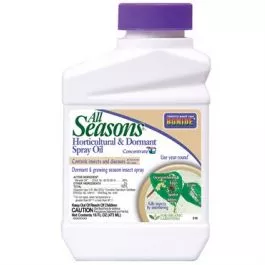
All Seasons Horticultural Spray Oil Concentrate 16oz
Original price was: $9.59.$5.97Current price is: $5.97. -
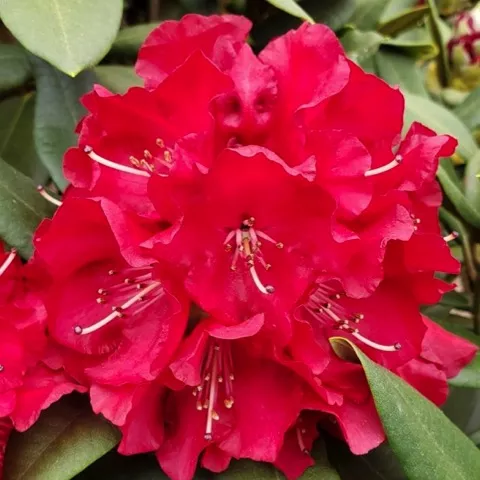
Skookum Rhododendron
Original price was: $80.00.$51.48Current price is: $51.48. -
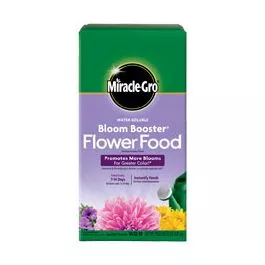
Miracle-Gro Water Soluble Bloom Booster Flower Food 4LB
Original price was: $14.39.$8.13Current price is: $8.13.