Echinacea p. ‘Magnus'(30)ct Flat
Original price was: $133.67.$68.97Current price is: $68.97.
Description
Product Description
Echinacea purpurea ‘Magnus’ (30)ct FlatCommon Name: Purple Coneflower
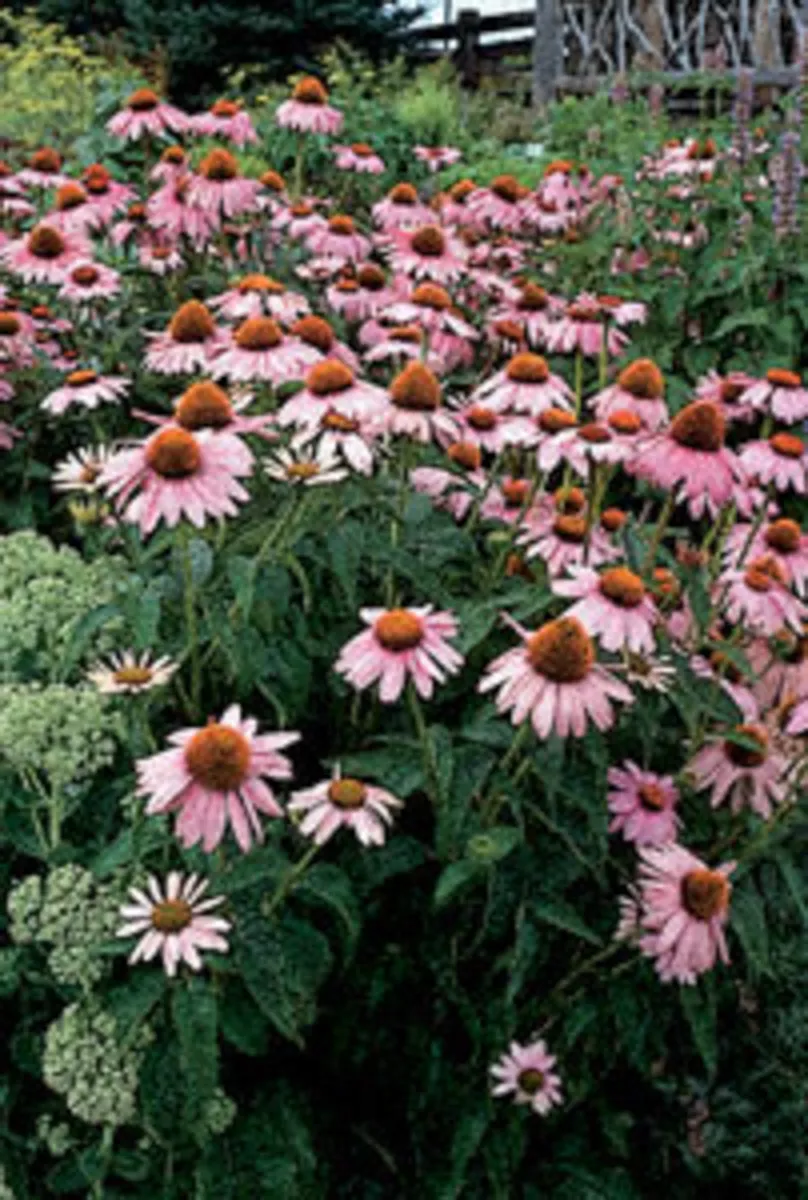
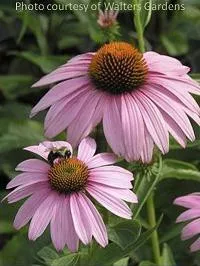
The classic purple coneflower. Beautiful rose pink ray petals with a coppery brown, spiky central cone. Petals are held horizontally, making the flowers appear even bigger. Newer blooms are more intense in color and lighten to pale rose as they age, lending a bicolor effect to the entire clump of Echinacea.
Praised for their large, daisy-like flowers which appear from midsummer thru fall, after many other perennials have finished blooming, Coneflowers are a mainstay in today’s garden. If deadheaded, the bloom cycle will be extended. However, some spent blooms should be left on the plants in fall because their seeds provide winter food for finches and other birds. The dried seed heads also provide architectural interest in the winter.
Echinacea purpurea is a wildflower native to the eastern United States and is well-adapted to survive the hot, windy conditions typical of that region. If properly cared for, they will form attractive colonies and will live for many years.
Coneflowers like it sunny and hot. Though they will tolerate light shade, fewer flowers will be produced, and the plants will be weakened. Light, loamy soils are best, but coneflowers will grow in any well-drained soil. Once established, they are quite drought tolerant.
Perennial Plant Association Plant of the Year — 1998Royal Horticultural Society’s Award of Garden Merit — 2003
Height: 30 InchesSpread: 18- 24 InchesHardiness Zones: 3,4,5,6,7,8Flower Color: Pink ShadesFoliage Color: Green shadesFull Sun (> 6 hrs. Direct Sun) – Part Shade (4-6 hrs. Direct Sun)Low to Average Water NeedsPoor to Fertile Soil QualityBloomtime: Midsummer – Early FallAttracts Butterflies and SongbirdsBee FriendlyDeer ResistantSeasonal Interest: Dried Seed HeadsGrowth Rate: Medium
Border Plant, Container, Cut Flower, Dried Flower, Drought Tolerant, Fragrant Flowers, Mass Planting
Echinacea, commonly known as coneflower, is a beloved North American wildflower that brightens gardens with its vibrant blooms and attracts pollinators like bees and butterflies . Among the many cultivars of Echinacea, ‘Magnus’ stands out as an award-winning variety with exceptional characteristics. One of its most notable features is that the rosy pink petals are held horizontally, unlike many other coneflowers with drooping petals . This comprehensive guide delves into the captivating world of Echinacea purpurea ‘Magnus’, covering its origins, appearance, growing conditions, care requirements, potential medicinal uses, and where to purchase it.
Echinacea purpurea ‘Magnus’ was discovered in Sweden by Magnus B. Nilsson, a dedicated nurseryman who spent over a decade crossbreeding and selecting Echinacea purpurea varieties . Nilsson was seeking to develop a coneflower with bolder colors, larger flowers, and horizontal ray florets, unlike the drooping petals of the species, which he likened to a “shuttlecock” . His efforts culminated in the selection of ‘Magnus’, a cultivar that embodies his vision. ‘Magnus’ is a nativar, meaning it is a cultivated variety of a native plant . Introduced by Jelitto Seeds in 1990, ‘Magnus’ quickly gained recognition for its exceptional qualities and was awarded the Perennial Plant of the Year in 1998.
Appearance Echinacea purpurea ‘Magnus’ is a striking plant with large, rosy pink flowers that can reach up to 6 inches in diameter . The petals are held horizontally, creating a bold and eye-catching display . The flowers have a coppery brown, spiky central cone, which adds to their visual appeal . Newer blooms have a more intense color and lighten to pale rose as they age, creating a bicolor effect.
Growing Conditions Echinacea purpurea ‘Magnus’ thrives in full sun, requiring at least 6 to 8 hours of direct sunlight daily . While it can tolerate partial shade, it may produce fewer flowers in less sunny conditions . This cultivar prefers fertile, well-drained soil but is adaptable and can tolerate various soil types, including clay, sandy, and rocky soils . It is essential to ensure good drainage to prevent root rot . It typically reaches a height of 40 inches with a similar spread . The bloom period for ‘Magnus’ is from early July to late July, with peak bloom in mid-July . Echinacea is a good choice for a cutting garden, as the flowers last well in arrangements.
Care Requirements Echinacea purpurea ‘Magnus’ is a relatively low-maintenance plant, especially once established. With its long blooming period and high drought tolerance, ‘Magnus’ is a particularly good choice for gardeners seeking low-maintenance plants . Here are some essential care tips:
- Watering: While drought-tolerant, ‘Magnus’ benefits from regular watering, especially during the first growing season, to help establish deep roots . Water moderately, allowing the soil to dry out between waterings.
- Fertilizing: ‘Magnus’ generally does not require excessive fertilization. A thin layer of compost applied around the base of the plant each spring is usually sufficient . Over-fertilization can lead to excessive foliage growth at the expense of flowers.
- Pruning: Deadhead spent flower heads to encourage continuous blooming and prevent self-seeding . In late winter or early spring, cut back dead growth before new growth emerges.
- Dividing: Divide clumps every 3 to 4 years to maintain plant health and vigor . This can be done in spring or fall.
- Winter Care: Leaving the seed heads in place over winter provides food for birds such as goldfinches.
- Pest and Disease Control: While generally pest-resistant, ‘Magnus’ can occasionally be affected by Japanese beetles and leaf spot.
Ecological Role and Wildlife Benefits Echinacea purpurea ‘Magnus’, like other Echinacea species, plays a vital role in supporting local ecosystems . Its flowers attract a variety of pollinators, including bees, butterflies, and hummingbirds, contributing to the health and biodiversity of garden environments . Coneflower is also a host plant for several butterfly and moth species, including the Wavy-Lined Emerald . Leaving the seed heads in place over winter provides a valuable food source for birds.
Echinacea purpurea ‘Magnus’ is a remarkable coneflower cultivar that offers numerous benefits for gardeners and local ecosystems. Its stunning rosy pink flowers with horizontal petals, held aloft on sturdy stems, create a captivating display in the garden. ‘Magnus’ is a low-maintenance plant that thrives in full sun and is highly drought-tolerant, making it an excellent choice for busy gardeners. It attracts a variety of pollinators, including bees, butterflies, and hummingbirds, and provides food for birds during the winter months. Furthermore, Echinacea has a long history of use in traditional medicine, with potential benefits for immune support, inflammation reduction, and antiviral effects. When adding ‘Magnus’ to your garden. With its beauty, resilience, and ecological value, Echinacea purpurea ‘Magnus’ is a true gem for any garden.
Thirty (30) plants per flat (or tray). Approximate Plug Measurements: 3 inches deep x 2 inches wide.
Click here for more ordering and shipping information.
Related products
-
Swiss Stone Pine
Original price was: $387.99.$261.11Current price is: $261.11. -
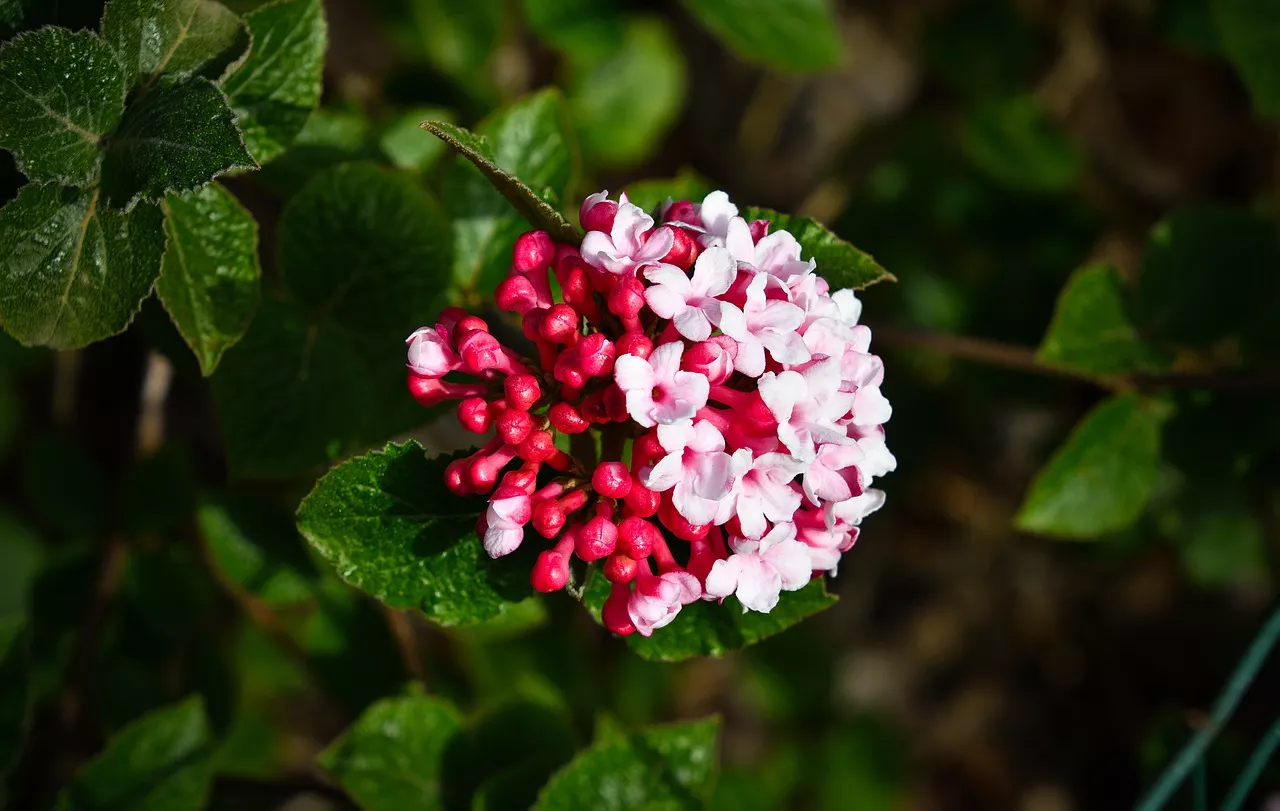
Viburnamcarlesii
Original price was: $36.00.$22.63Current price is: $22.63. -
Magnus Superior Purple Coneflower
Original price was: $12.00.$8.06Current price is: $8.06. -
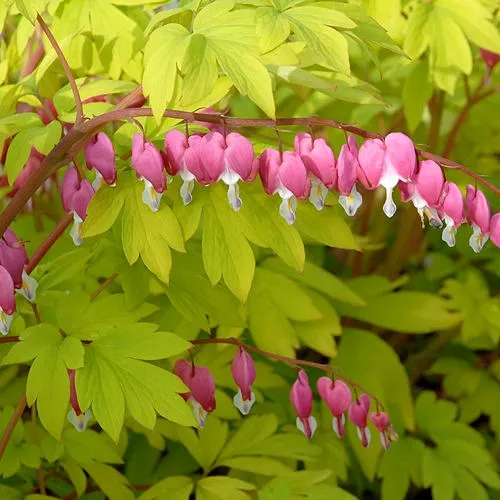
DicentraBleeding Heart”Gold Heart”
Original price was: $14.80.$11.05Current price is: $11.05. -
Scotts Rose & Bloom Plant Food 3lb
Original price was: $4.79.$2.99Current price is: $2.99. -
Eclipse Planter – Clay
Original price was: $8.00.$6.30Current price is: $6.30. -
Happy Face White Potentilla
Original price was: $44.00.$23.45Current price is: $23.45. -
ChrysanthemumsMums “Grapeberry Red”
Original price was: $12.00.$9.03Current price is: $9.03.