Hemerocallis ‘Stella Supreme’ (25) BR Plants
Original price was: $168.68.$134.90Current price is: $134.90.
Description
Product Description
Hemerocallis ‘Stella Supreme’ (Berbee) (25) Bare Root PlantssCommon Name: Daylily
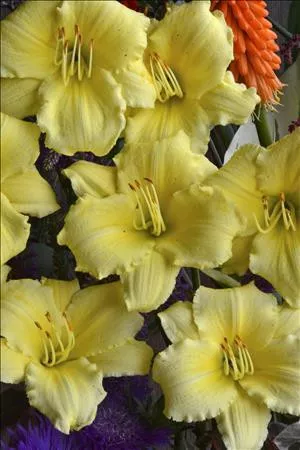
This daylily is similar in blooming behavior as the ever-popular ‘Stella de Oro’, but differs in terms of flower color and flower shape. ‘Stella Supreme’ has lemon yellow flowers, similar in color to ‘Big Time Happy’, but with a smaller sized flower. The triangular-shaped flowers have a strong citrus smell. Starts blooming in early summer and reblooms until frost.
Daylilies can survive many harsh conditions that other plants cannot including: polluted city environments, slopes, poor and dry soils, near pavement that is salted in winter, and under Black Walnut trees (not affected by juglone).
- Early Midseason Bloomer, blooming in early July.
- Rebloomer, producing a second set of flowers.
- Extended Bloom with flowers staying open at least 16 hours.
- Fragrant flowers.
- Dormant foliage.
- Diploid with 22 chromosomes.
Height: 14 InchesSpread: 18.0-24.0 InchesHardiness Zones: 3,4,5,6,7,8,9Flower Color: Yellow ShadesFoliage Color: Green shadesFull Sun (> 6 hrs. Direct Sun) – Part Shade (4-6 hrs. Direct Sun)Low to Average Water NeedsPoor to Fertile Soil QualityBloomtime: Midsummer, Rebloomer, Continuous BloomAttracts Butterflies and HummingbirdsBee FriendlyRabbit ResistantGrowth Rate: Medium
Border Plant, Container, Easy To Grow, Mass Planting, Salt Tolerant
The Hemerocallis ‘Stella Supreme’, commonly known as the daylily, is a popular perennial known for its vibrant lemon-yellow flowers and citrusy fragrance. This compact plant is a reblooming early midseason diploid daylily, meaning it blooms heavily in early summer and continues to bloom sporadically throughout the season. It typically grows to a height of 14 inches with a spread of 18-24 inches.
Characteristics The ‘Stella Supreme’ daylily boasts a profusion of lemon-yellow flowers that are triangular in shape. The flowers have a strong citrus scent, making them a delightful addition to any garden. Each flower lasts for at least 16 hours but no more than 24 hours (extended bloom), opening in the morning and withering the following night, possibly replaced by another one on the same scape (flower stalk) the next day. This daylily is also known for its compact mound of arching, linear leaves, which provide an attractive backdrop for the vibrant blooms. It is an interspecific hybrid. The grassy leaves remain green throughout the season. ‘Stella Supreme’ daylily is excellent for cutting. It has a relatively fine texture that sets it apart from other garden plants with less refined foliage. This daylily attracts butterflies and hummingbirds. It will grow to be about 12 inches tall at maturity extending to 18 inches tall with the flowers, with a spread of 18 inches. It grows at a medium rate, and under ideal conditions can be expected to live for approximately 10 years.
Ideal Planting Conditions The ‘Stella Supreme’ daylily thrives in full sun to part sun and prefers average, moist, but well-drained soil. While it can tolerate a wide range of soil types, fertile loam is ideal. It is hardy in zones 3-9. It can survive various harsh conditions, including polluted city environments, slopes, poor and dry soils, and areas near pavement that is salted in winter. It is also deer resistant. It is not affected by juglone, a substance produced by black walnut trees that can be toxic to other plants. The best time to plant Daylilies is in early fall or early spring. When planting in late summer, allow at least 6-8 weeks for rooting before temperatures remain below freezing. Avoid fertilizing at this time. Late summer planting has the distinct advantage of producing bigger plants with more flowers. It is not particular as to soil type or pH. It is highly tolerant of urban pollution and will even thrive in inner city environments. Older varieties of daylilies are able to bloom if planted in partial shade, but most of the newer introductions need full sun for best performance. Likewise, older varieties tend to spread more rapidly than the newer hybrids. When grown in masses or used as a bedding plant, individual plants should be spaced approximately 14 inches apart.
Care Requirements Daylilies are known for their low-maintenance nature, and the ‘Stella Supreme’ is no exception. Once established, it is drought tolerant and requires minimal care. However, regular watering is recommended to ensure the foliage remains attractive, especially during hot, humid weather. To encourage rebloom, remove spent blooms and seedpods after flowering. In the fall, cut off the flower stalk close to ground level and remove any dead foliage. Daylilies are toxic to cats. Rabbits tend to avoid daylilies. All varieties of daylilies can be divided every 3-4 years by digging up the entire clump and dividing it into smaller pieces with a minimum of 3 eyes each. This can be done in either spring or fall. Daylilies should be deadheaded for cosmetic purposes, but in most cases this will not extend the bloom time. As an herbaceous perennial, this plant will usually die back to the crown each winter and will regrow from the base each spring. Be careful not to disturb the crown in late winter when it may not be readily seen! Trim plants back to 2 inches late in the season for overwintering. If done too early, regrowth will occur. Cover with protective frost cloth if placed outside in a cold frame. Provide ventilation whenever temperatures rise above 40° F.
Pests and Diseases The ‘Stella Supreme’ daylily is generally pest and disease-free. However, it is advisable to keep an eye out for common daylily pests such as mites, aphids, and thrips. Some of the specific pests to watch out for include two-spotted spider mites (Tetranychus urticae) and flower thrips (Frankliniella tritici). Various aphids can also be pests on daylilies. In warmer climates, daylily rust can be a concern, but it is not a problem in colder regions where it does not overwinter. This rust does not overwinter in zone 5 Michigan climate. Some of the diseases that can affect daylilies include:
- Leaf Streak: Daylily leaf streak is caused by the fungus Aureobasidium microstictum. Symptoms are elongated yellow streaks along the leaf mid-vein followed by browning or spots on the infected leaves with yellow borders. These symptoms usually develop from the leaf tip downward. Cultivars vary greatly in susceptibility. Apply a fungicide to protect plants.
- Daylily Rust: Daylily rust is caused by the fungal pathogen Puccinia hemerocallidis. The symptoms are similar to those of daylily leaf streak: yellow to brown streaks on the leaves along with numerous, small yellow spots. This fungus also occurs on Patrinia spp. (and possibly Hosta, but this has not been observed in the U.S.). Most cultivars are susceptible. Remove infected leaves and immediately place them in a plastic bag for disposal. Keep the bag closed. Apply a fungicide to protect plants.
- Root-Knot Nematode: Root-knot nematodes (Meloidogyne species) can cause loss of vigor and severe decline of daylilies. Infected plants slowly deteriorate, grow poorly, become stunted, turn yellow, wilt, and often die. The symptoms are very similar to moisture stress.
- Soft Rot: Pectobacterium carotovorum causes bacterial rot at the base of daylily flowers and in their rhizomes. This bacterium that causes soft rot is a common soil inhabitant. High temperatures, poor air circulation, poor soil drainage, and improper fertilization all favor soft rot disease development.
- Colletotrichum leaf spot or leaf scorch: Leaf tissue dies in a streak along the mid-vein. Remove infected leaves. Destroy leaf debris at the end of the season. Avoid overhead irrigation.
- Rhizoctonia crown rot: Slender, grassy foliage develops and few flower stalks form. Crowns rot and die. Protect crowns from freezing.
- Russet spot: Reddish spots form on the leaves.
Mature field grown plant shipped bare root.
Click here for more ordering and shipping information.
Related products
-
Eclipse Planter – Clay
Original price was: $8.00.$6.30Current price is: $6.30. -
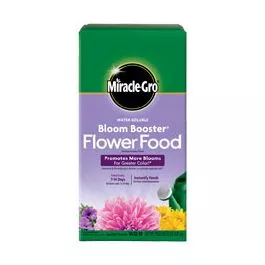
Miracle-Gro Water Soluble Bloom Booster Flower Food 4LB
Original price was: $14.39.$8.13Current price is: $8.13. -
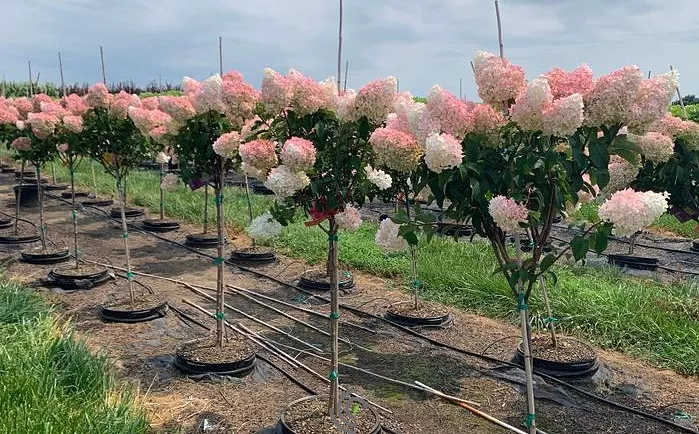
Hydrangea paniculata”Vanilla Strawberry”Tree Form
Original price was: $140.00.$76.96Current price is: $76.96. -
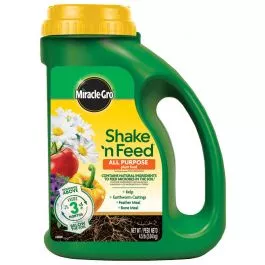
Miracle-Gro Shake ‘n Feed All Purpose 4.5lb
Original price was: $12.79.$8.13Current price is: $8.13. -
Screened Mushroom Compost (Per Yard)
Original price was: $43.99.$24.41Current price is: $24.41. -
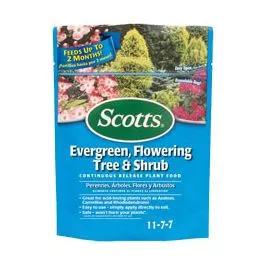
Scotts Evergreen, Flowering Tree, & Shrub Plant Food 3lb
Original price was: $4.79.$2.40Current price is: $2.40. -
Swiss Stone Pine
Original price was: $387.99.$261.11Current price is: $261.11. -
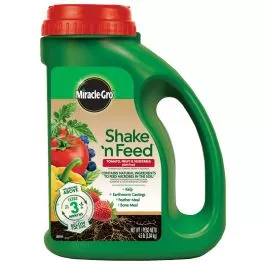
Miracle-Gro Shake ‘n Feed Tomato, Fruit & Vegetable Plant Food 4.5lb
Original price was: $15.99.$10.70Current price is: $10.70.