Hosta ‘Dream Weaver’ (20)ct Flat
Original price was: $192.29.$110.45Current price is: $110.45.
Description
Product Description
Hosta ‘Dream Weaver’ (B. Reutenik, K. Walek 96) (20)ct FlatMedium – Large.
- A sport of ‘Great Expectations’
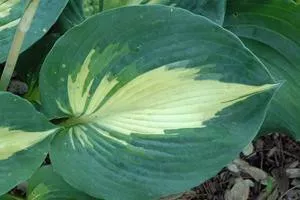
- Large, distinctive leaves have very wide, blue-green margins and sharply contrasting creamy white centers
- Leaves are nearly round and are corrugated
- White flowers appear on 26″ scapes in midsummer
Hostas are exceedingly popular perennials in today’s gardens due to their versatility in the landscape. Their subtle colors, tall flower scapes, and broad, coarse leaves fill a niche in garden designs that few other plants can achieve. Their large leaves provide excellent coverage for dying bulb foliage. Hostas also grow well in city environments where the air may be polluted by car exhaust, etc.
Hostas grow best in moist, well-drained, highly organic soils with a pH between 5.5 and 7.5. Sandy loam is better than clay because it provides more aeration for the roots. High-filtered or dappled sunlight is necessary for clean, healthy growth. Morning sun is tolerable and will help to intensify the leaf colors, but hot afternoon sun is usually deadly to hostas. They are most at home in shady, woodland settings and often work well as specimen or edging plants.
Especially in northern zones, hostas should be mulched with a layer of finely shredded organic material to prevent heaving in the winter. Mulch is beneficial because it retains moisture around the plant’s roots, but it is also the ideal place for slugs to hide. Watch for holes in the center of the leaves. If they are present, so are slugs. Applying a slug bait in early spring when new shoots are beginning to emerge will help to reduce the slug population. After a few years when plants are firmly established, the mulch can be removed completely, which should eliminate the slug problem altogether. Also be sure to clean all hosta foliage out of the garden in early winter after the plants have gone dormant. By doing so, you will be ridding the area of the eggs of slugs and other leaf-eating insects.
Royal Horticultural Society’s Award of Garden Merit — 2012American Hosta Society Benedict Garden Performance Award Honorable Mention — 2006American Hosta Society Benedict Garden Performance Award of Merit — 2010
Height: 18 InchesSpread: 30 InchesScape Height: 26 InchesHardiness Zones: 3,4,5,6,7,8,9Flower Color: White shadesFoliage Color: VariegatedPart Shade (4-6 hrs. Direct Sun) – Full Shade (<4 hrs. Direct Sun)Average to Consistent Water NeedsAverage to Fertile Soil QualityBloomtime: MidsummerAttracts HummingbirdsGrowth Rate: Medium
Border Plant, Container, Cut Foliage, Easy To Grow, Mass Planting
Hosta ‘Dream Weaver’ is a captivating variety of hosta known for its large, distinctive leaves with wide, blue-green margins and sharply contrasting creamy white centers. It is a sport of ‘Great Expectations’, but with a wider margin and better growth rate. Most growers should expect a mature size of around 20-24″ tall and 48″ wide, although it can reach up to 72″ wide in ideal conditions. The leaves are nearly round and have a corrugated texture, adding to their visual appeal. In midsummer, ‘Dream Weaver’ produces white flowers on 26-inch scapes (flower stalks). This hosta is a 2012 recipient of the Royal Horticultural Society’s Award of Garden Merit.
Characteristics Hosta ‘Dream Weaver’ is a giant hosta cultivar that forms a large mound of blue and yellow contrasting leaves. It was hybridized by B. Ruetenik/K. Walek in 1996. The leaves emerge with a bright yellow center surrounded by a wide blue margin. As the season progresses, the centers transition to a creamy white, creating a striking contrast with the blue-green borders. There are often lighter green and even grey-green streaks where the center color and margin overlap. One of the key characteristics that sets ‘Dream Weaver’ apart from its parent, ‘Great Expectations’, is its wider margin and better growth rate. This means that ‘Dream Weaver’ will typically grow larger and fill in more quickly, making it a desirable choice for gardeners.
Hosta ‘Dream Weaver’ is not native to North America. It can be used as a border plant, container plant, for cut foliage, as a specimen plant, or as a focal point in the garden. Its large leaves provide excellent coverage for dying bulb foliage. Hostas also grow well in city environments where the air may be polluted by car exhaust. The flowers are bell-shaped and white and bloom in early to midsummer. The leaves are heart-shaped. The growth rate is moderate. It can be used in container gardening and can attract bees. It can also be used for erosion control and attracts hummingbirds.
Hardiness Zones Hosta ‘Dream Weaver’ thrives in USDA Hardiness Zones 3-9. This means it can tolerate a wide range of temperatures and growing conditions, making it suitable for gardens in many different regions.
Companion Plants
|
Plant Name |
Description |
Benefits |
|
Aruncus dioicus (Goatsbeard) |
Tall, airy perennial with white plumes |
Provides height contrast and a delicate texture that complements the bold foliage of ‘Dream Weaver’. |
|
Astilbe ‘Bridal Veil’ |
Astilbe variety with delicate white flowers |
Offers a contrasting texture and color, creating visual interest alongside ‘Dream Weaver’. |
|
Carex ‘Evergold’ (Evergold Sedge) |
Sedge with gold foliage |
Adds a touch of gold to the shade garden and provides textural contrast with its fine foliage. |
|
Heuchera ‘Apple Twist’ (Coral Bells) |
Coral bells variety with striking foliage with apple green and burgundy hues |
Creates a vibrant contrast with the blue-green and creamy white leaves of ‘Dream Weaver’. |
|
Tiarella ‘Cutting Edge’ (Foamflower) |
Foamflower with deeply cut leaves with dark markings |
Adds further interest to the shade garden with its unique foliage. |
|
Bleeding Heart (Dicentra) |
Classic shade plant with heart-shaped flowers |
Provides a delicate contrast to the bold foliage of ‘Dream Weaver’. |
|
Ligularia (Ligularia) |
Perennial with large, rounded leaves |
Adds a dramatic touch to the garden with its bold foliage. |
|
Columbine (Aquilegia) |
Charming plant with bell-shaped flowers |
Adds a touch of whimsy to the shade garden with its delicate flowers. |
|
Lungwort (Pulmonaria) |
Early spring bloomer with spotted leaves |
Adds color and interest to the garden before ‘Dream Weaver’ emerges. |
Planting and Care The best time to plant Hostas is in the spring. Hostas tolerate a wide range of soils, but do best in well-drained soil. They can grow in filtered sun, full shade, partial shade, and partial sun. The ideal soil type for Hosta ‘Dream Weaver’ is slightly acidic, evenly moist, well-drained, humusy soil. Hostas grow best in moist, well-drained, highly organic soils with a pH between 5.5 and 7.5. Sandy loam is better than clay because it provides more aeration for the roots. High-filtered or dappled sunlight is necessary for clean, healthy growth. Morning sun is tolerable and will help to intensify the leaf colors, but hot afternoon sun is usually deadly to hostas. Hostas have average water needs and should be watered regularly, but not overwatered. They should be fertilized once per year. Spent flower stems should be removed to tidy up the plants. In northern zones, hostas should be mulched with a layer of finely shredded organic material to prevent heaving in the winter. Mulch is beneficial because it retains moisture around the plant’s roots, but it is also the ideal place for slugs to hide. Watch for holes in the center of the leaves. Old, faded foliage should be removed before new leaves emerge in early spring.
Propagation Hostas are very easy to propagate through division.
Hosta ‘Dream Weaver’ is a stunning and versatile plant that can add a touch of elegance to any shade garden. Its large, variegated leaves with blue-green margins and creamy white centers make it a standout in the landscape. This cultivar is a sport of ‘Great Expectations’, but with a wider margin and better growth rate, making it a popular choice among gardeners. ‘Dream Weaver’ thrives in USDA Hardiness Zones 3-9 and prefers moist, well-drained soil with a pH between 5.5 and 7.5. It can tolerate a range of light conditions, from full shade to partial sun, but benefits from morning sun exposure. In midsummer, it produces white, bell-shaped flowers on 26-inch scapes. Hosta ‘Dream Weaver’ is a relatively low-maintenance plant that can be enjoyed by gardeners of all levels. By incorporating companion plants with contrasting colors and textures, such as Aruncus dioicus, Astilbe ‘Bridal Veil’, and Heuchera ‘Apple Twist’, you can create a dynamic and captivating display in your shade garden.
Twenty (20) plants per flat (or tray). Approximate Plug Measurements: 3.25 inches deep x 2.6 inches wide.
Click here for more ordering and shipping information
Related products
-
Magnus Superior Purple Coneflower
Original price was: $12.00.$8.06Current price is: $8.06. -
Scotts Evergreen, Flowering Tree, & Shrub Plant Food 3lb
Original price was: $4.79.$2.40Current price is: $2.40. -
Miracle-Gro Water Soluble Rose Food 1.5lb
Original price was: $7.99.$5.01Current price is: $5.01. -
Viburnamcarlesii
Original price was: $36.00.$22.63Current price is: $22.63. -
Hydrangea paniculata”Vanilla Strawberry”Tree Form
Original price was: $140.00.$76.96Current price is: $76.96. -
All Seasons Horticultural Spray Oil Concentrate 16oz
Original price was: $9.59.$5.97Current price is: $5.97. -
Happy Face White Potentilla
Original price was: $44.00.$23.45Current price is: $23.45. -
Swiss Stone Pine
Original price was: $387.99.$261.11Current price is: $261.11.