Hosta ‘Frog in My Throat'(20)ct Flat
Original price was: $373.13.$186.85Current price is: $186.85.
Description
Product Description
Hosta ‘Frog in My Throat’ PPAF(20)ct Flat
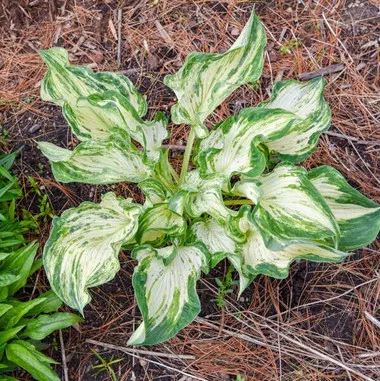
Hosta ‘Frog in My Throat’ is a fascinating and highly desirable new cultivar, known for its unique, multi-speckled variegation and dramatic color transformation throughout the season. Discovered as a white-centered sport of Hosta ‘Emperor’s New Clothes’ (which is itself a sport of the giant Hosta ‘Empress Wu’), this variety retains a bold, large-leafed heritage but in a more manageable size.
The name perfectly captures its unusual speckled appearance, which mimics the mottled, green-and-white skin of an amphibian. This hosta is a true collector’s gem, and its availability is often extremely limited.
|
Trait |
Measurement / Detail |
|
Parentage |
Sport of Hosta ‘Emperor’s New Clothes’ (grandchild of ‘Empress Wu’) |
|
Mature Height |
18 – 22 Inches |
|
Spread |
36 – 42 Inches (Forms a unique, beautiful mound) |
|
Foliage Color |
Strikingly Variegated/Multicolored |
|
Seasonal Foliage Change |
Emerges in spring with creamy-white centers, lightly speckled with green. The centers gradually accumulate more green flecking throughout the season, ensuring vigorous growth. |
|
Leaf Appearance |
Wavy and slightly twisted with a wide, dark green margin and a creamy-white center misted with green flecking. Margins show a reverse light-colored flecking pattern. |
|
Flower Color |
Near White or Purple/Lavender (Depending on source/maturity) |
|
Bloom Time |
Early Summer |
|
Growth Rate |
Medium |
|
Attracts |
Hummingbirds |
|
Rarity |
Considered Rare and Extremely Limited (Highly sought-after) |
Native Habitat
As a cultivated hybrid and sport, ‘Frog in My Throat’ does not have a native habitat. The parent genus, Hosta, is native to the woodlands of northeast Asia, including Japan, Korea, and China. This background makes all Hostas naturally suited for shady, woodland garden settings.
Planting and Cultivation
|
Requirement |
Detail |
|
Hardiness Zones |
3, 4, 5, 6, 7, 8, 9 (Extremely cold-hardy) |
|
Sunlight |
Part Shade (4-6 hrs. Direct Sun) to Full Shade (<4 hrs. Direct Sun). Dappled or high-filtered sunlight is ideal for clean, healthy growth. Avoid hot afternoon sun, which will scorch the leaves. |
|
Soil Quality |
Moist, well-drained, highly organic soil. A sandy loam is better than clay for root aeration. |
|
Soil Chemistry |
Prefers Acidic to Neutral (pH 5.5 to 7.5). |
|
Water Needs |
Average to Consistent water needs. Keep soil consistently moist but not soggy. |
|
Maintenance |
Easy to Grow once established. Mulch in northern zones to prevent winter heaving. |
Advanced Cultivation Tips
- Color Intensity: Morning sun is tolerable and can help intensify the variegated leaf colors, but strictly limit exposure to the harsh mid-day and afternoon sun.
- Fertilization: Apply a balanced, slow-release fertilizer in early spring as new shoots emerge to support vigorous leaf development.
Landscaping Design Tips
The bold variegation and large spread of ‘Frog in My Throat’ make it an ideal choice for adding drama, light, and texture to the shade garden.
Mass Planting & Edging
- Brighten Shade: Plant in massings (groups of 3 or more) to illuminate dark, shady corners or woodland borders. The creamy-white centers will appear to glow against the dark green margins.
- Border Definition: Use this medium-large variety as a dramatic border plant or specimen along a pathway edge where its unique pattern can be easily admired.
- Contrast Pairing: Combine with plants that offer a fine texture and contrasting color, such as Japanese Forest Grass (Hakonechloa), Ferns (like Athyrium ‘Lady in Red’), or dark-leaved Heuchera (Coral Bells).
Focal Point & Containers
- Specimen Plant: Due to its rarity and dramatic foliage, ‘Frog in My Throat’ is best used as a specimen or focal point in a prominent location.
- Container Gardening: It is an excellent choice for Patio Containers or decorative pots, allowing the gardener to control its soil and moisture. Its medium-large size makes it a superb Thriller in a mixed-shade planter.
Pest and Disease Management
- Slugs and Snails: Hostas are susceptible to slugs and snails, which leave telltale holes in the leaves.
- Control: Apply slug bait in early spring as new shoots emerge. Hand-picking at night with a flashlight is also effective.
- Prevention: Remove all dormant Hosta foliage from the garden in late fall/early winter to remove overwintering insect eggs.
- Deer and Rabbits: While deer and rabbits may occasionally browse, this hosta is often considered somewhat more critter-resistant than thinner-leaved varieties due to the texture and eventual green-up of the leaf center, though vigilance is still advised.
Twenty (20) plants per flat (or tray). Approximate Plug Measurements: 3.25 inches deep x 2.6 inches wide.
Click here for more ordering and shipping information
Related products
-
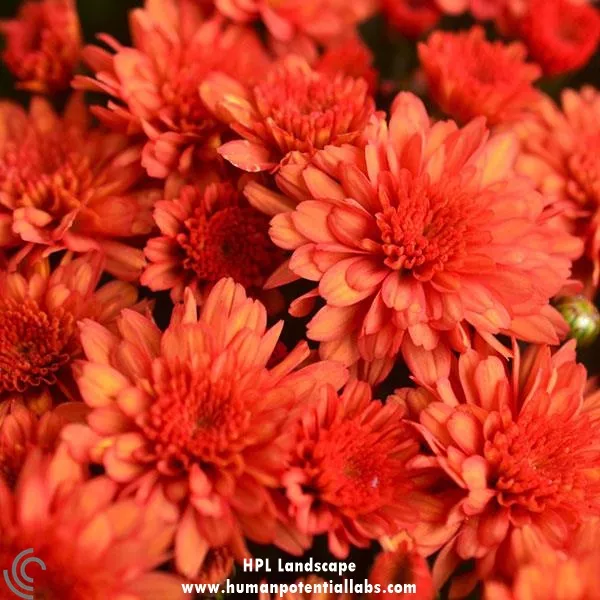
ChrysanthemumMums “Mumosa”
Original price was: $12.00.$6.69Current price is: $6.69. -
Eclipse Planter – Clay
Original price was: $8.00.$6.30Current price is: $6.30. -
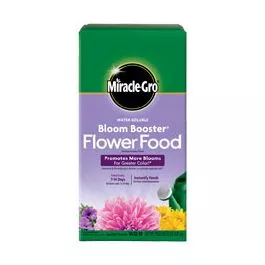
Miracle-Gro Water Soluble Bloom Booster Flower Food 4LB
Original price was: $14.39.$8.13Current price is: $8.13. -
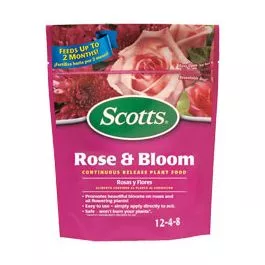
Scotts Rose & Bloom Plant Food 3lb
Original price was: $4.79.$2.99Current price is: $2.99. -
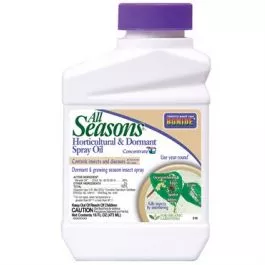
All Seasons Horticultural Spray Oil Concentrate 16oz
Original price was: $9.59.$5.97Current price is: $5.97. -
Happy Face White Potentilla
Original price was: $44.00.$23.45Current price is: $23.45. -
DicentraBleeding Heart”Gold Heart”
Original price was: $14.80.$11.05Current price is: $11.05. -
Swiss Stone Pine
Original price was: $387.99.$261.11Current price is: $261.11.