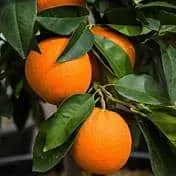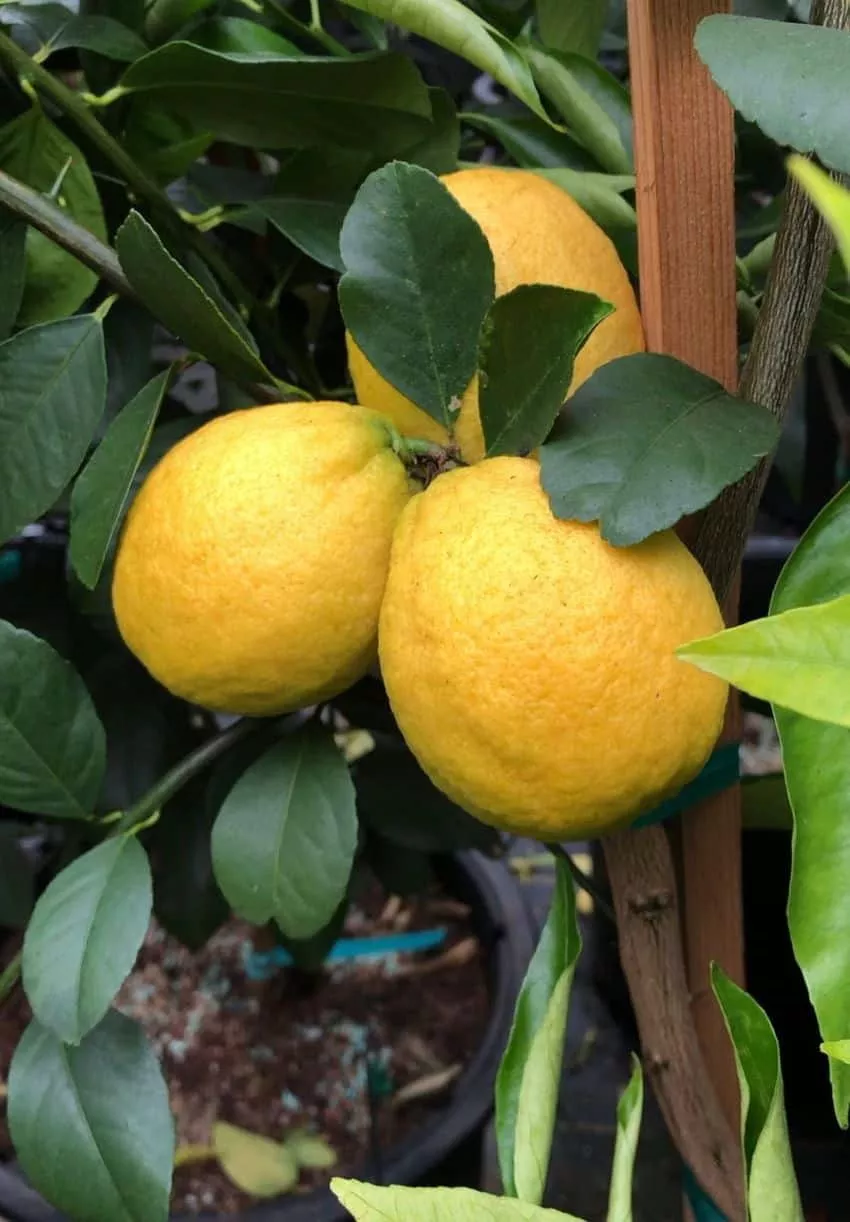
Lemon (New Zealand Lemonade)
Original price was: $47.99.$31.10Current price is: $31.10.
Description
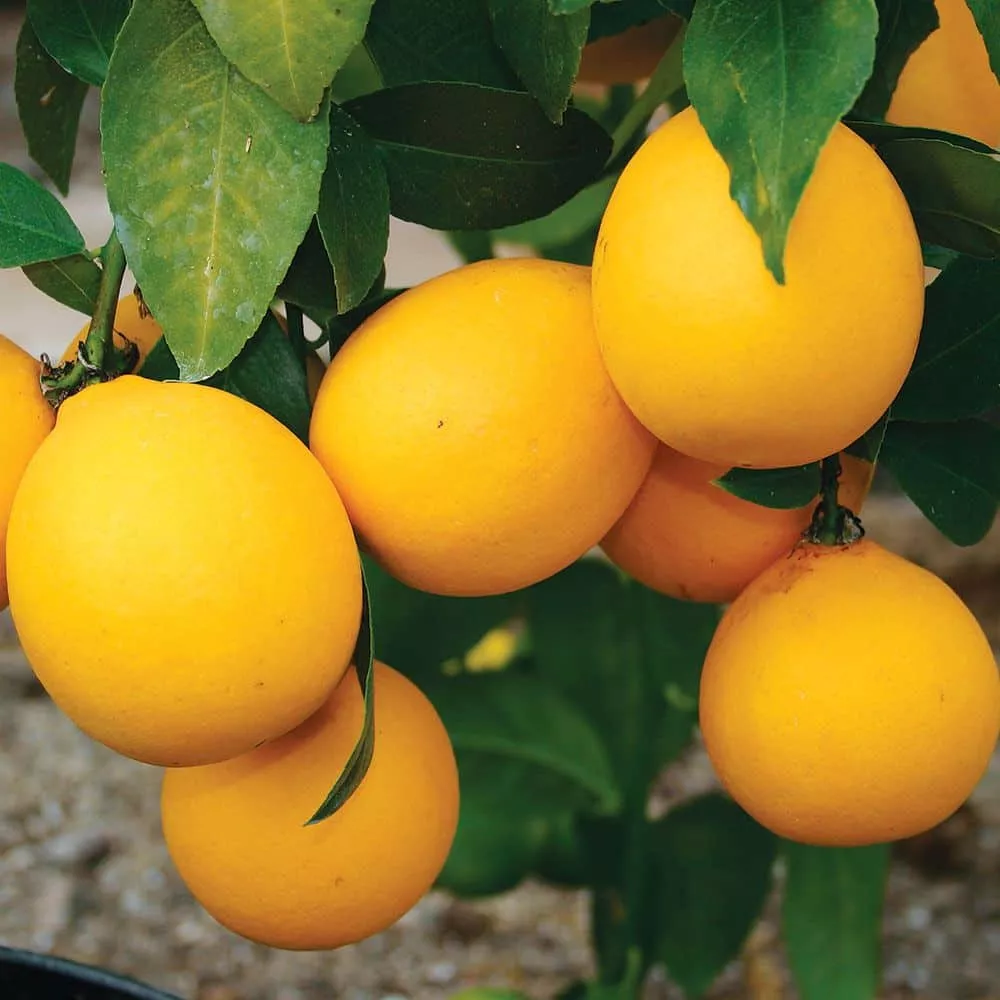
New Zealand Lemonade is not a typical lemon—and that’s exactly the point. Developed in New Zealand, this unique citrus was selected specifically for low acidity and fresh eating, making it one of the few lemon-type fruits that can be enjoyed straight off the tree.
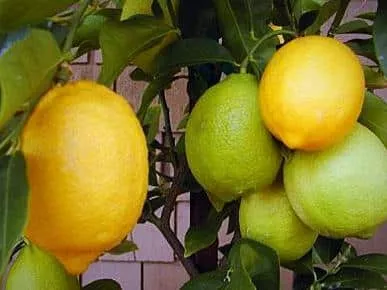
The fruit looks like a lemon but tastes noticeably sweeter and milder, with a smooth, refreshing flavor that appeals to kids and adults alike. It makes excellent fresh juice and casual snacks, but it is not intended to replace high-acid culinary lemons in cooking.
Overview
- Sweet, low-acid lemon-type citrus.
- Designed for fresh eating and mild juice.
- Very productive with dependable fruit set.
- Compact growth habit ideal for containers.
- Self-fertile.
Growing Details
Latin Name: Citrus √ó limon ’New Zealand Lemonade’Site and Soil: Full sun; well-drained soilRootstock: 1-gallon trees on Flying Dragon; larger sizes on C-35Hardiness: More cold tolerant than most lemons; mature trees may tolerate brief dips to approximately 28°F with protectionBearing Age: Often fruits immediately; grafted trees may produce in their first seasonSize at Maturity:• Flying Dragon: Typically 6–8 ft tall and wide• C-35: Typically 10–12 ft tall and wideNote: Trees grown in containers remain smaller and are easily maintained with pruning.Bloom Time: Spring through fall in warm climatesRipening Time: Fall through winter, with extended harvests in mild regionsPollination Requirements: Self-fertileSeed Content: Typically low-seedPests & Diseases: Similar to other citrus; benefits from good airflow and drainage
Additional Notes
- Grower’s Insight: This variety surprises people—it looks like a lemon but behaves more like a sweet citrus, making it incredibly approachable for fresh eating.
- Regional Insight: Performs well in mild-winter regions and excels in containers where winter protection is available in cooler climates.
Related products
-
Blood Orange (Bream Tarocco Blood)
Original price was: $127.99.$64.47Current price is: $64.47. -
Lemon (Eureka)
Original price was: $51.99.$32.32Current price is: $32.32. -
Mandarin (Owari Satsuma)
Original price was: $27.99.$20.29Current price is: $20.29. -
Lemon (Improved Meyer’s Lemon)
Original price was: $27.99.$15.13Current price is: $15.13. -
Orange (Midnight Valencia)
Original price was: $55.99.$43.39Current price is: $43.39. -
Mandarin (Shiranui)
Original price was: $35.99.$28.27Current price is: $28.27. -
Kumquat (Nordman Seedless)
Original price was: $27.99.$19.92Current price is: $19.92. -
China Satsuma S-6
Original price was: $27.99.$16.87Current price is: $16.87.