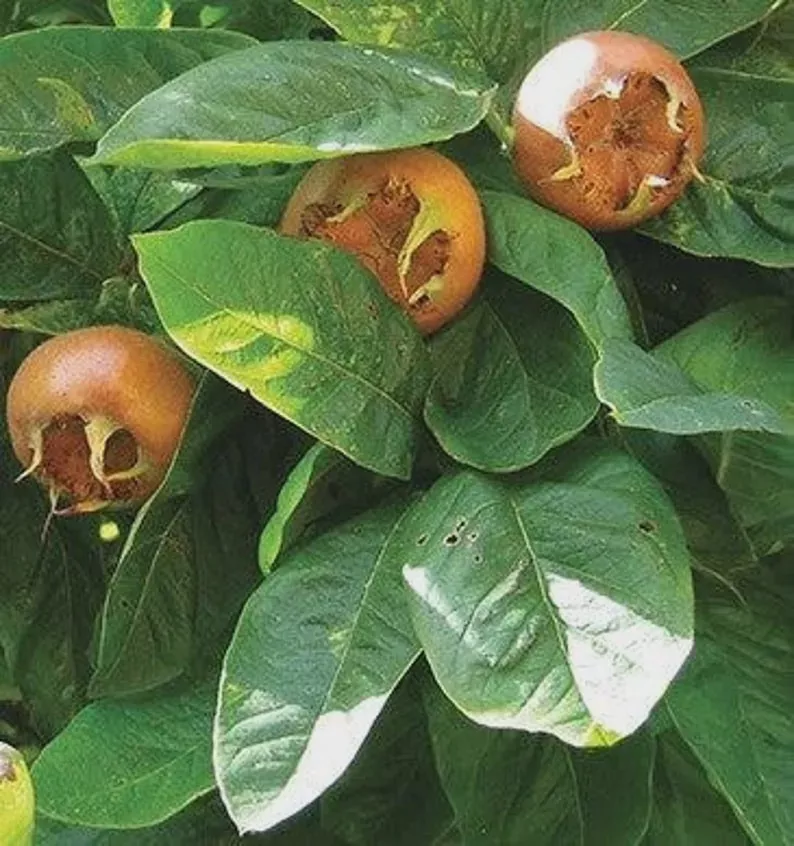
Medlar (Nèfle Tardive)
Original price was: $27.99.$20.88Current price is: $20.88.
Description
Nèfle Tardive is a French medlar selection — the name translates literally as “late medlar” — that was introduced into U.S. commerce through the USDA’s Corvallis station and has built a reliable record in the Pacific Northwest and other cool-summer regions where late-ripening fruit gets the extra finishing time the variety prefers.
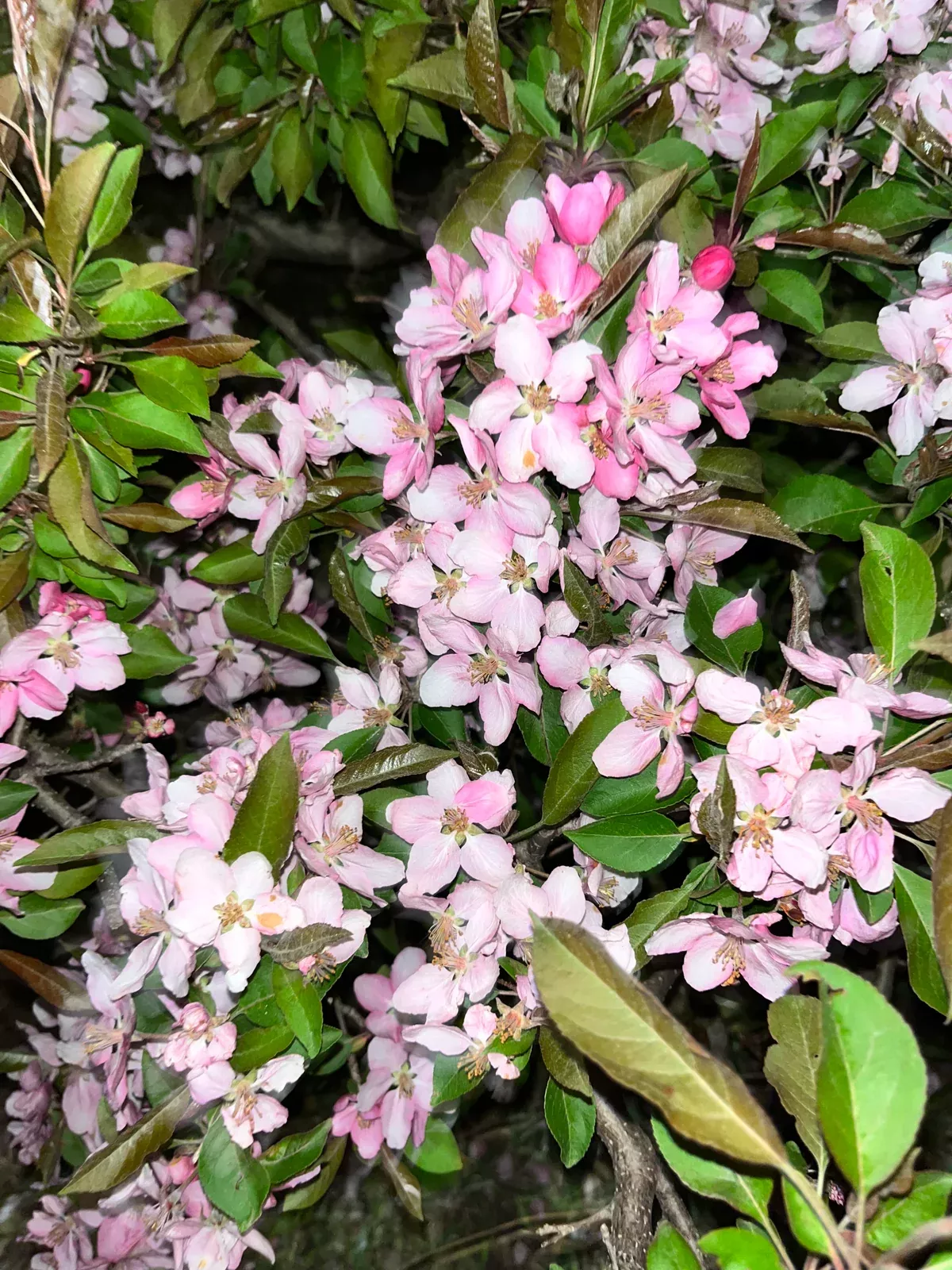
The fruit is large and dark-brown, with a creamy, applesauce-like texture and a sweet-tart flavor that develops after bletting. Harvest is later than most medlars — typically mid to late October — and fruit is then held in cool storage for several weeks until the flesh softens into the bletted state. Bletted Nèfle Tardive can be eaten fresh with a spoon, or cooked into jams, jellies, fruit butters, and medlar paste. The tree itself is smaller and more compact than most medlars at roughly 6 to 8 feet, with the species’ large white spring flowers and russet-bronze autumn foliage.
Nèfle Tardive is self-fertile and very cold-hardy — suitable across roughly USDA Zone 4–8. It prefers full to half-day sun and well-drained soil, typically begins bearing two to three years after planting on its quince rootstock, and like medlar generally is comparatively low-pressure for pests and diseases across most growing regions.
Overview
- French medlar selection introduced through the USDA Corvallis station.
- “Nèfle Tardive” — late medlar — ripens later than most varieties.
- Large, dark-brown fruit; creamy, applesauce-like texture after bletting.
- Naturally smaller and more compact at roughly 6–8 ft.
- Self-fertile; very cold-hardy, roughly USDA Zone 4–8.
- Showy white spring flowers and russet-bronze autumn foliage.
Growing Details
Latin Name: Mespilus germanica ‘Nèfle Tardive’Site and Soil: 1/2 day to full day of sun; well-drained soilHardiness: Very cold-hardy; roughly USDA Zone 4–8Rootstock: Grafted onto Provence Quince BA29C rootstockBearing Age: 2–3 years after plantingSize at Maturity: Approximately 6–8 ft tall and wide; naturally smaller than typical medlarsBloom Time: May; large white cup-shaped flowersRipening Time: Mid to late October — later than most medlars; fruit then requires bletting before eatingPollination: Self-fertilePests & Diseases: Medlar is comparatively low-pressure for pests and diseases across most growing regions
Additional Notes
- Grower’s Insight: Nèfle Tardive’s combination of late ripening, compact habit, and applesauce-textured bletted fruit makes it one of the more rewarding medlars for cool-summer gardens and for growers with limited space.
- Regional Insight: Medlar performs across a wide swath of temperate North America, and Nèfle Tardive’s cold-hardiness and late-ripening character suit it especially to northern, maritime, and cool-summer regions where the longer hang time supports good fruit development.
- Explore more medlar in our collection: Medlar
Related products
-
Spartan Apple Tree
Original price was: $47.20.$28.18Current price is: $28.18. -
Meteor Cherry Tree
Original price was: $44.00.$33.72Current price is: $33.72. -
Calville Blanc d’Hiver Apple Tree
Original price was: $32.80.$21.12Current price is: $21.12. -
Mulberry (Illinois Everbearing)
Original price was: $27.99.$20.78Current price is: $20.78. -
Whitney Crabapple Tree
Original price was: $32.80.$20.52Current price is: $20.52. -
Sansa Apple Tree
Original price was: $20.00.$11.93Current price is: $11.93. -
Cox Orange Pippin Apple Tree
Original price was: $32.80.$21.84Current price is: $21.84. -
Rhode Island Greening Apple Tree
Original price was: $47.20.$35.32Current price is: $35.32.