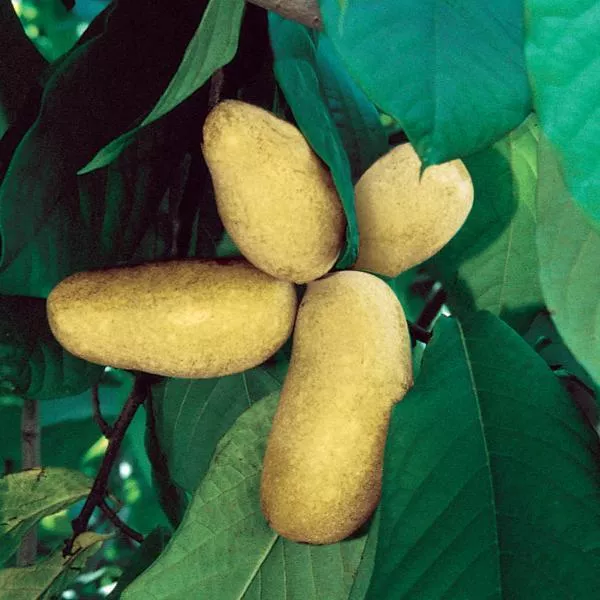
Pawpaw (Shenandoah)
Original price was: $31.99.$22.65Current price is: $22.65.
Description
Shenandoah is a Neal Peterson pawpaw selection grown for high eating quality and a notably fleshy fruit. It’s one of the better-known named pawpaws for growers who want a smooth, clean experience rather than a wild, variable one. When fully ripe, the flesh turns succulent and custardy, with sweet tropical notes often compared to banana and mango.
A key part of its appeal is the flesh-to-seed balance—Shenandoah is frequently cited around the 6–7% seed range by weight, which translates to more usable pulp per fruit. Shenandoah ripens mid-season within pawpaw varieties and has earned a reputation for consistency when grown with good sun exposure, intact roots at planting, and a compatible pollination partner nearby.
Overview
- Named pawpaw cultivar selected for eating quality and fleshiness
- Succulent, custard-like texture at full ripeness
- Mid-season within pawpaw varieties; late summer to early fall depending on region
- Low seed percentage by weight compared to many pawpaws
- Requires cross-pollination for consistent fruit set
Growing Details
Latin Name: Asimina triloba ’Shenandoah’Site and Soil: 1/2 day to full day of sun; well-drained soilChill Requirement: Not typically expressed in chill hours for pawpaws; best performance in temperate regions with warm summersHardiness: USDA Zone 5–8Rootstock: Grafted onto pawpaw rootstockBearing Age: 3–5 years after plantingSize at Maturity: Typically 15–25 ft tall and wide; can be maintained smaller with pruningBloom Time: Mid-springRipening Time: Mid-season within pawpaw varieties; late summer into early fall (varies by region)Fruit Weight: Up to ~16 oz (reported). More commonly ~5–8 oz per fruit (varies by site, crop load, and season)Seed Content: Approximately ~6–7% by weight (varies by season)Texture Class: Succulent, custardy; medium-firm and creamy at full ripenessPollination: Pollination required; plant a genetically distinct pawpaw within 20–30 feetPests & Diseases: Generally low disease pressure under good airflow and moisture managementYield: Moderate to good once established with proper pollination
Additional Notes
- Grower’s Insight: Shenandoah is often chosen for its pulp payoff—low seed content and a smooth texture make it especially satisfying once fruit reaches full softness.
- Regional Insight: In cool-summer regions like the Puget Sound, prioritize maximum sun exposure to support steady establishment and fruit sizing.
- Harvest fruit only when fully ripe; underripe pawpaws will not develop full texture or flavor.
- Fruit is delicate and highly perishable—handle gently and plan to use soon after harvest.
- Explore more pawpaw varieties in our collection: Pawpaw Trees
Related products
-
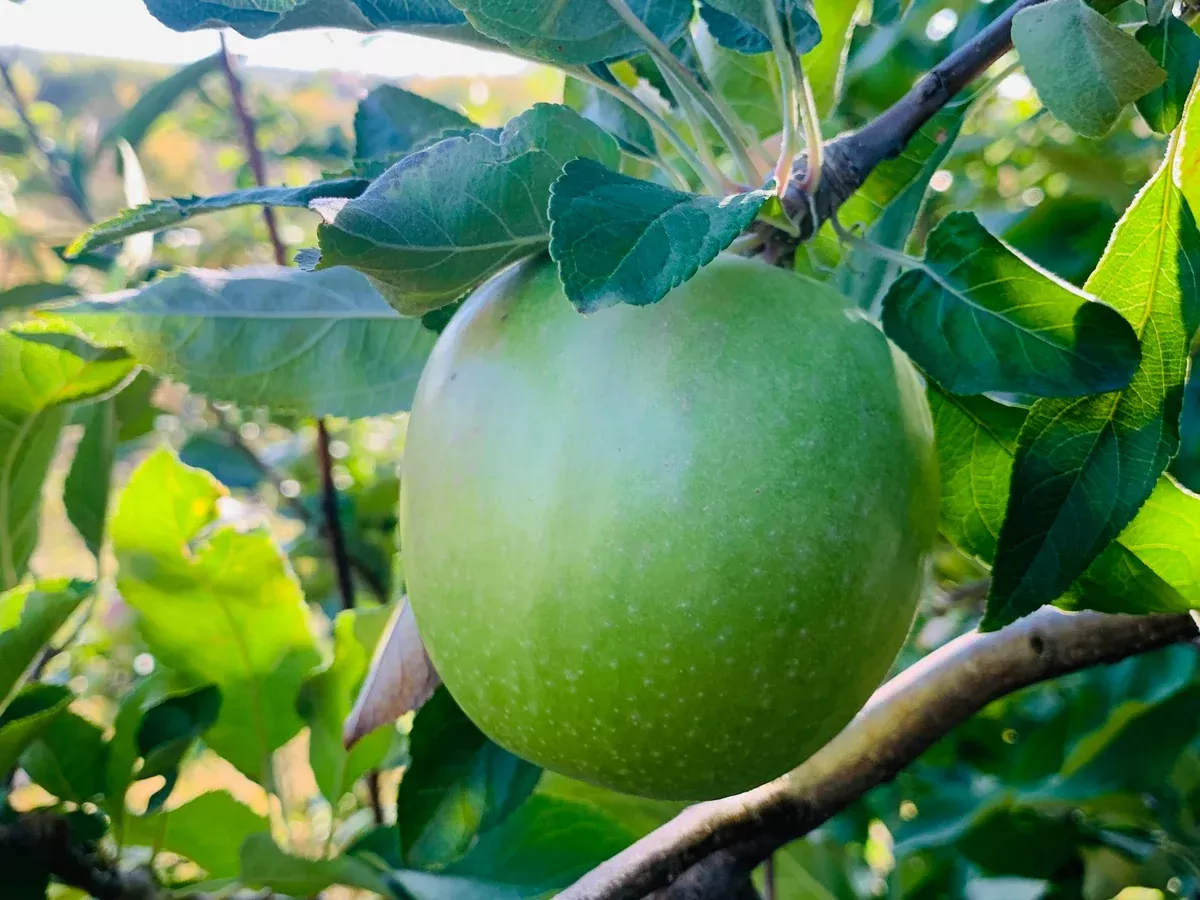
Granny Smith Apple Trees
Original price was: $32.80.$19.16Current price is: $19.16. -
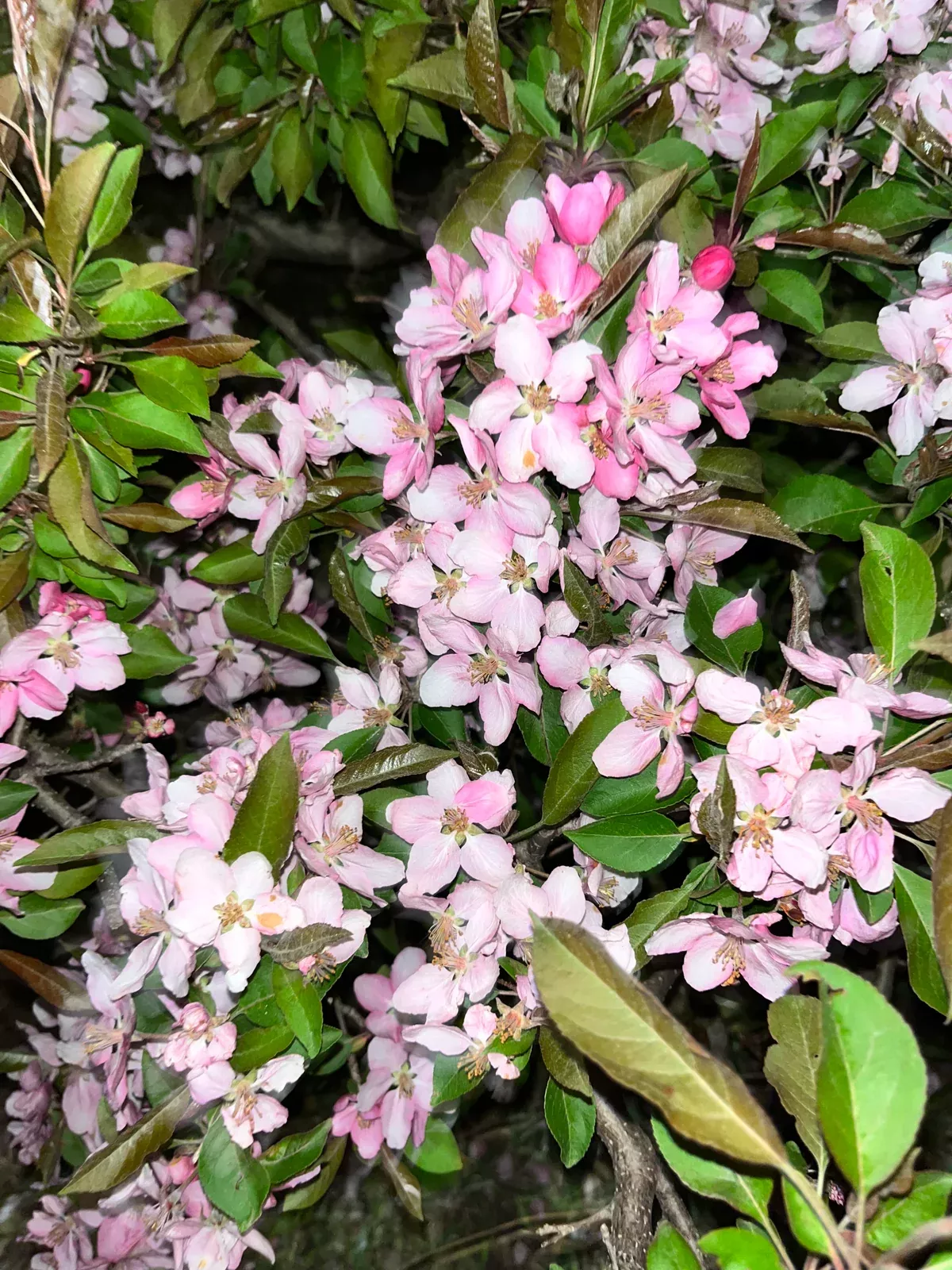
Whitney Crabapple Tree
Original price was: $32.80.$20.52Current price is: $20.52. -
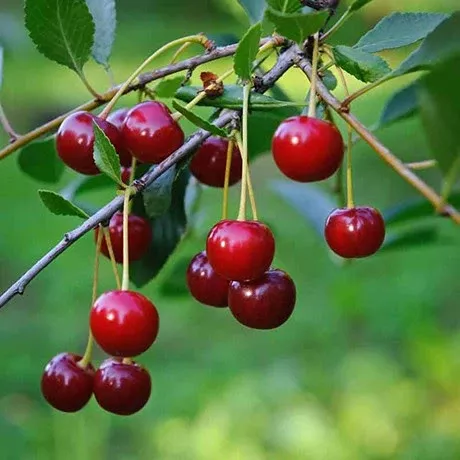
Meteor Cherry Tree
Original price was: $44.00.$33.72Current price is: $33.72. -
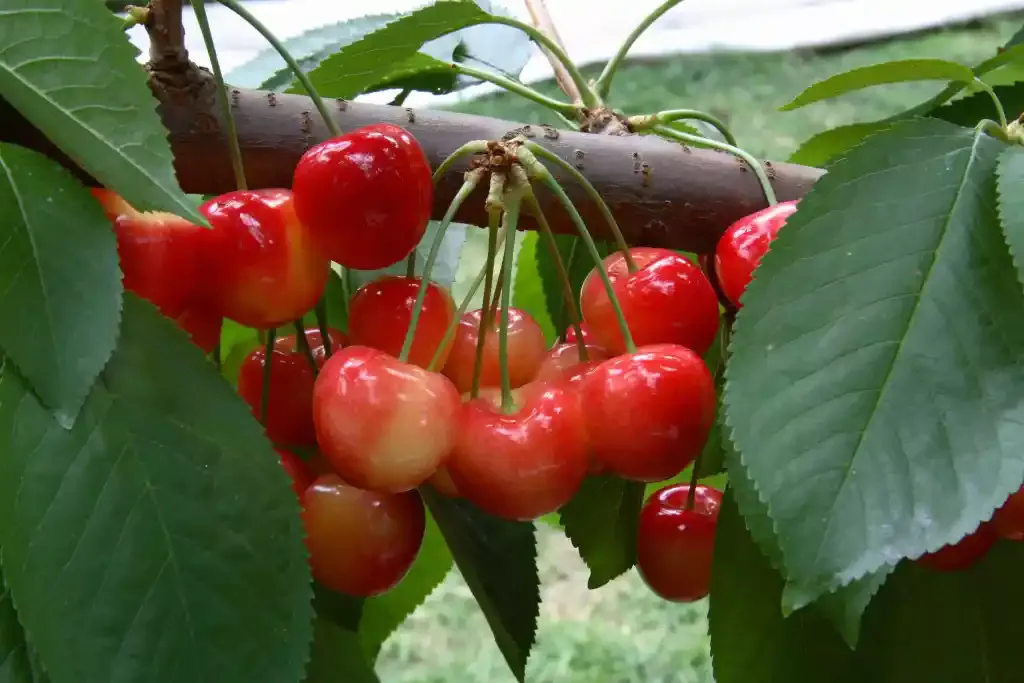
Cherry Tree (Rainier)
Original price was: $31.99.$22.88Current price is: $22.88. -
Black Twig Apple Tree
Original price was: $32.80.$25.94Current price is: $25.94. -
Spartan Apple Tree
Original price was: $47.20.$28.18Current price is: $28.18. -
Quince (Kuganskaya)
Original price was: $27.99.$18.63Current price is: $18.63. -
Calville Blanc d’Hiver Apple Tree
Original price was: $32.80.$21.12Current price is: $21.12.