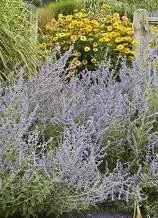
Perovskia atriplicifolia (25) BR Plants
Original price was: $165.11.$123.23Current price is: $123.23.
Description
Product Description
Perovskia atriplicifolia (25) Bare Root PlantsFamily: Lamiaceae/Labiatae (mint Family); Common name: Russian Sage.
Airy spikes of lavender-blue, tubular flowers top strong stems with small, finely dissected, silvery-green leaves provides two or three months of flowers in late summer and autumn. Its loose, open habit makes this perennial an effective filler in the back of the border.
A perfect perennial for hot, dry climates and also exceptionally cold hardy. Perovskia can be used in a wide variety of environments with little attention through the season – a reason they have long been a staple of landscapers. Expect these plants to be a little later to emerge in spring, but also to offer color well into fall.
1995 Perennial Plant Association Plant of the Year!
Height: 36.0-48.0 InchesSpread: 20.0-30.0 InchesHardiness Zones: 4,5,6,7,8,9Flower Color: Purple-blue shadesFoliage Color: Green shadesFull Sun (> 6 hrs. Direct Sun)Low t0 Average Water NeedsPoor to Fertile Soil QualityBloomtime: Late Summer – Mid FallAttracts HummingbirdsDeer ResistantSeasonal Interest: Dried Seed HeadsGrowth Rate: Medium
Border Plant, Cut Flower, Cut Foliage, Dried Flower, Drought Tolerant, Easy To Grow, Fragrant Flowers, Fragrant, Foliage, Mass Planting, Salt Tolerant, Perovskia atriplicifolia’s foliage appeal continues through winter.
Perovskia atriplicifolia, commonly known as Russian sage, is a beautiful and versatile plant that adds a touch of silvery-blue elegance to gardens. Here is what you need to know about it:
Appearance:
- Flowers: It produces masses of small, lavender-blue flowers that are arranged in airy, branched panicles. These blooms appear from mid-summer to fall, providing a long-lasting display of color.
- Foliage: The plant features finely dissected, aromatic, gray-green leaves that have a soft, fuzzy texture. The foliage releases a sage-like scent when crushed, hence the common name “Russian sage.”
- Stems: It has upright, silvery-gray stems that add to its overall aesthetic appeal.
Growing Conditions:
- Hardiness Zones: It thrives in USDA hardiness zones 4 to 9, making it adaptable to a wide range of climates.
- Sunlight: It prefers full sun, which means at least 6 hours of direct sunlight per day.
- Soil: It requires well-drained soil and is tolerant of various soil types, including sandy, loamy, and clay soils. However, it is crucial to avoid waterlogged conditions.
- Water: Once established, it is drought-tolerant and requires minimal watering. Overwatering can lead to root rot.
Care:
- Fertilizing: It generally does not require heavy fertilization. A light application of a balanced fertilizer in spring is sufficient.
- Pruning: In late winter or early spring, cut back the plant almost to the ground to encourage bushier growth and abundant flowering.
- Mulching: Applying a layer of mulch around the plant can help retain moisture, suppress weeds, and protect the plant during harsh winters.
Benefits:
- Long bloom time: It provides a long-lasting display of color, extending the garden’s beauty from mid-summer to fall.
- Drought tolerant: Once established, it can withstand dry conditions, making it a low-maintenance option for water-wise gardens.
- Deer and rabbit resistant: It is generally not preferred by deer and rabbits, making it a good choice for gardens where these animals are a concern.
- Attracts pollinators: Its flowers attract bees, butterflies, and other beneficial insects.
Uses:
- Borders: It adds vertical interest and a soft, airy texture to garden borders.
- Cottage gardens: Its informal appearance blends well with the relaxed style of cottage gardens.
- Xeriscaping: Its drought tolerance makes it ideal for xeriscaping, a landscaping technique that minimizes water usage.
- Containers: It can also be grown in containers, allowing you to enjoy its beauty on patios and balconies.
Companion Plants:
- Echinacea (Coneflower): The contrasting colors and textures of coneflowers and Russian sage create a visually appealing combination.
- Rudbeckia (Black-eyed Susan): The bright yellow flowers of Rudbeckia complement the lavender-blue blooms of Russian sage.
- Ornamental grasses: Ornamental grasses add movement and texture to the garden while complementing the upright form of Russian sage.
Overall, Perovskia atriplicifolia is a beautiful, low-maintenance, and beneficial plant that can enhance any garden. Its long bloom time, drought tolerance, and ability to attract pollinators make it a valuable addition to various garden styles.
Mature field grown plant shipped bare root.
Click here for more ordering and shipping information.
Related products
-
Scotts Rose & Bloom Plant Food 3lb
Original price was: $4.79.$2.99Current price is: $2.99. -
Scotts Evergreen, Flowering Tree, & Shrub Plant Food 3lb
Original price was: $4.79.$2.40Current price is: $2.40. -
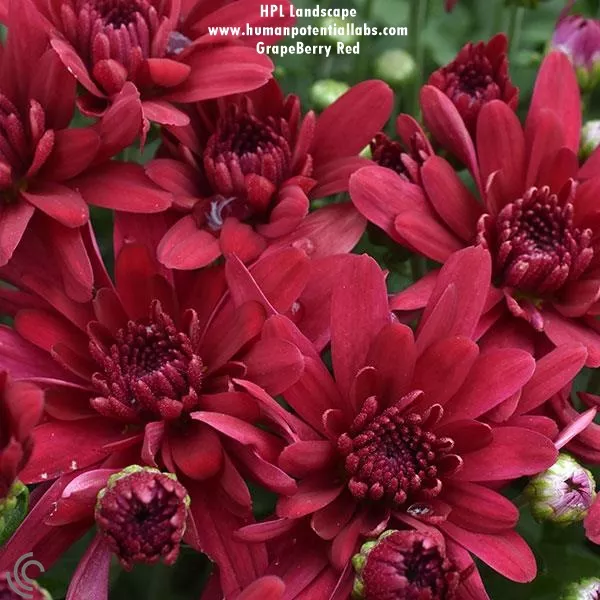
ChrysanthemumsMums “Grapeberry Red”
Original price was: $12.00.$9.03Current price is: $9.03. -
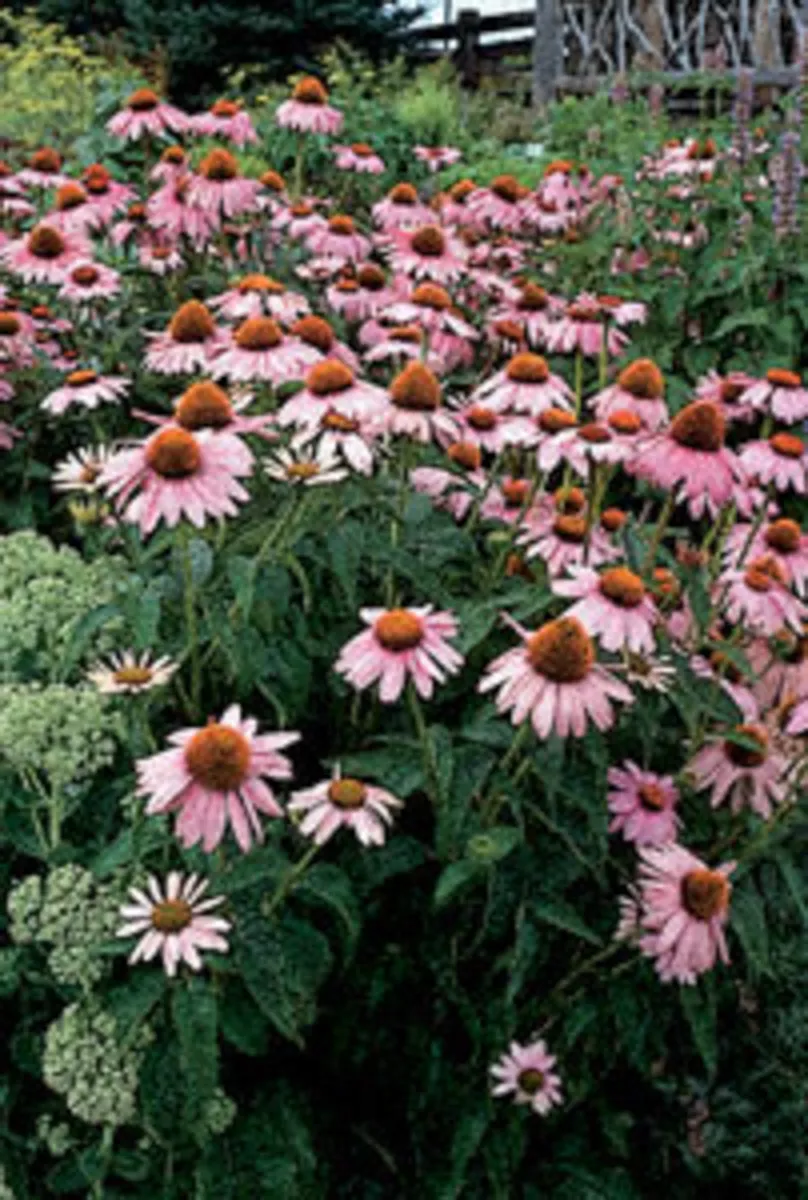
Magnus Superior Purple Coneflower
Original price was: $12.00.$8.06Current price is: $8.06. -
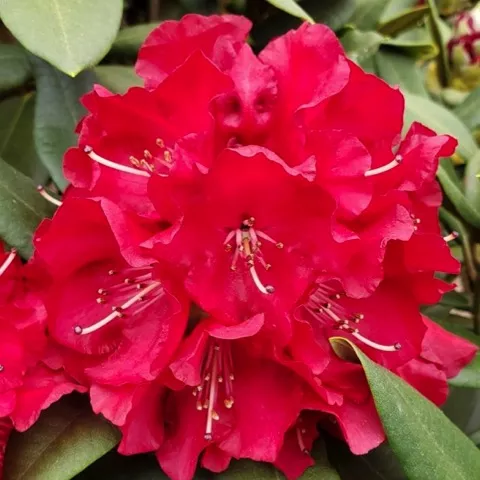
Skookum Rhododendron
Original price was: $80.00.$51.48Current price is: $51.48. -
Miracle-Gro Potting Mix 2 Cu Ft
Original price was: $14.39.$10.35Current price is: $10.35. -
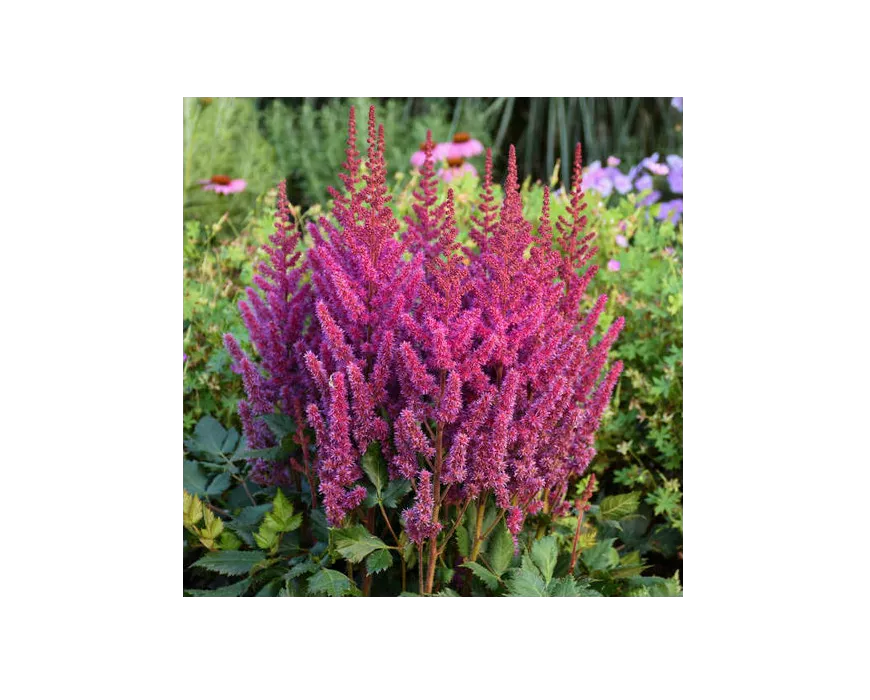
Visions Astilbe
Original price was: $12.00.$7.31Current price is: $7.31. -
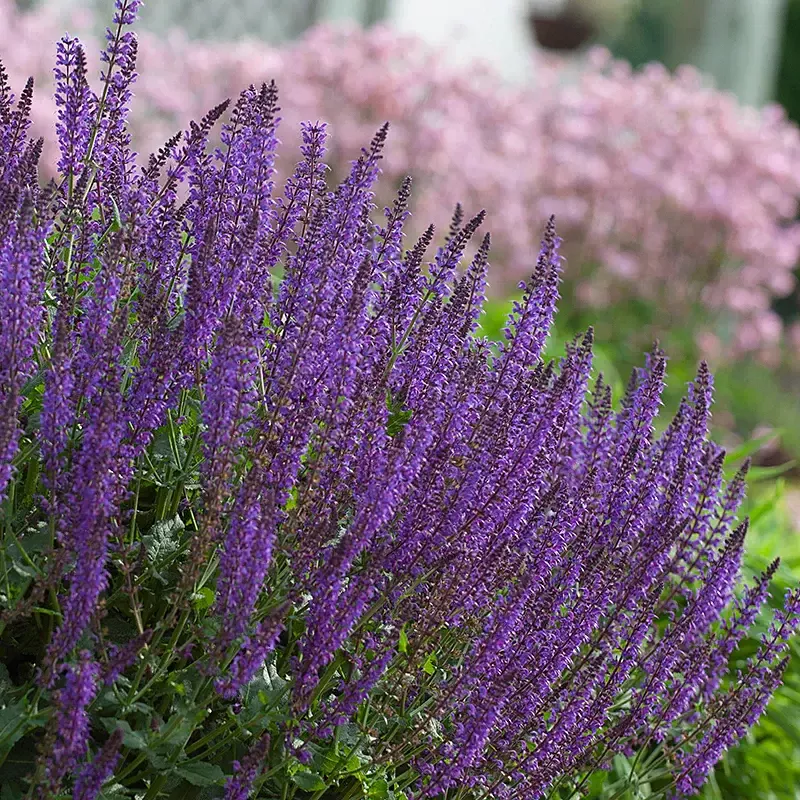
SalviaPerennial Salvia “May Night”
Original price was: $11.60.$8.27Current price is: $8.27.