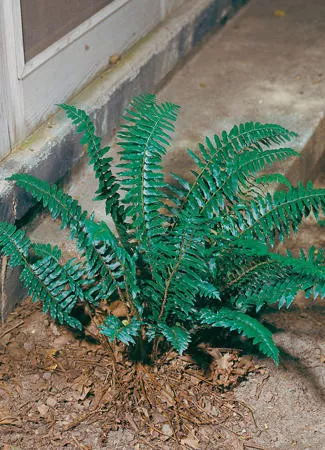
Polystichum acrostichoides (3.5 inch pot)
Original price was: $4.78.$3.65Current price is: $3.65.
Description
Product Description
Polystichum acrostichoides (3.5-inch pot)Common Name: Christmas Fern, evergreen fern, stocking fern
- Height: 12-24 Inches
- Spread: 12-24 Inches
- Hardiness Zone: 3-9
- Part Shade to Shade
- Evergreen
- Native to Eastern U.S.
- Clumping habit
- Sword shaped, leathery fronds
- Tolerates dry to moist soil
Polystichum acrostichoides, commonly known as Christmas fern, is a perennial, evergreen fern that is native to eastern North America. It is a member of the Dryopteridaceae.
Christmas ferns grow to a height of 1-2 feet in a clumping habit. Leathery, lance-shaped fronds are up to 18 inches long. The fronds are dark green in color and have a sword shape appearance. The name “Christmas fern” derives from the evergreen fronds, which are often still green at Christmas. Young fiddleheads in spring have a silver sheen.
Easy to grow in organically rich, dry to medium moisture, well-drained soils in part shade to full shade. Ideal location is light shade and moist acidic to slightly alkaline soil. Clumps expand by rhizomes but will not spread by rhizomes.
Evergreen through the winter, Christmas Fern has been used for Christmas decorations, as the pinnae looks like small Christmas stockings.
Use in mass plantings for erosion control, as border plants, along foundations and walls. Do not trim old fronds until they turn brown. Tough and adaptable Christmas Fern is a native fern that can be found on wooded slopes, banks and ravines throughout the eastern United States. Leaves can be used in cut flower arrangements.
Polystichum acrostichoides, more commonly known as the Christmas fern, is a beautiful and reliable evergreen fern native to eastern North America. It is a popular choice for adding texture and greenery to shady gardens. Here is a closer look at its features:
Appearance and Characteristics:
- Evergreen Fronds: The Christmas fern boasts lush, leathery, lance-shaped fronds that remain green throughout the year, providing year-round interest. This evergreen nature is where it gets its common name, as the fronds were often used for Christmas decorations.
- Clumping Growth Habit: It grows in a clumping, fountain-like habit, with fronds arising from a central crown. While it can form colonies over time, it is not considered an aggressive spreader.
- Distinctive Pinnae: The individual leaflets (pinnae) along the frond have a distinctive shape, somewhat resembling a Christmas stocking, further contributing to its name.
- Fertile Fronds: The fertile fronds, which produce spores, are slightly different in appearance from the sterile fronds. They are often taller and have narrower pinnae at the top where the spores are located.
Growing Conditions:
- Shade Lover: Christmas ferns thrive in partial to full shade. They are ideal for woodland gardens, under trees, or in other shady areas.
- Moist, Well-Drained Soil: They prefer moist, well-drained soil that is rich in organic matter. However, they can tolerate some drier conditions once established.
- Hardiness Zones: They are typically hardy in USDA zones 3-9, making them adaptable to a wide range of climates.
Uses in Landscaping:
- Groundcover: Christmas ferns can be used as a groundcover in shady areas, creating a lush and textured carpet.
- Accent Plant: They can also be used as accent plants in shady borders or woodland gardens, adding a touch of elegance and greenery.
- Naturalizing: They are excellent for naturalizing in woodland settings, where they can create a beautiful and low-maintenance groundcover.
Benefits:
- Year-round Interest: The evergreen fronds provide year-round interest, even in winter.
- Low Maintenance: Once established, they require minimal care.
- Deer Resistant: Deer tend to avoid eating Christmas ferns.
- Erosion Control: They can help to stabilize slopes and prevent erosion.
Potential Drawbacks:
- Can be Slow to Establish: It may take some time for Christmas ferns to become fully established.
- Susceptible to Crown Rot: In poorly drained soils, they can be susceptible to crown rot.
Additional Tips:
- Planting: The best time to plant Christmas ferns is in the spring or fall.
- Spacing: Space plants about 18-24 inches apart to allow for growth.
- Maintenance: Remove any dead or damaged fronds as needed.
Overall, the Christmas fern is a beautiful and reliable choice for adding texture and greenery to shady gardens. Its evergreen fronds, low-maintenance requirements, and deer resistance make it a popular choice for gardeners of all skill levels.
Click here for more ordering and shipping information.
Related products
-
Magnus Superior Purple Coneflower
Original price was: $12.00.$8.06Current price is: $8.06. -
Swiss Stone Pine
Original price was: $387.99.$261.11Current price is: $261.11. -
PowWow Wildberry Coneflower
Original price was: $12.00.$6.29Current price is: $6.29. -
Miracle-Gro Water Soluble All Purpose Plant Food 4LB
Original price was: $8.00.$5.18Current price is: $5.18. -
Scotts Rose & Bloom Plant Food 3lb
Original price was: $4.79.$2.99Current price is: $2.99. -
Miracle-Gro Water Soluble All Purpose Plant Food 1LB
Original price was: $7.19.$3.96Current price is: $3.96. -
Scotts Evergreen, Flowering Tree, & Shrub Plant Food 3lb
Original price was: $4.79.$2.40Current price is: $2.40. -
Miracle-Gro Water Soluble Rose Food 1.5lb
Original price was: $7.99.$5.01Current price is: $5.01.