Polystichum acrostichoides (bare root plant)
Original price was: $3.38.$2.44Current price is: $2.44.
Description
Product Description
Polystichum acrostichoides Bare Root PlantsCommon Name: Christmas Fern, evergreen fern, stocking fern
- Height: 12-24 Inches
- Spread: 12-24 Inches
- Hardiness Zone: 3-9
- Part Shade to Shade
- Evergreen
- Native to Eastern U.S.
- Clumping habit
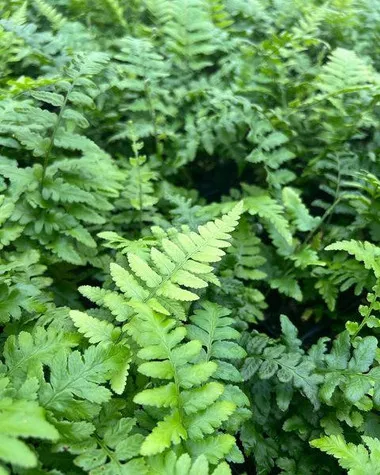
- Sword shaped, leathery fronds
- Tolerates dry to moist soil
Polystichum acrostichoides, commonly known as Christmas fern, is a perennial, evergreen fern that is native to eastern North America. It is a member of the Dryopteridaceae.
Christmas ferns grow to a height of 1-2 feet in a clumping habit. Leathery, lance-shaped fronds are up to 18 inches long. The fronds are dark green in color and have a sword shape appearance. The name “Christmas fern” derives from the evergreen fronds, which are often still green at Christmas. Young fiddleheads in spring have a silver sheen.
Easy to grow in organically rich, dry to medium moisture, well-drained soils in part shade to full shade. Ideal location is light shade and moist acidic to slightly alkaline soil. Clumps expand by rhizomes but will not spread by rhizomes.
Evergreen through the winter, Christmas Fern has been used for Christmas decorations, as the pinnae looks like small Christmas stockings.
Use in mass plantings for erosion control, as border plants, along foundations and walls. Do not trim old fronds until they turn brown. Tough and adaptable Christmas Fern is a native fern that can be found on wooded slopes, banks and ravines throughout the eastern United States. Leaves can be used in cut flower arrangements.
Bring the timeless beauty of the forest to your garden with the Christmas fern!
Polystichum acrostichoides, commonly known as the Christmas fern, is a beloved native evergreen fern that graces woodlands and gardens with its lush, leathery fronds. This adaptable and low-maintenance fern forms attractive clumps of dark green foliage that remain vibrant throughout the year, providing a welcome touch of greenery even in the depths of winter. Its common name stems from the fact that its fronds were often used for Christmas decorations by early settlers. The Christmas fern is a wonderful addition to shade gardens, woodland settings, or any area where you desire a touch of natural elegance.
- Type: Evergreen fern
- Mature Height: 1-2 feet
- Spread: 1-2 feet, slowly expands by rhizomes
- Sunlight: Part shade to full shade
- Soil Type: Moist, well-drained, rich in organic matter
- Hardiness Zones: 3-9 (USDA)
- Foliage: Dark green, leathery, lance-shaped fronds
- Deer Resistant: Yes
- Drought Tolerant: Moderately drought tolerant once established
Planting Bare Roots:
- Timing: The best time to plant bare root Christmas ferns is in early spring or fall, when temperatures are cooler.
- Preparation: Choose a location with part shade to full shade and moist, well-drained soil. Clear the area of weeds and debris. Amend the soil with compost or other organic matter to improve drainage and fertility if needed.
- Soaking: Soak the bare roots in a bucket of water for 1-2 hours before planting. This rehydrates them and helps them establish more quickly.
- Planting: Dig holes slightly larger than the root system, spacing plants about 18-24 inches apart. Place the bare roots in the holes, ensuring the crown (where the roots meet the fronds) is level with the soil surface.
- Covering: Fill the holes with soil, gently firming around the plants.
- Watering: Water thoroughly after planting and keep the soil consistently moist until the plants are established.
Care of Established Plants:
- Watering: Once established, Christmas ferns are moderately drought-tolerant. Water during prolonged dry spells, especially in the first year.
- Fertilizing: Ferns generally do not require heavy fertilization. A light application of a balanced fertilizer in early spring can be beneficial.
- Mulching: A light layer of mulch can help retain moisture, suppress weeds, and protect the roots in winter.
- Trimming: In late winter or early spring, before new growth begins, trim back any dead or damaged fronds to tidy up the appearance.
- Division: As Christmas ferns spread, you may need to divide clumps to control their growth or propagate new plants. This is best done in spring or fall. Simply dig up a section of the plant and gently separate the rhizomes.
- Pest and Disease: Christmas ferns are generally pest and disease resistant. However, watch for slugs or snails.
Benefits of Christmas Fern:
- Evergreen Foliage: Provides year-round interest and winter greenery.
- Low Maintenance: Requires minimal care once established.
- Deer Resistant: Deer tend to avoid eating ferns.
- Erosion Control: Helps to stabilize slopes and prevent soil erosion.
- Natural Beauty: Adds a touch of woodland charm to the garden.
Order your bare root Christmas ferns today and enjoy the enduring beauty of these native ferns in your landscape!
Mature field grown plant shipped bare root.
Click here for more ordering and shipping information.
Related products
-
ChrysanthemumsMums “Grapeberry Red”
Original price was: $12.00.$9.03Current price is: $9.03. -
Screened Mushroom Compost (Per Yard)
Original price was: $43.99.$24.41Current price is: $24.41. -
Skookum Rhododendron
Original price was: $80.00.$51.48Current price is: $51.48. -
Magnus Superior Purple Coneflower
Original price was: $12.00.$8.06Current price is: $8.06. -
Visions Astilbe
Original price was: $12.00.$7.31Current price is: $7.31. -
Miracle-Gro Shake ‘n Feed All Purpose 4.5lb
Original price was: $12.79.$8.13Current price is: $8.13. -
Scotts Rose & Bloom Plant Food 3lb
Original price was: $4.79.$2.99Current price is: $2.99.