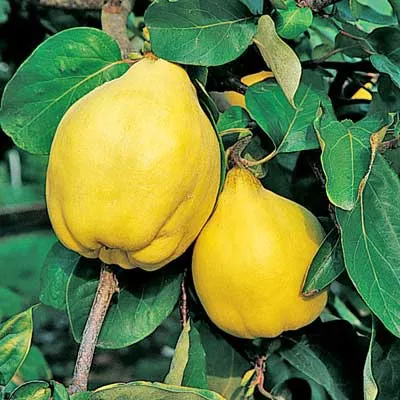
Quince (Van Deman)
Original price was: $27.99.$18.93Current price is: $18.93.
Description
Van Deman was selected by Luther Burbank from extensive seedling trials in the early 1890s and named in honor of Dr. H.E. Van Deman, the first U.S. Pomologist with the USDA. It remains one of the few late-19th-century American quince selections still in active production, which says something about how well the cultivar has held up over more than a century of use in home orchards and small commercial plantings.
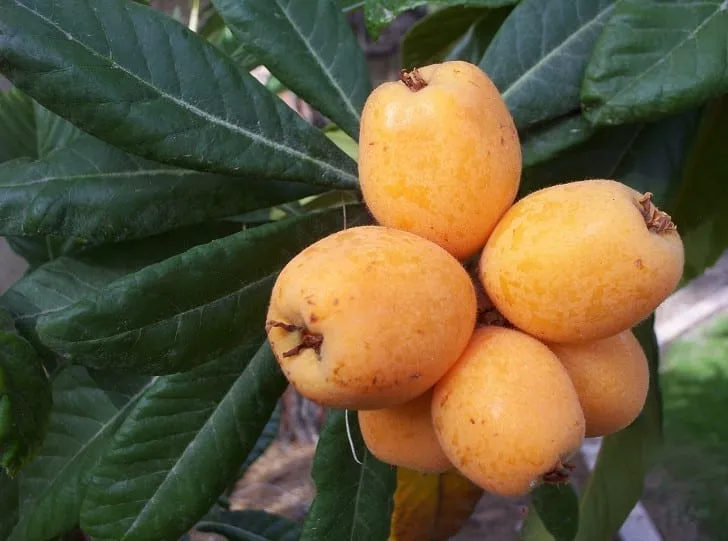
The fruit is large, waxy yellow-orange, and oblong to pear-shaped, with pale yellow flesh and the strong aromatic-spicy quince character that the cultivar is known for — “spicy” here meaning the warm spice-rack aromatics typical of cooking quince rather than any heat. It cooks beautifully into preserves, jellies, sauces, and baked goods, where quince’s natural pectin helps set jellies and pastes and the aromatics carry through cooking and storage. In spring the tree carries the species’ characteristic pink-and-white cup-shaped flowers, and the overall form is a small, spreading ornamental.
Van Deman is self-fertile, productive at maturity, and noted as one of the more cold-hardy quince selections — hardy to roughly USDA Zone 5 with good siting. It is among the earlier-ripening varieties, which makes it a useful choice in regions where shorter or cooler fall seasons can leave later cultivars short of full ripening. Like quince generally, it appreciates a sheltered, well-drained position and benefits from attention to fire blight pressure where that disease is active.
Overview
- Heritage American quince — Luther Burbank selection, early 1890s.
- Named in honor of Dr. H.E. Van Deman, first U.S. Pomologist.
- Large, waxy yellow-orange fruit with aromatic, spicy quince character.
- Excellent for preserves, jellies, sauces, and baking.
- Noted for cold-hardiness; among the earlier-ripening quince varieties.
- Self-fertile; productive at maturity.
Growing Details
Latin Name: Cydonia oblonga ‘Van Deman’Site and Soil: 1/2 day to full day of sun; well-drained soilHardiness: Roughly USDA Zone 5–9 with good siting; noted as one of the more cold-hardy quince selectionsRootstock: Grafted onto quince rootstockBearing Age: 2–3 years after plantingSize at Maturity: Approximately 10–12 ft tall and wide; small, spreading ornamental formBloom Time: Spring; pink-and-white cup-shaped flowersRipening Time: Among the earlier-ripening quince varieties; typically SeptemberPollination: Self-fertilePests & Diseases: Quince is generally low-pressure for pests in most regions; fire blight can affect quince in areas where the disease is active and may require routine management in those regions
Additional Notes
- Grower’s Insight: Van Deman is firmly a cooking quince — the aromatic-spicy character cooks down beautifully into preserves and baked goods rather than reading as a fresh-eating fruit, and the variety’s combination of early ripening, productivity, and cold-hardiness is what has kept it in circulation for more than a century.
- Regional Insight: Quince performs well across a wide swath of temperate North America, and Van Deman’s cold-hardiness and earlier ripening extend its useful range further into northern, short-summer, and cool-summer regions; in areas with active fire blight pressure (parts of the East, Midwest, and South), siting for good airflow and routine management help keep the disease in check.
- Explore more quince in our collection: Quince
Related products
-
Calville Blanc d’Hiver Apple Tree
Original price was: $32.80.$21.12Current price is: $21.12. -
Fig Tree (Desert King)
Original price was: $15.99.$10.12Current price is: $10.12. -
Black Twig Apple Tree
Original price was: $32.80.$25.94Current price is: $25.94. -
Spartan Apple Tree
Original price was: $47.20.$28.18Current price is: $28.18. -
Loquat (Gold Nugget)
Original price was: $31.99.$17.58Current price is: $17.58. -
Rhode Island Greening Apple Tree
Original price was: $47.20.$35.32Current price is: $35.32. -
Cox Orange Pippin Apple Tree
Original price was: $32.80.$21.84Current price is: $21.84. -
Champagne Apple Tree
Original price was: $32.80.$24.28Current price is: $24.28.