Rubus calycinoides (3.5 inch pot)
Original price was: $3.79.$2.39Current price is: $2.39.
Description
Product Description
Rubus hayata-koidzumii is better known (incorrectly) as Rubus calcinoides.(3.5-inch pot)Common names: Creeping Raspberry, Crinkle-leaf Creeper, Taiwanese Creeping Rubus, Creeping Bramble, and Emerald Carpet.
- Height: 2 Inches
- Spread: 18-24 Inches
- Hardiness Zone: 6-10
- Sun to Part Shade
- Foliage provides textural interest
Rubus hayata-koidzumii, commonly known as Rubus calcinoides, creeping raspberry, crinkle-leaf creeper, or Taiwanese creeping bramble, is a low-growing, evergreen perennial plant that is native to Taiwan. It is a member of the rose family (Rosaceae).
Creeping raspberry grows to a height of 6-12 inches and spreads to a width of 24-36 inches. Rubus provides textural interest in the landscape with its dark green, puckered or crinkled, 1½” leaves. Leaves may turn burgundy red in the Winter. Small white flowers appear in spring followed by small, yellow-orange berries. Fruit is edible and tasty, but tiny, so leave them for the birds. Rubus is evergreen in the Southern zones but can be semi-evergreen in Zones 6-7.
Durable, fast-growing evergreen groundcover that takes sun or shade. Creeping raspberry prefers moist, well-drained soil and partial shade. Rubus makes a good ground cover in hot, dry areas with ample water and well-drained soil.
The thick, coarse-textured, dark green foliage adorns stem runners that root as they creep along the ground and spreads in all directions. Creeping raspberry is aggressive, but not invasive. It doesn’t climb trees or smother shrubs. Easily control it with mechanical edging. A light trimming in late winter will encourage new growth in spring.
Rubus hayata-koidzumii, also known as the creeping raspberry or crinkle-leaf creeper, is a versatile and vigorous groundcover that offers unique texture and seasonal interest. Here is a breakdown of its key features:
Appearance and Characteristics:
- Creeping Habit: As its name suggests, this raspberry relative has a creeping growth habit, spreading by runners that root along the ground. This allows it to form a dense mat that effectively covers bare soil and suppresses weeds.
- Crinkled Foliage: The deep green leaves are distinctively crinkled or wrinkled, adding a captivating textural element to the landscape. The foliage remains evergreen in mild climates, providing year-round interest.
- Seasonal Color Changes: In autumn, the leaves often take on attractive bronze or reddish hues, adding a touch of warm color to the fall garden.
- Flowers and Fruit: In mid-summer, small, white flowers appear, often hidden amongst the foliage. These give way to edible, aggregate fruits (similar to raspberries) that range in color from yellow to orange-red. While not as flavorful as traditional raspberries, they are still 1 a delightful surprise.
Growing Conditions:
- Sunlight: Rubus hayata-koidzumii tolerates a wide range of light conditions, from full sun to partial shade. It can even thrive in deep shade, making it a valuable groundcover for challenging areas.
- Soil: It adapts to various soil types but prefers well-drained soil.
- Moisture: While drought-tolerant once established, it appreciates regular watering during hot, dry periods, especially in its first year.
- Hardiness: It is generally hardy in USDA zones 7-9.
Uses in Landscaping:
- Groundcover: Its primary use is as a groundcover, where it excels at covering large areas, suppressing weeds, and adding texture.
- Erosion Control: Its dense growth habit and spreading runners make it effective for stabilizing slopes and preventing erosion.
- Difficult Areas: It thrives in areas where other plants struggle, such as dry shade or under trees.
- Containers and Hanging Baskets: Its trailing habit makes it suitable for containers and hanging baskets, where it can spill over the edges and create a cascading effect.
Benefits:
- Adaptable: It tolerates a wide range of light and soil conditions.
- Vigorous: It spreads quickly to cover bare soil.
- Weed Suppression: Its dense growth helps to choke out weeds.
- Erosion Control: Effective for stabilizing slopes.
- Textural Interest: The crinkled foliage adds a unique textural element to the landscape.
- Seasonal Color: Provides evergreen foliage and attractive fall color.
- Edible Fruit: Produces small, edible fruits.
Potential Drawbacks:
- Can be Aggressive: Its vigorous growth may require occasional edging or maintenance to keep it in bounds.
- Thorny: Like other raspberries, it has thorns, which can be a consideration when planting near walkways or play areas.
Additional Tips:
- Planting: The best time to plant is in spring or fall.
- Spacing: Space plants about 18-24 inches apart to allow for spreading.
- Maintenance: May require occasional edging to control spreading.
Overall, Rubus hayata-koidzumii is a valuable groundcover that offers a unique combination of adaptability, vigor, and textural interest. It is an excellent choice for gardeners seeking a low-maintenance solution for challenging areas or those who simply appreciate their unusual foliage and seasonal color changes.
Click here for more ordering and shipping information.
Related products
-
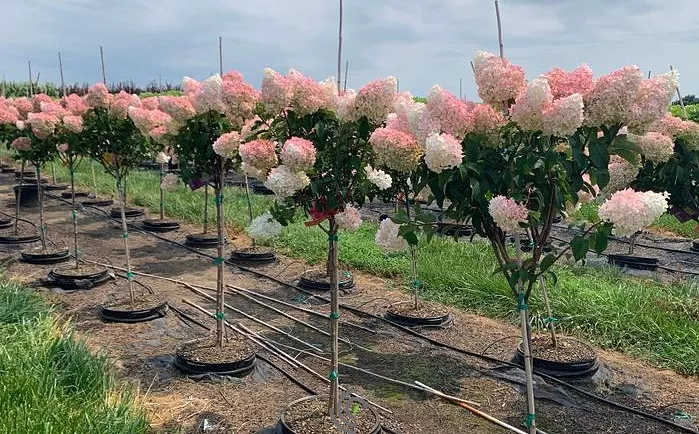
Hydrangea paniculata”Vanilla Strawberry”Tree Form
Original price was: $140.00.$76.96Current price is: $76.96. -
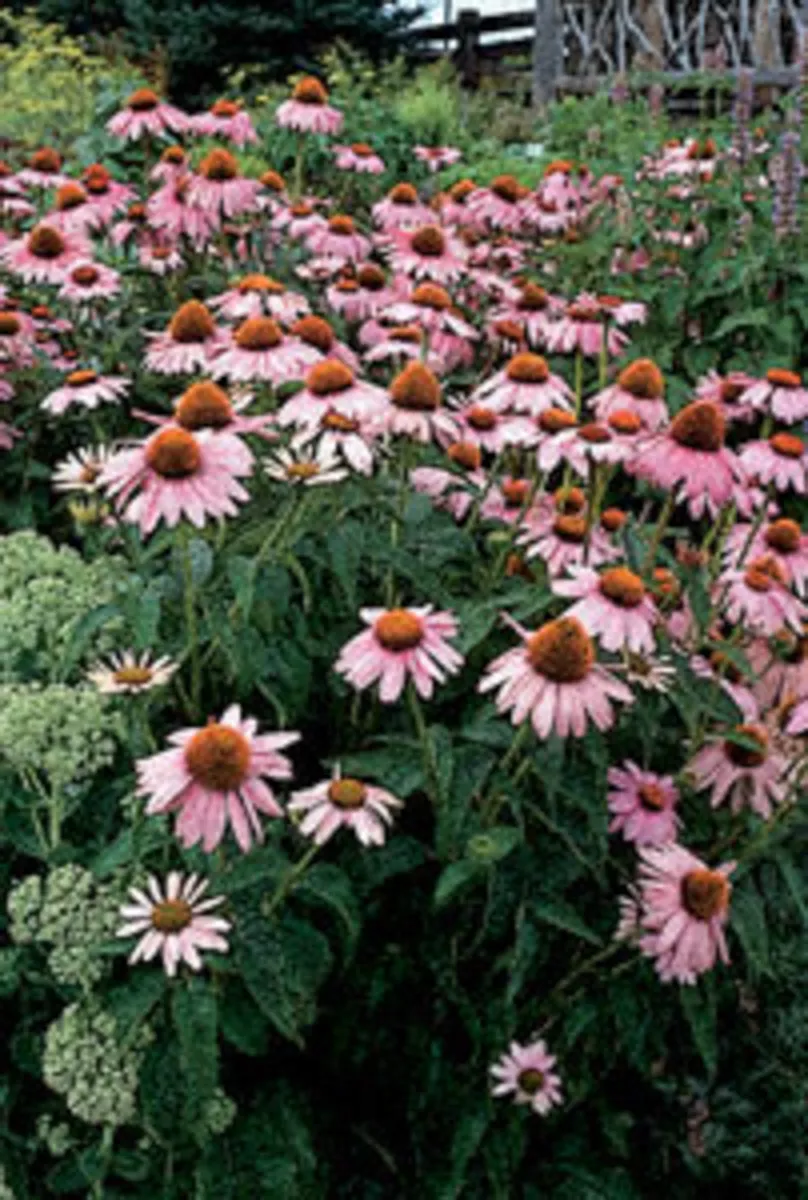
Magnus Superior Purple Coneflower
Original price was: $12.00.$8.06Current price is: $8.06. -
Screened Mushroom Compost (Per Yard)
Original price was: $43.99.$24.41Current price is: $24.41. -
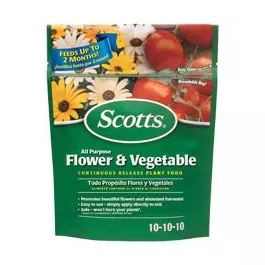
Scotts All Purpose Flower & Vegetable Plant Food 3lb
Original price was: $4.79.$3.45Current price is: $3.45. -
PowWow Wildberry Coneflower
Original price was: $12.00.$6.29Current price is: $6.29. -
Swiss Stone Pine
Original price was: $387.99.$261.11Current price is: $261.11. -
New Jersey Tea
Original price was: $12.00.$8.45Current price is: $8.45. -
DicentraBleeding Heart”Gold Heart”
Original price was: $14.80.$11.05Current price is: $11.05.