Starking Hardy Giant™ Pecan Tree
Original price was: $60.79.$32.04Current price is: $32.04.
Description
Description
A Stark Bro’s Exclusive!
Starking® Hardy Giant™ is a piece of American horticultural history — and a Stark Bro’s exclusive. The story begins in 1938, when Missouri grower George James launched a decade-long search for the perfect central-district pecan. He found this exceptional specimen in 1947, partnered with Stark Bro’s, and secured a formal U.S. Patent in 1955. Renowned as a parent of the famous Pawnee variety and discovered right here in Missouri, it’s uniquely adapted to the unpredictable weather of cooler pecan-growing regions — including withstanding temperatures as low as -20°F.
Large, Buttery Nuts — Early in the Season
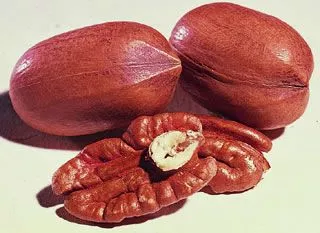
Starking® Hardy Giant™ produces medium-to-large pecans with thin shells and richly flavored, buttery kernels that fill out well. The nuts ripen in late September to early October, making it one of the first pecan varieties ready for harvest each season — a meaningful advantage for growers in shorter-season climates who want to get ahead of fall weather.
The Pecan Parent of Pawnee — With Proven Cold Hardiness
As a parent variety of the widely celebrated Pawnee pecan, Starking® Hardy Giant™ carries a pedigree that speaks for itself. Its Missouri origins make it uniquely suited for the Midwest and other cooler pecan-growing regions where most varieties struggle, and its heat tolerance in summer rounds out a remarkably wide range of adaptability across Zones 5–9.
Why Growers Choose Starking® Hardy Giant™
- A Stark Bro’s exclusive with a U.S. Patent — a true piece of American pecan history
- Parent of the famous Pawnee variety — proven genetics behind one of the country’s most popular pecans
- Cold hardy to -20°F — one of the most cold-tolerant pecan varieties available
- Large, thin-shelled nuts — rich, buttery kernels that fill out well
- Early-ripening — late September harvest, one of the first pecans ready each season
- Missouri-born and Midwest-adapted — discovered locally, proven in challenging central-district climates
Protandrous Type I
Related products
-
Miracle-Gro Water Soluble Rose Food 1.5lb
Original price was: $7.99.$5.01Current price is: $5.01. -
All Seasons Horticultural Spray Oil Concentrate 16oz
Original price was: $9.59.$5.97Current price is: $5.97. -
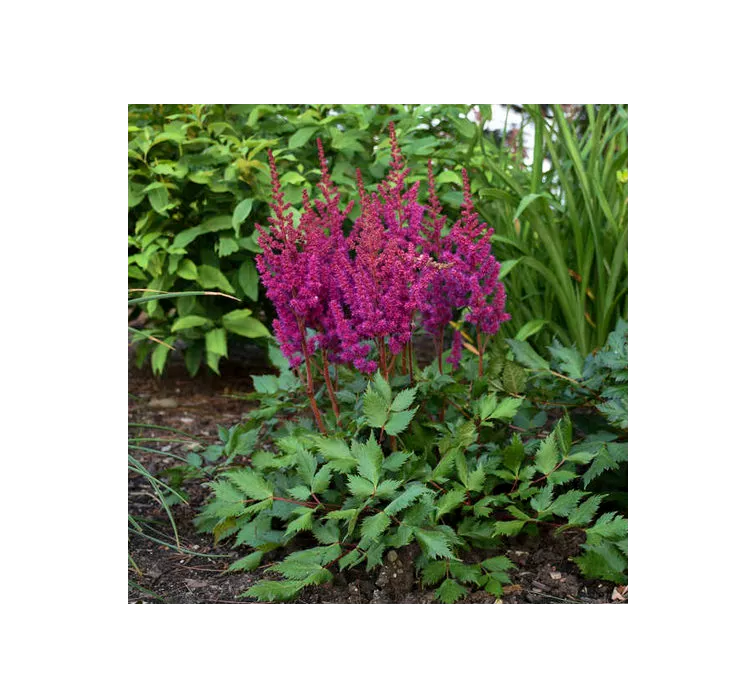
Vision in Red Astilbe
Original price was: $12.00.$6.67Current price is: $6.67. -
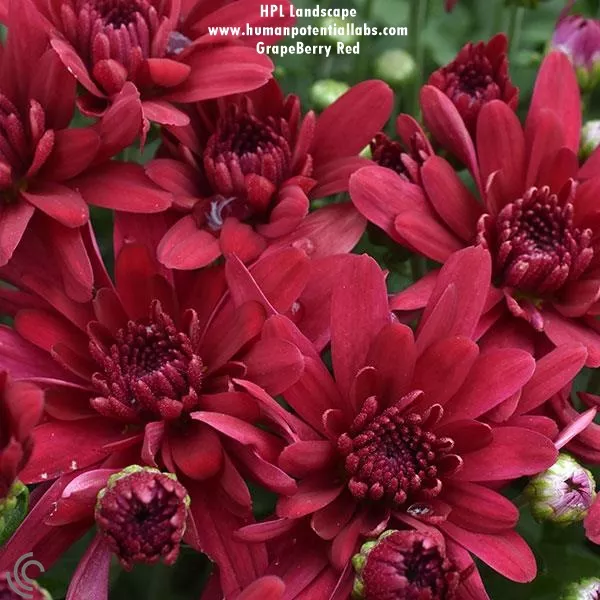
ChrysanthemumsMums “Grapeberry Red”
Original price was: $12.00.$9.03Current price is: $9.03. -
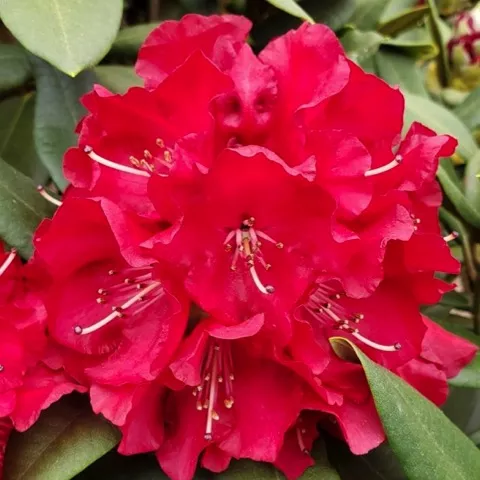
Skookum Rhododendron
Original price was: $80.00.$51.48Current price is: $51.48. -
Miracle-Gro Water Soluble All Purpose Plant Food 4LB
Original price was: $8.00.$5.18Current price is: $5.18. -
Swiss Stone Pine
Original price was: $387.99.$261.11Current price is: $261.11. -
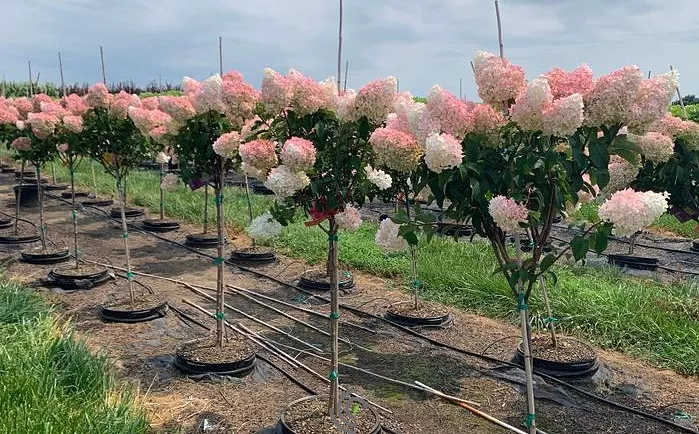
Hydrangea paniculata”Vanilla Strawberry”Tree Form
Original price was: $140.00.$76.96Current price is: $76.96.